 EN
EN


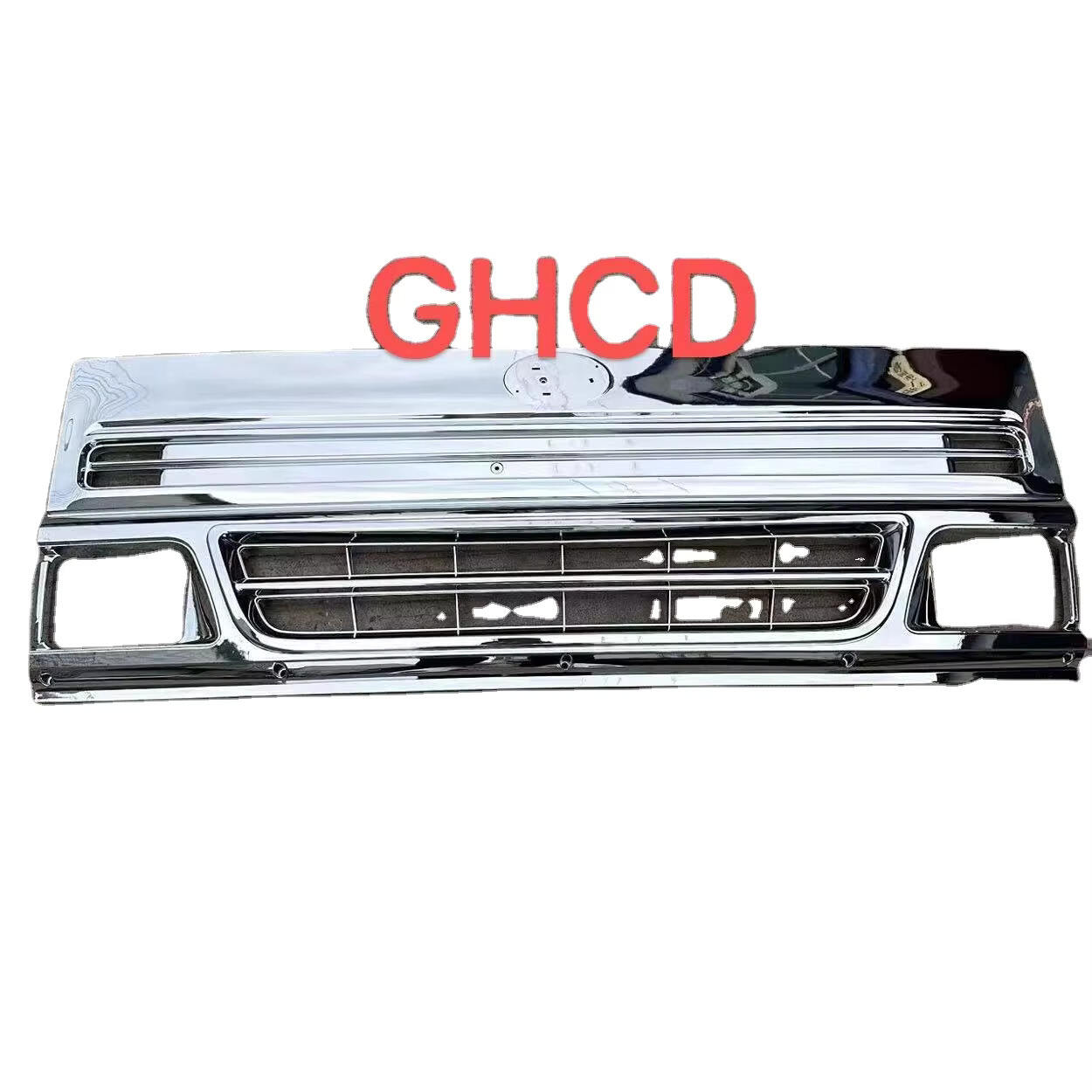
Moderní bezpečnostní normy pro nákladní vozidla vyžadují inovativní inženýrská řešení, která chrání jak řidiče, tak chodce při nárazových událostech. Nárazově pohltivé nárazníky představují klíčový pokrok v oblasti automobilové bezpečnostní technologie a mění tradiční tuhé nárazníkové systémy na sofistikovaná řešení pro řízení nárazu, která účinně rozptylují energii nárazu a zároveň zachovávají strukturální celistvost.
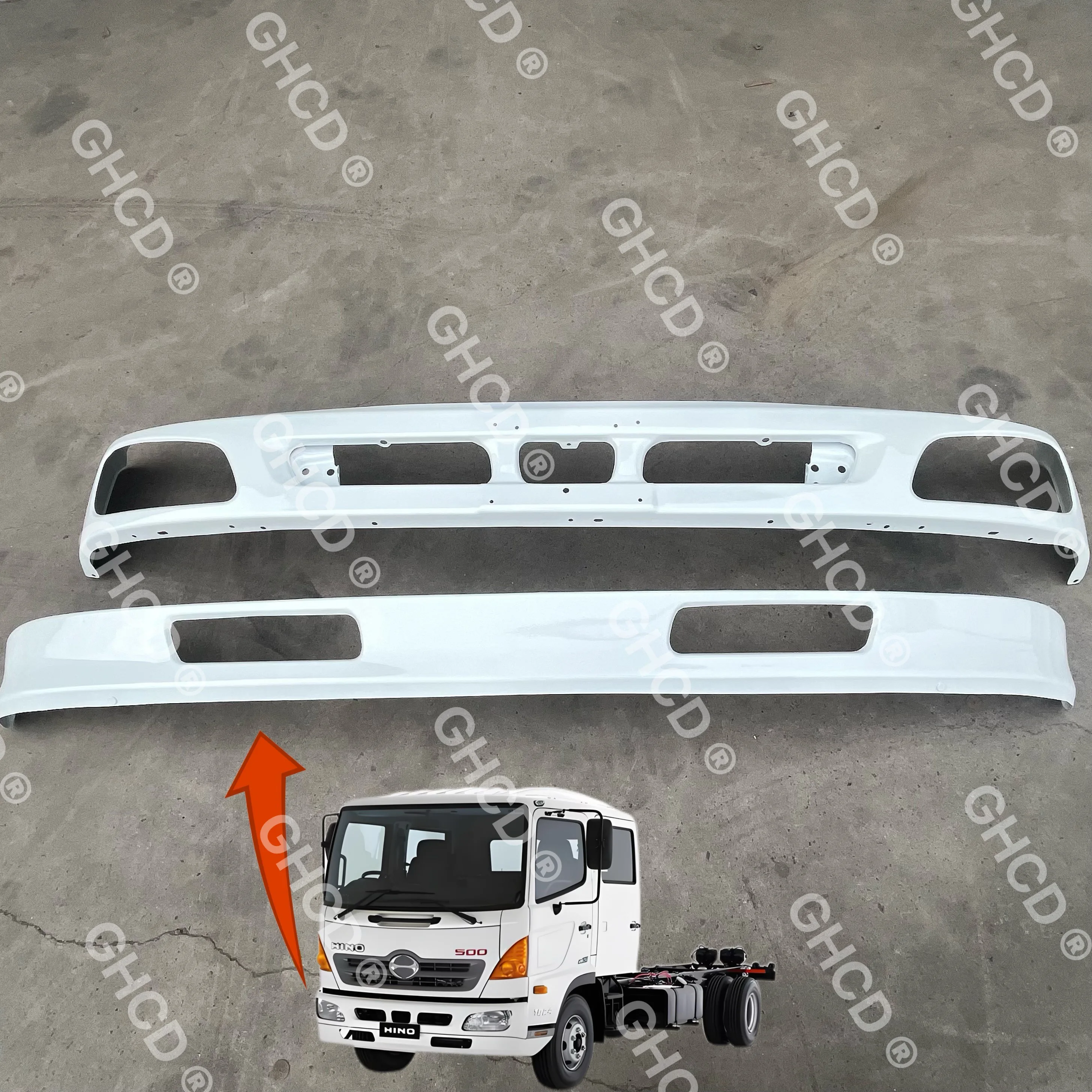
Vývoj od jednoduchých kovových nárazníků k pokročilým nárazově pohltivým nárazníkům odráží závazek průmyslu snižovat závažnost zranění i škody na majetku při srážkách. Tyto systémy zahrnují více deformovatelných zón, postupné drcící konstrukce a strategické umístění materiálů za účelem optimalizace rozptylu energie při současném zachování celistvosti prostoru pro cestující v různých scénářích nárazu.
Inženýrské principy ležící v základu nárazového pohlcování
Mechanismy řízené deformace
Nárazníky s využitím principu pohlcování energie využívají řízené deformace k účinnému zvládání nárazových sil. Hlavním mechanismem je vytvoření předem stanovených míst porušení, která umožňují, aby se konkrétní části nárazníku při nárazu kolabovaly předvídatelným způsobem. Tento řízený proces drcení přeměňuje kinetickou energii na energii deformace, čímž se snižuje síla přenášená na hlavní konstrukci vozidla a na jeho obsaditele.
Moderní nárazníky s využitím principu pohlcování energie zahrnují struktury typu „včelí plást”, jádra z pěny a žebrované kovové části, které poskytují konzistentní odpor během celého procesu deformace. Tyto komponenty jsou strategicky umístěny tak, aby zajistily optimální rozložení zatížení napříč šířkou nárazníku a zabránily vzniku lokálních koncentrací napětí, jež by mohly ohrozit celkový výkon systému.
Inženýrskou výzvou je dosažení rovnováhy mezi schopností pohltit energii a konstrukční odolností pro každodenní použití. Účinné nárazníky s funkcí pohlcování energie musí odolávat běžným provozním zatížením, přičemž jejich ochranné funkce se aktivují pouze při významných nárazových událostech, čímž zajišťují dlouhodobou spolehlivost bez předčasné aktivity.
Výběr materiálu a jeho vlastnosti
Pokročilé materiály hrají klíčovou roli při maximalizaci účinnosti nárazníků s funkcí pohlcování energie. Součásti z vysoce pevné oceli poskytují nezbytný konstrukční základ, zatímco části z hliníkové slitiny nabízejí vynikající poměr pevnosti k hmotnosti pro optimální charakteristiky pohlcování energie. Kombinace materiálů umožňuje inženýrům jemně ladit deformační vlastnosti pro různé rychlosti nárazu.
Polymerové tlumiče energie v moderních náraznících významně přispívají k ochraně při nárazech při nízkých rychlostech a zároveň zachovávají cenovou výhodnost. Tyto materiály vykazují předvídatelné vlastnosti stlačení a lze je přizpůsobit konkrétním automobilovým aplikacím změnou jejich hustoty, buněčné struktury a chemického složení.
Výběr materiálů pro nárazníky s tlumením energie musí brát v úvahu faktory jako teplotní stabilita, stárnutí a odolnost vůči prostředí, aby byl zajištěn konzistentní výkon po celou dobu provozu vozidla. Kompatibilita materiálů je zásadní při integrování více součástí do stejného nárazníkového systému.
Strategie řízení nárazu
Vícestupňové tlumení energie
Složité nárazníky s vysokou schopností pohltit energii využívají vícestupňové strategie tlumení energie, které se aktivují postupně podle závažnosti nárazu. Počáteční kontakt spustí vnější vrstvu pro pohlcení energie, která zvládá nárazy při nízké rychlosti pružnou deformací a s minimálním trvalým poškozením. Tato první fáze chrání před incidenty na parkovištích a drobnými srážkami bez nutnosti výměny součástí.
S rostoucí energií nárazu se v nárazníkových konstrukcích s vysokou schopností pohltit energii aktivují sekundární mechanismy pohlcení energie prostřednictvím postupného drcení středních konstrukčních prvků. Tyto součásti jsou navrženy tak, aby se zhroutily při předem stanovených úrovních síly, čímž zajišťují konzistentní pohlcení energie a zároveň zachovávají ochranu prostoru pro cestující. Postupná aktivace brání náhlým špičkám síly, které by mohly přetížit ostatní bezpečnostní systémy.
Finální fáze absorpce energie u pokročilých nárazníků zahrnuje primární konstrukční prvky, které chrání před vážnými nárazy. Tyto komponenty využívají maximální dostupnou délku deformace k absorpci energie a zároveň zachovávají dostatečnou konstrukční pevnost, aby zabránily proniknutí do prostor obsazených pasažéry vozidla.
Optimalizace dráhy zatížení
Účinné nárazníky s funkcí absorpce energie zahrnují optimalizované směry přenosu zatížení, které rozvádějí síly působící při nárazu současně přes více konstrukčních prvků. Tento přístup brání přetížení jednotlivých komponent a zajišťuje efektivní využití celkové kapacity absorpce energie během celého nárazového děje.
Geometrie nárazníků s funkcí absorpce energie významně ovlivňuje účinnost směrů přenosu zatížení. Strategické umístění vyztužujících žeber, iniciátorů deformace a komor pro absorpci energie vytváří předvídatelné vzory deformace, které maximalizují rozptýlení energie a zároveň zachovávají konstrukční spojitost napříč šířkou nárazníku.
Integrace s hlavní konstrukcí vozidla vyžaduje pečlivé zvážení spojitosti dráhy přenosu zatížení mimo sestavu nárazníku. Moderní nárazníky s tlumením energie zahrnují upevňovací systémy, které usnadňují řízený přenos energie do rámu vozidla a zároveň brání poškození kritických systémů vozidla během nárazových událostí.
Techniky optimalizace návrhu
Výpočetní analytické metody
Současný vývoj nárazníků s tlumením energie je značně založen na pokročilých výpočetních analytických technikách, které simulují nárazové scénáře s vysokou přesností. Metoda konečných prvků umožňuje inženýrům vyhodnotit vzory deformací, rozložení napětí a charakteristiky pohlcování energie v rámci více návrhových iterací, aniž by bylo nutné pro počáteční fáze testování vyrábět fyzické prototypy.
Parametrické optimalizační nástroje umožňují systematickou prohlídku návrhových proměnných u nárazníků s tlumením energie, včetně tloušťky materiálu, geometrických konfigurací a uspořádání komponent. Tyto výpočetní přístupy identifikují optimální návrhová řešení, která maximalizují bezpečnostní výkon při současném splnění výrobních omezení a cenových cílů.
Validace výpočetních modelů vyžaduje korelaci s daty fyzických zkoušek, aby byla zajištěna přesnost za různých podmínek nárazu. Iterativní zdokonalování analytických metod stále zvyšuje prediktivní schopnost pro návrhy nárazníků s tlumením energie, čímž se zkracuje doba vývoje a zlepšuje výkon konečného produktu.
Protokoly o ověřování výkonu
Komplexní testovací protokoly ověřují výkon nárazově pohltivých nárazníkových konstrukcí v rámci standardizovaných nárazových scénářů, které simulují podmínky kolizí v reálném provozu. Testy nárazu při nízké rychlosti posuzují výkon nárazníků při parkovacích incidentech a mírných kolizích, zatímco testy při vysoké rychlosti hodnotí ochrannou schopnost při závažnějších nárazových událostech.
Testování nárazu s posunutým středem posuzuje výkon nárazově pohltivých nárazníkových konstrukcí v případě, že síly nárazu nejsou po šířce nárazníku rozloženy symetricky. Tyto testovací podmínky odhalují potenciální slabiny v návrhu silové dráhy a ověřují, zda mechanizmy pohlcování energie fungují účinně i za podmínek asymetrického zatížení.
Testy trvanlivosti zajistí, že nárazníky s funkcí tlumení energie zachovávají své ochranné vlastnosti po celou dobu běžného provozu vozidla. Testy expozice prostředí ověřují stabilitu materiálů za extrémních teplotních podmínek, kolísání vlhkosti a expozice chemikáliím, kterým jsou vozidla během typické životnosti vystavena.
Integrace s bezpečnostními systémy vozidla
Kompatibilita s aktivními bezpečnostními funkcemi
Současné nárazníky s funkcí tlumení energie musí umožňovat integraci s aktivními bezpečnostními systémy, včetně radarových senzorů, kamer a zařízení pro detekci blízkosti. Umístění a konstrukce prvků tlumení energie vyžadují pečlivou koordinaci, aby nedocházelo k rušení činnosti senzorů a zároveň byly zachovány optimální vlastnosti ochrany před nárazy.
Montážní možnosti senzorů v nárazníkových konstrukcích s tlumením energie představují zvláštní inženýrské výzvy, neboť tyto komponenty musí po mírných nárazech zůstat funkční a zároveň být chráněny při vážnějších kolizích. Modulární návrhové přístupy umožňují výměnu senzorů bez nutnosti úplné výměny celého nárazníku po nárazových událostech.
Elektromagnetické vlastnosti materiálů použitých v nárazníkových konstrukcích s tlumením energie mohou ovlivnit výkon senzorů, což vyžaduje pečlivý výběr materiálů a geometrickou optimalizaci za účelem zachování funkčnosti senzorů za všech provozních podmínek a současně udržení účinnosti tlumení energie.
Koordinace se systémy ochrany řidiče a cestujících
Účinné nárazníkové konstrukce s tlumením energie jsou koordinovány se systémy ochrany řidiče a cestujících, aby poskytovaly komplexní ochranu obsazení vozidla během kolizních událostí. Časování a velikost tlumení energie musí být sladěny s časováním nasazení airbagů, aby byla zajištěna optimální účinnost ochrany po celou dobu nárazového cyklu.
Komunikace mezi nárazovými senzory umístěnými na nárazníku a bezpečnostními řídicími systémy vozidla umožňuje reálné posouzení závažnosti srážky, čímž se systémy ochrany mohou přizpůsobit charakteristiky nasazení na základě skutečných podmínek nárazu zjištěných díky nárazníkům s vlastnostmi pohlcování energie.
Při integraci je třeba zohlednit upevňovací prvky pro akcelerometry a sílové senzory v konstrukci nárazníku, které vydrží běžné provozní namáhání a zároveň poskytnou přesnou schopnost detekce nárazu po celou dobu předpokládané životnosti nárazníků s vlastnostmi pohlcování energie.
Často kladené otázky
Co činí nárazníky s vlastnostmi pohlcování energie účinnějšími než tradiční tuhé nárazníky?
Nárazníky s využitím energie nárazu se vyznačují výrazně lepšími vlastnostmi než tradiční tuhé nárazníky, protože využívají řízených deformacních mechanismů, které rozptylují energii nárazu postupným drcením namísto přenosu maximální síly přímo na konstrukci vozidla. Tento přístup snižuje špičkové nárazové síly, minimalizuje riziko zranění a poskytuje lepší ochranu v širším rozsahu rychlostí kolize, aniž by byla ohrožena strukturální integrita vozidla během běžného provozu.
Jak nárazníky s využitím energie nárazu udržují odolnost při zároveň poskytování ochrany před nárazy?
Moderní nárazníky s vysokou schopností pohltit energii dosahují trvanlivosti strategickým výběrem materiálů a geometrickou optimalizací, která odděluje běžné provozní zatížení od funkcí ochrany před nárazy. Tyto návrhy zahrnují pevné vnější konstrukce pro každodenní použití, zatímco komponenty pro pohlcování energie jsou umístěny tak, aby se aktivovaly pouze při významných nárazových událostech, čímž je zajištěna dlouhodobá spolehlivost bez kompromisu s ochranným výkonem v případě potřeby.
Lze nárazníky s vysokou schopností pohltit energii opravit po drobných nárazech?
Opravitelnost nárazníků s funkcí pohlcování energie závisí na závažnosti nárazu a konkrétní poloze poškození. Lehčí estetické poškození vnějších povrchů lze často opravit pomocí běžných metod, zatímco nárazy, které aktivují mechanismy pohlcování energie, obvykle vyžadují výměnu komponentu, aby byla obnovena plná ochranná funkce. Modulární přístupy k návrhu moderních systémů umožňují výměnu jednotlivých prvků pohlcování energie bez nutnosti výměny celého nárazníkového sestavení.
Ovlivňují nárazníky s funkcí pohlcování energie spotřebu paliva vozidla?
Dobře navržené nárazníky s funkcí pohlcování energie mohou ve srovnání s tradičními těžkými ocelovými nárazníky skutečně zlepšit spotřebu paliva díky optimalizovanému využití materiálů a aerodynamické integraci. Pokročilé materiály a strukturální optimalizace snižují celkovou hmotnost nárazníku, aniž by se zhoršila nebo snížila jeho ochranná účinnost, což přispívá ke zlepšení palivové účinnosti vozidla bez kompromisu s bezpečnostní účinností.
Obsah
- Inženýrské principy ležící v základu nárazového pohlcování
- Strategie řízení nárazu
- Techniky optimalizace návrhu
- Integrace s bezpečnostními systémy vozidla
-
Často kladené otázky
- Co činí nárazníky s vlastnostmi pohlcování energie účinnějšími než tradiční tuhé nárazníky?
- Jak nárazníky s využitím energie nárazu udržují odolnost při zároveň poskytování ochrany před nárazy?
- Lze nárazníky s vysokou schopností pohltit energii opravit po drobných nárazech?
- Ovlivňují nárazníky s funkcí pohlcování energie spotřebu paliva vozidla?