 EN
EN


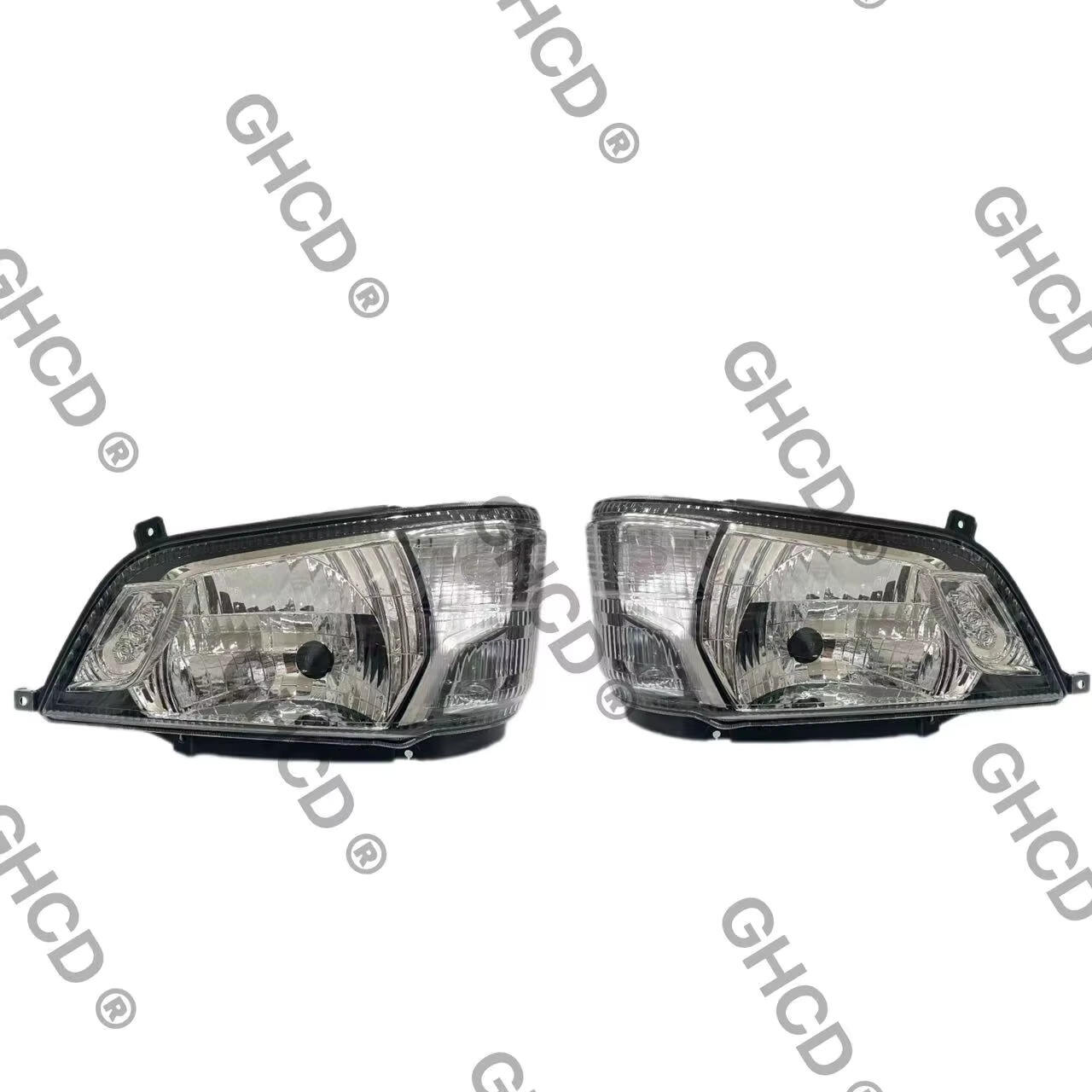
Commercial fleet operators continuously seek strategies to minimize operational expenses while maintaining safety standards. One often-overlooked component that significantly impacts both maintenance costs and operational efficiency is the headlight system. Modern LED headlight technology offers compelling advantages over traditional halogen systems, potentially transforming fleet maintenance schedules and reducing long-term operational expenses. Understanding how upgraded lighting solutions can affect your bottom line requires examining multiple factors including replacement frequency, energy consumption, and safety-related cost implications.

Understanding Traditional Headlight Maintenance Challenges
Frequent Replacement Cycles
Traditional halogen headlight systems present significant maintenance challenges for commercial fleets. These conventional lighting solutions typically require replacement every 500 to 1,000 hours of operation, translating to frequent service intervals for vehicles operating extended hours. Fleet managers must schedule regular inspections and replacements, consuming valuable technician time and increasing administrative overhead. The labor costs associated with frequent headlight replacements can accumulate substantially across large fleet operations.
Each replacement cycle involves not only the cost of the headlight bulb itself but also associated labor expenses, vehicle downtime, and inventory management requirements. Fleet operators must maintain adequate stock levels of replacement bulbs, monitor expiration dates, and coordinate replacement schedules across multiple vehicle types. This complexity multiplies exponentially as fleet sizes increase, creating administrative burdens that extend far beyond simple component replacement.
Energy Consumption Impact
Traditional halogen headlight systems consume significantly more electrical power than modern alternatives, placing additional strain on vehicle electrical systems and reducing fuel efficiency. Higher power consumption requires alternators to work harder, potentially reducing their operational lifespan and increasing maintenance requirements. The cumulative effect of inefficient lighting systems can result in measurable increases in fuel consumption, particularly for vehicles operating during extended nighttime hours or in challenging visibility conditions.
The electrical load imposed by conventional lighting systems also affects battery performance and longevity. Fleet vehicles equipped with energy-intensive headlight systems may experience more frequent battery failures, requiring additional maintenance interventions and potentially causing unexpected breakdowns. These secondary effects of inefficient lighting technology create cascading maintenance costs that extend throughout the vehicle's electrical system.
LED Headlight Technology Advantages
Extended Service Life Benefits
Modern LED headlight technology delivers substantially longer operational lifespans compared to traditional alternatives. Quality LED systems can operate for 25,000 to 50,000 hours before requiring replacement, representing a dramatic improvement over conventional options. This extended service life translates directly to reduced maintenance frequency, lower labor costs, and decreased administrative burden for fleet operators managing multiple vehicles across diverse operational environments.
The durability advantages of LED technology extend beyond simple longevity metrics. These systems demonstrate superior resistance to vibration, temperature fluctuations, and environmental stresses commonly encountered in commercial vehicle operations. Reduced sensitivity to operating conditions means fewer unexpected failures and more predictable maintenance scheduling, allowing fleet managers to optimize service intervals and reduce emergency repair situations.
Energy Efficiency Improvements
LED headlight systems consume approximately 50-70% less electrical power than comparable halogen alternatives while delivering superior illumination performance. This dramatic reduction in energy consumption provides multiple benefits including reduced alternator load, improved fuel efficiency, and extended battery life. The cumulative effect of these improvements can result in measurable reductions in overall vehicle operating costs, particularly for fleets operating in challenging conditions requiring extended lighting usage.
Lower power consumption also enables fleet operators to consider additional lighting modifications or accessories without exceeding electrical system capacity. The efficiency gains from upgraded headlight technology create operational flexibility while simultaneously reducing maintenance requirements and energy costs throughout the vehicle's service life.
Cost Analysis and Return on Investment
Initial Investment Considerations
While LED headlight systems typically require higher initial investment compared to traditional alternatives, comprehensive cost analysis reveals compelling long-term advantages. The upfront premium for quality LED technology is generally offset within 12-24 months through reduced replacement frequency, lower labor costs, and decreased energy consumption. Fleet operators must evaluate total cost of ownership rather than focusing solely on initial purchase prices to make informed investment decisions.
The financial analysis becomes more favorable as fleet size increases, as economies of scale amplify the benefits of reduced maintenance frequency and improved reliability. Large fleet operators can negotiate volume pricing for LED headlight systems while simultaneously reducing the administrative complexity associated with managing multiple replacement cycles across diverse vehicle types and operational schedules.
Long-term Operational Savings
Extended service intervals provided by LED headlight technology translate to substantial reductions in maintenance labor costs over the system's operational lifetime. Technicians can focus on other critical maintenance tasks rather than performing routine headlight replacements, improving overall shop efficiency and productivity. The reduced frequency of lighting-related service appointments also minimizes vehicle downtime, allowing for improved fleet utilization and operational efficiency.
Energy efficiency improvements contribute additional operational savings through reduced fuel consumption and decreased electrical system stress. These secondary benefits compound over time, particularly for high-mileage commercial vehicles operating in demanding conditions. The cumulative effect of improved efficiency and reduced maintenance requirements can result in significant cost reductions across the entire fleet operation.
Safety and Liability Considerations
Enhanced Visibility Performance
Superior illumination provided by modern LED headlight systems contributes to improved driver safety and reduced accident risk. Enhanced visibility enables drivers to identify potential hazards earlier, respond more effectively to changing road conditions, and maintain better situational awareness during low-light operations. These safety improvements can translate to reduced insurance premiums, fewer accident-related costs, and improved driver confidence and performance.
The reliability advantages of LED technology also contribute to safety by reducing the likelihood of unexpected headlight failures during critical operations. Consistent performance throughout the system's operational life means drivers can depend on adequate illumination without concerns about gradual degradation or sudden component failure that might compromise safety or operational effectiveness.
Regulatory Compliance Benefits
Modern LED headlight systems often exceed regulatory requirements for commercial vehicle lighting, providing additional safety margins and reducing compliance-related concerns. Consistent light output and extended service life minimize the risk of vehicles falling below required illumination standards between scheduled maintenance intervals. This reliability can reduce the frequency of safety inspections and associated administrative burden while ensuring consistent regulatory compliance.
The improved performance characteristics of LED technology also provide fleet operators with greater flexibility in operational scheduling and route planning. Reliable headlight performance enables extended operating hours and operations in challenging visibility conditions while maintaining safety standards and regulatory compliance requirements.
Implementation Strategy for Fleet Operators
Phased Upgrade Approach
Fleet operators can implement LED headlight upgrades through strategic phased approaches that minimize initial capital requirements while maximizing operational benefits. Prioritizing high-mileage vehicles or those operating primarily during nighttime hours can provide immediate returns on investment while allowing gradual fleet-wide implementation. This approach enables operators to evaluate performance benefits and refine implementation strategies before committing to comprehensive upgrades.
Coordinating headlight upgrades with routine maintenance schedules can further optimize implementation costs and minimize operational disruption. Replacing conventional systems as they reach end of service life provides natural opportunities for LED upgrades without premature disposal of functional components. This strategy maximizes the value of existing investments while positioning the fleet for improved long-term performance.
Vendor Selection and Quality Considerations
Selecting appropriate LED headlight suppliers requires careful evaluation of product quality, warranty terms, and technical support capabilities. Fleet operators should prioritize suppliers offering comprehensive warranties, proven track records in commercial applications, and robust technical support infrastructure. Quality components from reputable manufacturers provide better long-term value despite potentially higher initial costs compared to budget alternatives.
Establishing relationships with suppliers who understand commercial fleet requirements and can provide ongoing technical support ensures optimal implementation and long-term satisfaction. Vendors offering training programs for maintenance technicians and comprehensive documentation can significantly improve implementation success and maximize the benefits of upgraded headlight technology.
FAQ
How long do LED headlights typically last in commercial vehicle applications
Quality LED headlight systems in commercial vehicles typically operate for 25,000 to 50,000 hours before requiring replacement. This represents approximately 5-10 times longer than traditional halogen alternatives, significantly reducing replacement frequency and associated maintenance costs. The actual service life depends on operating conditions, quality of installation, and specific product specifications from the manufacturer.
What is the typical payback period for LED headlight upgrades in commercial fleets
Most fleet operators experience payback periods of 12-24 months for LED headlight upgrades, depending on vehicle utilization patterns and existing maintenance costs. High-mileage vehicles operating extended hours typically achieve faster payback through reduced replacement frequency and energy savings. The return on investment becomes more favorable as fleet size increases due to economies of scale and reduced administrative complexity.
Do LED headlights require special installation procedures or training
While LED headlight installation is generally straightforward, proper installation techniques and quality components are essential for optimal performance and longevity. Many systems are designed as direct replacements for existing halogen units, requiring minimal modification. However, technician training on proper installation procedures and electrical connections can help ensure maximum service life and performance benefits.
Can LED headlight upgrades affect vehicle warranty coverage
LED headlight upgrades typically do not affect vehicle warranty coverage when installed properly using quality components. However, fleet operators should verify compatibility with vehicle manufacturers and ensure installations comply with relevant regulations and standards. Working with reputable suppliers and certified installation technicians helps minimize potential warranty concerns while maximizing upgrade benefits.