 EN
EN


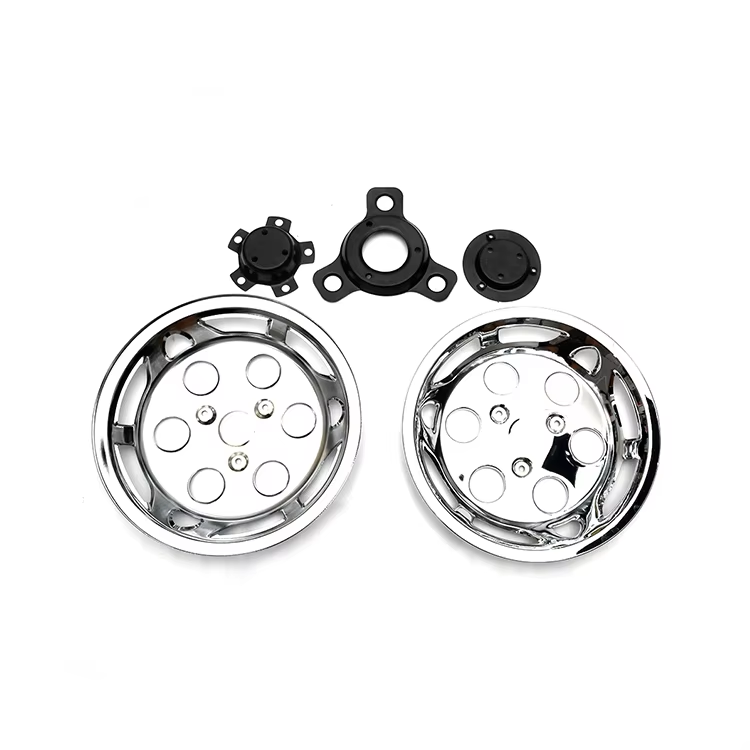
Sourcing Chrome Wheel Cover in Bulk is a significant procurement decision that affects both the visual appeal and the long-term operational value of a commercial vehicle fleet. Whether you manage a trucking company, run an aftermarket parts distribution business, or supply accessories to fleet operators, buying chrome wheel covers in large quantities requires careful evaluation of multiple factors before committing to an order. The stakes are higher in bulk purchasing because errors in specification, quality, or supplier reliability are multiplied across every unit in the shipment.
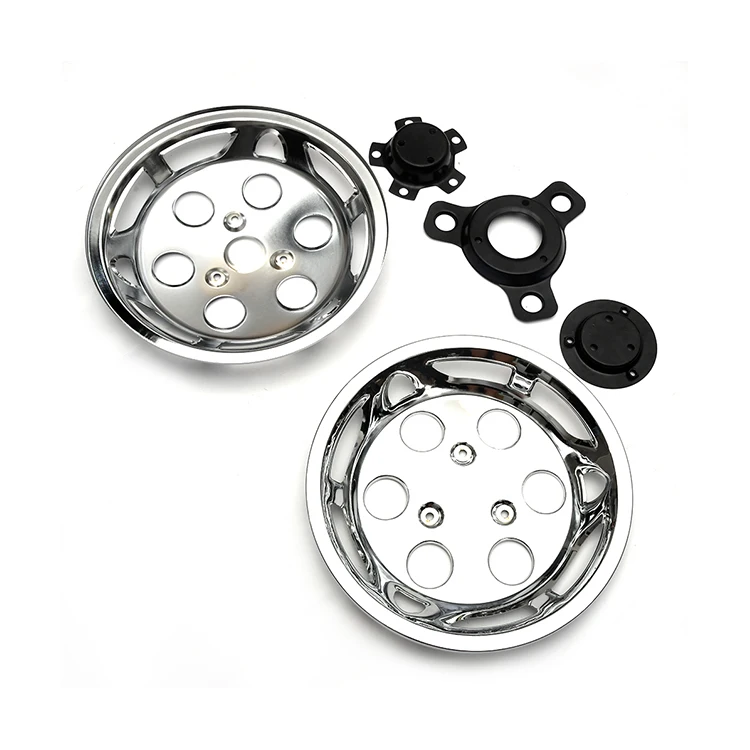
Understanding what to look for when purchasing Chrome Wheel Cover in Bulk helps buyers avoid costly mistakes such as fitment mismatches, premature corrosion, or supplier delays that disrupt fleet maintenance schedules. This guide walks through the most critical considerations — from material quality and compatibility to supplier vetting and logistics planning — so that your bulk procurement delivers consistent value across every unit purchased.
Understanding Fitment and Compatibility Requirements
Matching Wheel Size and Bolt Pattern
The most fundamental consideration when ordering Chrome Wheel Cover in Bulk is ensuring that the covers are compatible with the specific wheel sizes used across your fleet. Commercial trucks commonly use 22.5-inch and 24.5-inch wheels, and the covers must be designed to fit those dimensions precisely. A mismatch in size leads to loose fitment, vibration during transit, and potential road hazards that create liability for fleet operators.
Beyond diameter, the bolt pattern and hub configuration must also align with the wheel design. Some chrome wheel covers use a clip-on or snap-on retention system, while others rely on bolt-through mounting. Before placing a bulk order, confirm the exact mounting mechanism required for your wheel type and verify that the supplier's product specifications match those requirements in detail.
Requesting physical samples before committing to a full bulk order is a standard practice in professional procurement. A sample allows your maintenance team to test fitment on actual fleet vehicles, check retention strength, and identify any clearance issues with brake components or valve stems. This step prevents expensive returns or rework on large shipments.
Compatibility Across Mixed Fleet Configurations
Many fleet operators run vehicles from multiple manufacturers or model years, which means wheel specifications may vary across the fleet. When purchasing Chrome Wheel Cover in Bulk for a mixed fleet, it is important to audit the wheel configurations across all vehicle types before finalizing specifications. Ordering a single SKU that does not fit all vehicles creates inventory fragmentation and increases waste.
Some suppliers offer chrome wheel covers in multiple size variants that can be ordered together in a combined bulk shipment. This approach allows buyers to consolidate procurement while still meeting the fitment needs of a diverse fleet. Confirm with the supplier whether mixed-size bulk orders are supported and whether pricing tiers apply per SKU or across the total order volume.
Evaluating Material Quality and Chrome Finish Durability
Base Material Construction
The durability of Chrome Wheel Cover in Bulk depends heavily on the base material used in construction. High-quality chrome wheel covers are typically manufactured from ABS plastic or stainless steel substrates before the chrome plating or chrome-effect coating is applied. ABS plastic offers a lightweight solution with good impact resistance, while stainless steel provides superior structural rigidity and resistance to deformation under road stress.
For heavy-duty commercial applications, the thickness and grade of the base material matter significantly. Thin or low-grade substrates may crack under the vibration and thermal cycling experienced by long-haul trucks. When evaluating suppliers, request material specification sheets and ask about the thickness tolerances maintained during production. This information helps you assess whether the product is engineered for commercial durability or designed primarily for cosmetic appeal in lighter applications.
UV resistance is another material property worth examining, particularly for fleets operating in high-sunlight regions. Chrome finishes that lack UV-stabilized coatings can yellow, peel, or develop surface oxidation within months of installation. Confirm whether the product has been tested for UV exposure and what the expected finish lifespan is under normal operating conditions.
Chrome Plating Process and Finish Quality
Not all chrome finishes are created equal. When sourcing Chrome Wheel Cover in Bulk, it is important to distinguish between electroplated chrome, vacuum-metallized chrome, and chrome-effect paint finishes. Electroplated chrome offers the highest durability and the most authentic mirror-like appearance, but it is also the most expensive process. Vacuum metallization provides a bright finish at lower cost but may be less resistant to abrasion and chemical exposure.
Ask suppliers to provide salt spray test results or corrosion resistance certifications for their chrome wheel covers. Salt spray testing, typically measured in hours of exposure before visible corrosion appears, gives a standardized basis for comparing finish quality across different products. A product rated for 500 hours or more of salt spray resistance is generally considered suitable for commercial road use in varied weather conditions.
Visual inspection of samples under different lighting conditions can also reveal finish inconsistencies such as pinholes, orange peel texture, or uneven reflectivity. These defects, while sometimes subtle in a single unit, become very visible when chrome wheel covers are installed across an entire fleet and viewed side by side.
Assessing Supplier Reliability and Production Capacity
Supplier Qualification and Track Record
Choosing the right supplier is as important as choosing the right product when purchasing Chrome Wheel Cover in Bulk. A supplier's production capacity, quality control systems, and delivery reliability directly affect your ability to maintain fleet maintenance schedules and inventory levels. Before placing a large order, conduct a thorough supplier qualification process that includes reviewing certifications, requesting references from existing customers, and if possible, conducting a factory audit.
ISO 9001 certification is a baseline indicator of a supplier's commitment to quality management systems. While certification alone does not guarantee product quality, it signals that the supplier has documented processes for production control, inspection, and corrective action. Suppliers who can provide third-party inspection reports or quality control documentation for their Chrome Wheel Cover in Bulk orders demonstrate a higher level of operational maturity.
Lead time consistency is another critical factor. Ask suppliers about their standard production lead times for bulk orders and how they handle peak demand periods. A supplier who regularly misses delivery windows creates downstream problems for fleet operators who depend on scheduled maintenance cycles. Request historical on-time delivery data or ask for references who can speak to the supplier's reliability under real order conditions.
Minimum Order Quantities and Pricing Structure
Understanding the pricing structure for Chrome Wheel Cover in Bulk orders requires clarity on minimum order quantities, volume discount tiers, and any additional charges for customization or special packaging. Most suppliers set minimum order quantities that reflect their production batch sizes, and ordering below those thresholds typically results in higher per-unit costs or outright refusal to process the order.
Volume discount tiers reward buyers who commit to larger quantities, but it is important to balance cost savings against inventory carrying costs and storage capacity. Ordering more units than you can realistically use within a reasonable timeframe ties up working capital and increases the risk of inventory obsolescence if vehicle specifications change. A well-structured bulk purchasing agreement should include provisions for phased delivery or blanket orders that allow you to lock in pricing while taking delivery in manageable increments.
Transparency in pricing is also a signal of supplier trustworthiness. Suppliers who provide detailed cost breakdowns — including material costs, plating costs, packaging, and freight — are easier to negotiate with and less likely to introduce unexpected charges after the order is placed. When evaluating multiple suppliers for Chrome Wheel Cover in Bulk procurement, compare total landed cost rather than unit price alone.
Packaging, Logistics, and Quality Inspection Planning
Protective Packaging for Bulk Shipments
Chrome finishes are susceptible to scratching and surface damage during transit, making packaging quality a critical consideration when ordering Chrome Wheel Cover in Bulk. Each unit should be individually wrapped or sleeved in protective material before being packed into cartons. Cartons should be designed to prevent movement and contact between units during shipping, as even minor abrasion can create visible scratches on a mirror-finish surface.
For ocean freight shipments, moisture protection is equally important. Chrome wheel covers packed in containers without adequate desiccant or moisture barriers can develop surface oxidation or adhesion failures during long transit periods, particularly in humid shipping routes. Confirm with the supplier what moisture protection measures are included in the standard packaging and whether additional protection can be specified for sensitive shipments.
Pallet configuration and carton stacking strength also affect the condition of goods upon arrival. Cartons that are not rated for the stacking loads experienced in container shipping may collapse, causing damage to the chrome wheel covers inside. Request carton compression test data or ask the supplier to demonstrate how their packaging performs under standard shipping conditions.
Pre-Shipment Inspection and Quality Acceptance Criteria
Establishing clear quality acceptance criteria before production begins is essential for any Chrome Wheel Cover in Bulk procurement. Define acceptable defect rates, surface finish standards, dimensional tolerances, and functional performance requirements in writing as part of the purchase agreement. This documentation gives both parties a shared reference point for evaluating product quality and resolving disputes.
Pre-shipment inspection by a third-party quality control firm is a widely used practice in bulk industrial procurement. An independent inspector visits the supplier's facility before shipment, conducts random sampling according to an agreed inspection level, and verifies that the goods meet the specified acceptance criteria. This step catches quality issues before goods leave the factory, when corrective action is still practical and cost-effective.
For repeat orders of Chrome Wheel Cover in Bulk, maintaining a reference sample set at your facility allows incoming shipments to be compared against a known-good standard. This practice helps detect gradual quality drift that might not be obvious from inspection reports alone and provides clear evidence if a supplier dispute arises over product conformance.
Regulatory Compliance and Application Suitability
Road Safety and Regulatory Considerations
Commercial vehicle accessories including chrome wheel covers may be subject to road safety regulations in certain markets. Before purchasing Chrome Wheel Cover in Bulk for fleet deployment, verify that the product complies with applicable vehicle modification regulations in the jurisdictions where your fleet operates. Some regulations specify requirements for wheel cover retention strength, reflectivity, or clearance from braking components.
Suppliers who manufacture chrome wheel covers for commercial truck applications should be familiar with the relevant standards and able to provide compliance documentation upon request. If a supplier cannot provide any regulatory compliance information, that is a signal to investigate further before committing to a large order. Non-compliant accessories can create liability exposure and may require costly removal and replacement if flagged during vehicle inspections.
Application Environment and Operational Conditions
The operating environment of your fleet should inform the product specifications you require when sourcing Chrome Wheel Cover in Bulk. Fleets operating in regions with heavy road salt use during winter months need chrome wheel covers with enhanced corrosion resistance. Fleets operating in high-temperature environments or on unpaved roads face different stress conditions that may require reinforced retention systems or more impact-resistant base materials.
Communicating your operational context clearly to potential suppliers allows them to recommend the most suitable product variants from their range. A supplier who asks detailed questions about your application environment and fleet conditions is demonstrating the kind of technical engagement that supports a successful long-term supply relationship. Suppliers who offer a one-size-fits-all answer without asking about your specific conditions may not have the product depth or technical knowledge to support complex fleet requirements.
FAQ
What is the typical minimum order quantity for Chrome Wheel Cover in Bulk purchases?
Minimum order quantities vary by supplier and product type, but most manufacturers of chrome wheel covers for commercial trucks set minimums in the range of 50 to 200 units per SKU. Some suppliers offer lower minimums for first-time trial orders, with standard bulk pricing applying to repeat orders above a defined threshold. Always confirm the minimum order quantity and associated pricing tiers before beginning supplier negotiations.
How can I verify the chrome finish quality before placing a large bulk order?
The most reliable approach is to request physical samples before committing to a full bulk order. Evaluate samples for surface uniformity, reflectivity, adhesion strength, and resistance to scratching. Ask the supplier for salt spray test results or corrosion resistance certifications. If the order value justifies it, consider engaging a third-party laboratory to conduct independent material and finish testing on the samples provided.
What packaging standards should I require when ordering Chrome Wheel Cover in Bulk for international shipment?
Each unit should be individually wrapped in protective film or foam sleeve, packed in double-wall corrugated cartons with adequate cushioning, and palletized with stretch wrap for container loading. For ocean freight, specify that desiccant packets be included in each carton or master carton to control moisture during transit. Request carton compression test data to confirm that the packaging can withstand standard container stacking loads without collapsing.
Are chrome wheel covers for commercial trucks subject to any regulatory requirements?
Regulatory requirements vary by country and jurisdiction. In some markets, commercial vehicle accessories must meet specific standards related to retention strength, clearance from safety-critical components, or reflectivity. Before deploying chrome wheel covers across a fleet, consult the applicable vehicle modification regulations in each operating jurisdiction and request compliance documentation from your supplier. This step protects your business from liability and ensures that vehicles pass roadworthiness inspections without issue.
Table of Contents
- Understanding Fitment and Compatibility Requirements
- Evaluating Material Quality and Chrome Finish Durability
- Assessing Supplier Reliability and Production Capacity
- Packaging, Logistics, and Quality Inspection Planning
- Regulatory Compliance and Application Suitability
-
FAQ
- What is the typical minimum order quantity for Chrome Wheel Cover in Bulk purchases?
- How can I verify the chrome finish quality before placing a large bulk order?
- What packaging standards should I require when ordering Chrome Wheel Cover in Bulk for international shipment?
- Are chrome wheel covers for commercial trucks subject to any regulatory requirements?