 EN
EN


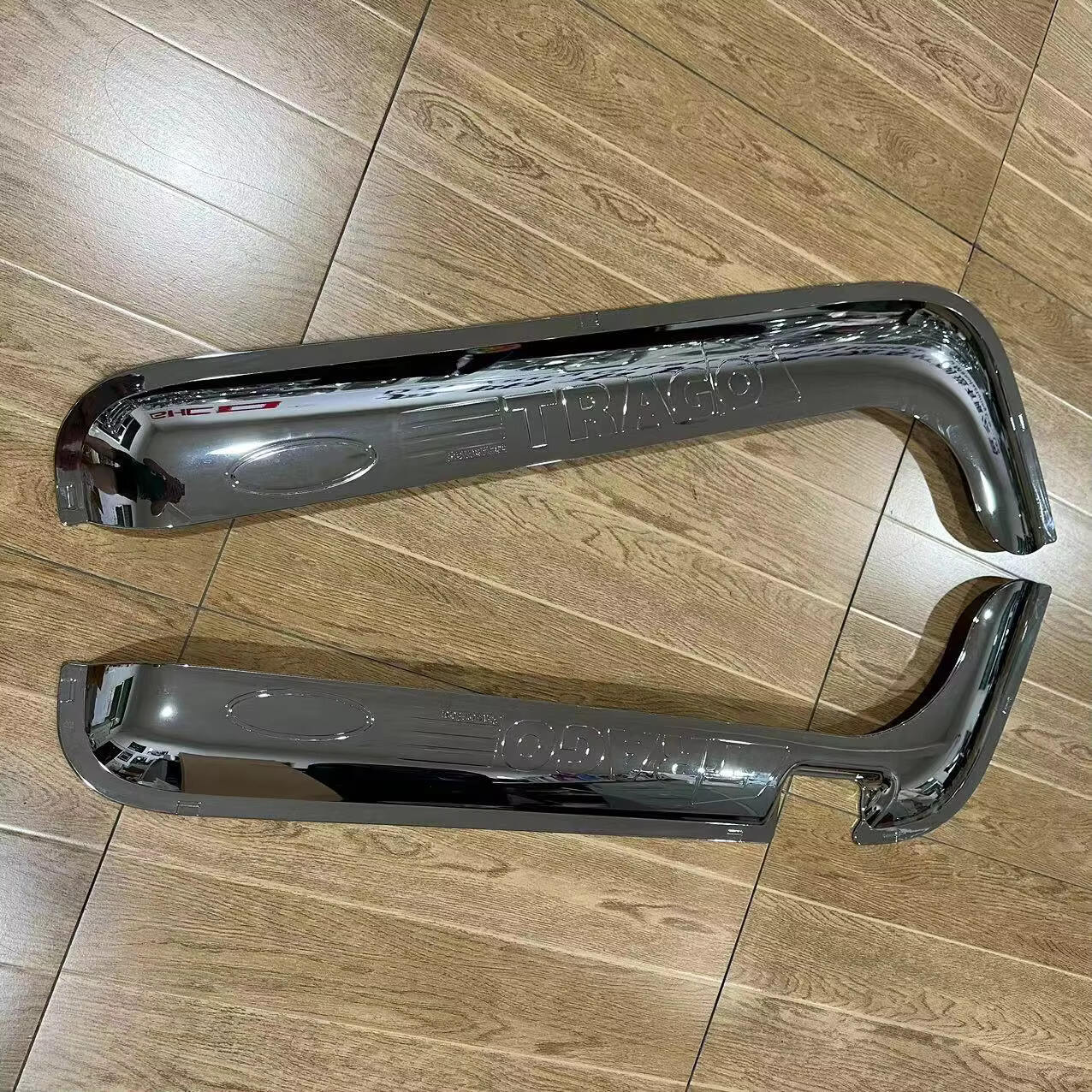
Commercial vehicle operators face mounting pressure to control operational expenses while maintaining competitive service levels. Among the various cost-reduction strategies available, aerodynamic body kits have emerged as one of the most effective solutions for achieving sustainable operational savings. These specialized vehicle modifications work by reducing air resistance, optimizing airflow patterns, and minimizing the energy required to move vehicles through air at highway speeds.
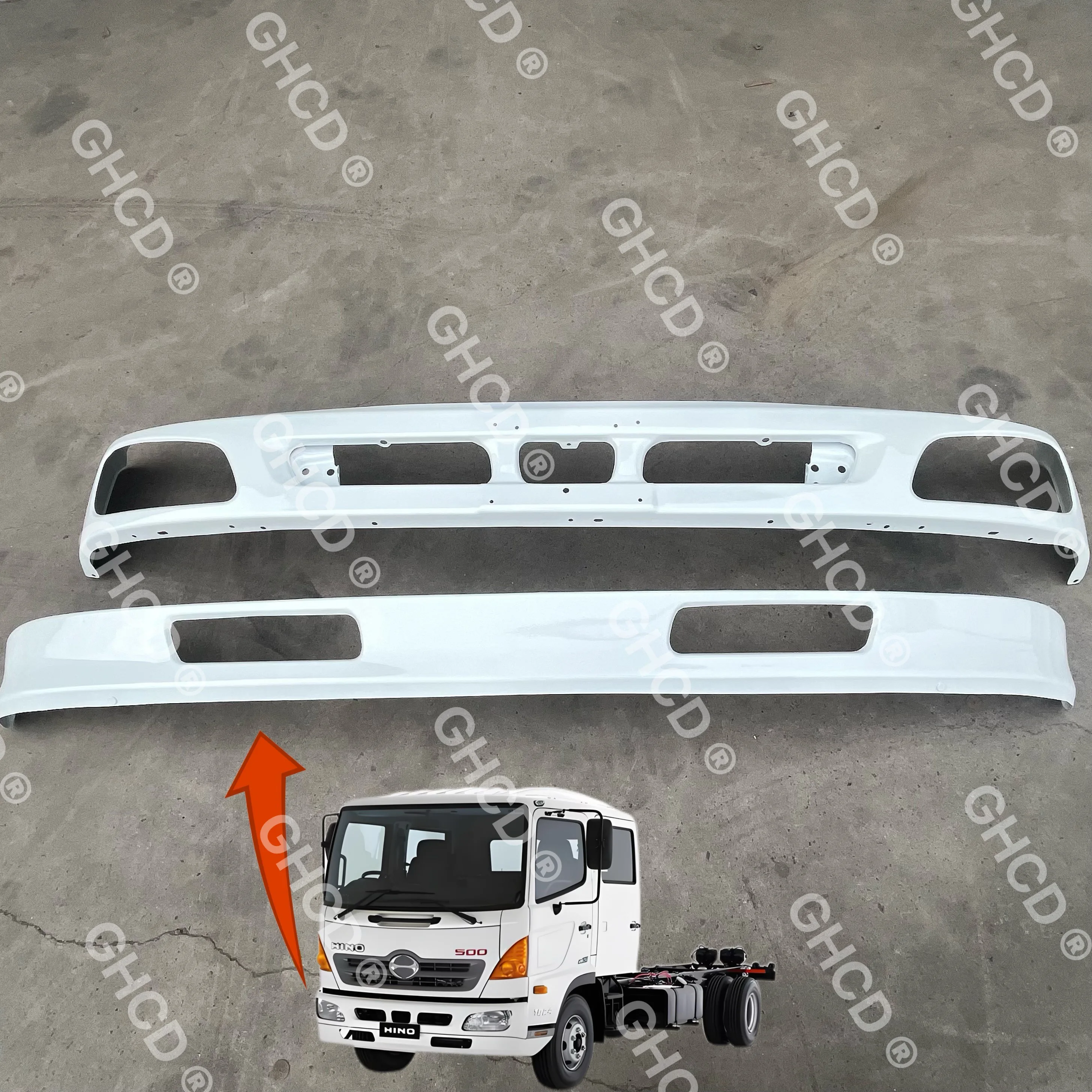
The fundamental principle behind cost reduction through aerodynamic body kits lies in their ability to address one of the largest operational expenses in commercial transportation: fuel consumption. When vehicles travel at speeds above 50 mph, aerodynamic drag becomes the dominant force requiring engine power to overcome. By installing properly designed aerodynamic body kits, fleet operators can significantly reduce this resistance, leading to measurable improvements in fuel efficiency and corresponding reductions in operating costs across multiple operational areas.
Fuel Efficiency Improvements Through Drag Reduction
Understanding Aerodynamic Drag Forces
Aerodynamic drag represents the primary energy-consuming force that commercial vehicles must overcome at highway speeds. When air flows around a vehicle's body, it creates areas of high pressure at the front and low pressure behind the vehicle, generating resistance that requires continuous engine power to maintain speed. Aerodynamic body kits work by smoothing these airflow patterns, reducing pressure differentials, and minimizing turbulence that wastes fuel energy.
The relationship between vehicle speed and aerodynamic drag follows a square law, meaning that drag forces increase exponentially with speed increases. At 65 mph, aerodynamic resistance accounts for approximately 65% of the total energy required to maintain vehicle motion. This percentage increases even further at higher speeds, making aerodynamic improvements particularly valuable for long-haul operations where vehicles spend significant time at highway speeds.
Quantifiable Fuel Savings Performance
Fleet operators implementing comprehensive aerodynamic body kits typically achieve fuel efficiency improvements ranging from 5% to 15%, depending on vehicle configuration, operating conditions, and kit design quality. These improvements translate directly into operational cost reductions, as fuel expenses often represent 25% to 35% of total vehicle operating costs in commercial applications.
The actual fuel savings achieved depend on several operational factors, including average operating speeds, route characteristics, and driving patterns. Vehicles operating primarily on highways at consistent speeds tend to realize the highest fuel savings from aerodynamic body kits, while those with frequent stop-and-go driving patterns may see more modest improvements. However, even modest improvements compound significantly over time, especially for high-mileage commercial operations.
Engine Performance and Maintenance Cost Benefits
Reduced Engine Load and Wear Patterns
Aerodynamic body kits reduce operational costs beyond fuel savings by decreasing the mechanical stress placed on vehicle engines and drivetrain components. When aerodynamic drag is reduced, engines operate at lower load levels to maintain desired speeds, resulting in decreased internal temperatures, reduced component wear, and extended service intervals for critical engine systems.
Lower engine loads translate into reduced heat generation, which benefits multiple engine systems including cooling, lubrication, and emissions control components. This thermal reduction helps extend the service life of engine oil, reduces cooling system stress, and minimizes thermal cycling that contributes to component fatigue and premature failure in high-mileage commercial applications.
Extended Component Service Life
The mechanical benefits of aerodynamic body kits extend throughout the vehicle's drivetrain system. Transmission components experience reduced stress when engines operate more efficiently, leading to extended fluid change intervals and reduced wear on internal transmission components. Similarly, differential and axle components benefit from the reduced power transmission requirements that result from improved aerodynamic efficiency.
These extended service intervals translate into direct maintenance cost savings through reduced parts replacement frequency, decreased labor costs for routine maintenance, and improved vehicle uptime. Fleet operators often find that the maintenance cost savings from aerodynamic body kits provide additional return on investment beyond the primary fuel efficiency benefits, creating multiple revenue streams from a single improvement investment.
Operational Efficiency and Driver Productivity Gains
Improved Vehicle Stability and Handling
Properly designed aerodynamic body kits contribute to operational cost reductions through improved vehicle stability and handling characteristics. By managing airflow patterns around the vehicle, these modifications reduce crosswind sensitivity and improve directional stability, particularly in adverse weather conditions. This enhanced stability reduces driver fatigue and improves safety margins, leading to reduced accident risks and associated costs.
Enhanced vehicle stability also allows drivers to maintain more consistent speeds and following distances, optimizing traffic flow and reducing the stop-and-go driving patterns that increase fuel consumption. The improved predictability of vehicle handling reduces driver stress and enables more efficient route completion, contributing to overall operational productivity improvements.
Reduced Wind Noise and Driver Comfort
Aerodynamic body kits often provide secondary benefits through reduced wind noise and improved cabin comfort. Smoother airflow around the vehicle reduces the turbulence and pressure fluctuations that generate wind noise, creating a more comfortable operating environment for drivers. This comfort improvement can contribute to reduced driver turnover, lower recruitment costs, and improved job satisfaction in operations where driver retention is challenging.
The noise reduction benefits also extend to reduced vibration and buffeting, which can contribute to extended interior component life and reduced maintenance requirements for cab systems. These secondary benefits add incremental value to the primary aerodynamic and fuel efficiency improvements provided by quality aerodynamic body kits.
Return on Investment and Payback Analysis
Calculating Total Cost Savings
The total cost reduction achieved through aerodynamic body kits encompasses multiple operational areas, including fuel savings, maintenance cost reductions, and productivity improvements. Fleet operators typically evaluate return on investment by calculating the combined value of these benefits against the initial kit purchase and installation costs, considering the expected service life of the aerodynamic modifications.
Fuel cost savings alone often provide payback periods of 12 to 24 months for quality aerodynamic body kits, depending on fuel prices, annual mileage, and operating conditions. When maintenance cost savings and productivity improvements are included in the analysis, total payback periods may be reduced to 8 to 18 months, making aerodynamic upgrades attractive investments for cost-conscious fleet operators.
Long-Term Value Creation
The long-term value of aerodynamic body kits extends beyond immediate operational cost savings to include vehicle residual value improvements and fleet competitiveness benefits. Vehicles equipped with quality aerodynamic modifications often command higher resale values due to their proven fuel efficiency performance and reduced wear characteristics. This residual value protection adds additional return on investment for operators who regularly cycle their fleet equipment.
Furthermore, the competitive advantages gained through reduced operating costs allow fleet operators to offer more competitive pricing while maintaining profitability margins. In markets where fuel costs represent significant competitive factors, the operational advantages provided by aerodynamic body kits can translate into market share gains and improved business sustainability over time.
FAQ
How much can aerodynamic body kits reduce fuel consumption in commercial vehicles?
Aerodynamic body kits typically reduce fuel consumption by 5% to 15% in commercial vehicles, with the actual savings depending on vehicle configuration, operating speeds, and route characteristics. Highway-focused operations tend to achieve higher savings percentages, while mixed driving conditions may yield more modest improvements. These savings translate directly into operational cost reductions, as fuel represents a major portion of vehicle operating expenses.
What is the typical payback period for aerodynamic body kit investments?
Most quality aerodynamic body kits provide payback periods of 12 to 24 months through fuel savings alone, with combined benefits potentially reducing payback to 8 to 18 months. The actual payback period depends on factors including annual mileage, fuel prices, vehicle utilization patterns, and local operating conditions. High-mileage operations typically see faster payback periods due to greater fuel consumption and correspondingly larger savings opportunities.
Do aerodynamic body kits require special maintenance or create additional costs?
Quality aerodynamic body kits are designed to integrate with existing vehicle systems without creating additional maintenance requirements. Most kits use durable materials that withstand normal commercial vehicle operating conditions and require only routine cleaning and inspection as part of standard vehicle maintenance. The improved aerodynamic efficiency often reduces overall vehicle maintenance costs by decreasing engine loads and component wear rates.
Can aerodynamic body kits be installed on existing commercial vehicles?
Yes, most aerodynamic body kits are specifically designed for retrofit installation on existing commercial vehicles. Professional installation typically requires minimal vehicle downtime and can be completed using standard tools and procedures. Many kits are designed to work with common vehicle configurations and can be adapted to specific operational requirements while maintaining aerodynamic performance benefits.
Table of Contents
- Fuel Efficiency Improvements Through Drag Reduction
- Engine Performance and Maintenance Cost Benefits
- Operational Efficiency and Driver Productivity Gains
- Return on Investment and Payback Analysis
-
FAQ
- How much can aerodynamic body kits reduce fuel consumption in commercial vehicles?
- What is the typical payback period for aerodynamic body kit investments?
- Do aerodynamic body kits require special maintenance or create additional costs?
- Can aerodynamic body kits be installed on existing commercial vehicles?