 EN
EN


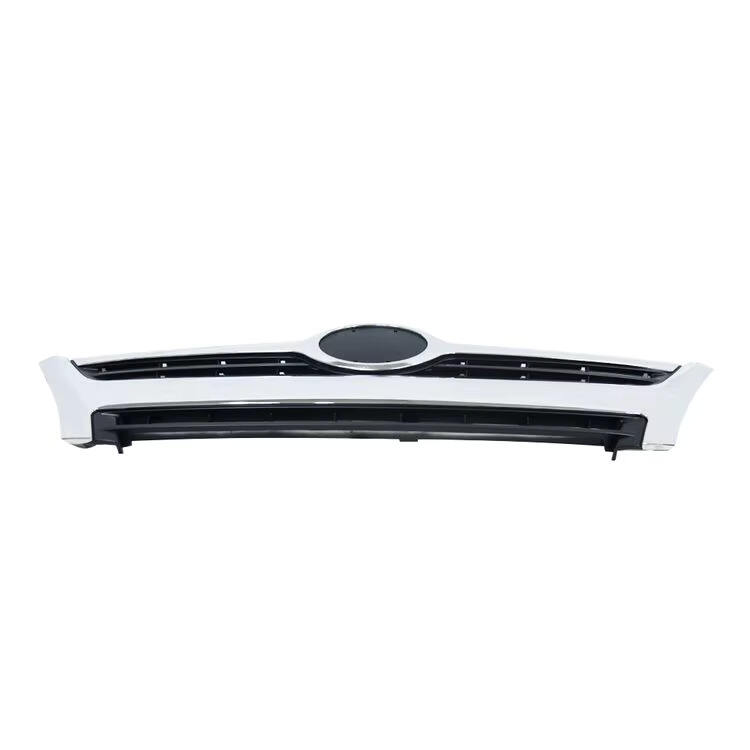
The legality of LED truck headlights varies significantly across different jurisdictions, creating confusion for commercial vehicle operators and fleet managers. Understanding the regulatory landscape surrounding truck headlight modifications is crucial for maintaining compliance while ensuring optimal road safety. Modern LED technology offers numerous advantages over traditional halogen systems, but installation must align with federal, state, and local regulations to avoid costly violations and potential liability issues.

Federal Regulations Governing Commercial Vehicle Lighting
Department of Transportation Standards
The Federal Motor Carrier Safety Administration (FMCSA) establishes baseline requirements for commercial vehicle lighting systems through the Federal Motor Vehicle Safety Standards (FMVSS). These regulations specify minimum performance criteria for truck headlight assemblies, including luminous intensity, beam patterns, and photometric specifications. Compliance with FMVSS 108 is mandatory for all vehicles operating in interstate commerce, regardless of the lighting technology employed.
LED truck headlight systems must meet identical performance standards as their halogen counterparts while demonstrating superior durability and energy efficiency. The certification process requires extensive testing by approved laboratories to verify compliance with federal photometric requirements. Manufacturers must provide detailed documentation proving their LED assemblies meet or exceed established safety thresholds before receiving DOT approval for commercial use.
SAE International Compliance Requirements
The Society of Automotive Engineers (SAE) develops technical standards that complement federal regulations, providing detailed specifications for truck headlight design and performance. SAE J578 outlines color specifications, while SAE J579 addresses signal lamp requirements for commercial vehicles. These standards ensure uniformity across different manufacturers and lighting technologies, maintaining consistent performance expectations throughout the industry.
Professional fleet operators must verify that their chosen truck headlight systems carry proper SAE certifications before installation. Non-compliant lighting modifications can result in vehicle impoundment, substantial fines, and increased liability exposure during accident investigations. The certification markings on approved LED assemblies provide clear evidence of regulatory compliance during roadside inspections.
State-Level Variations in LED Headlight Laws
Regional Enforcement Differences
Individual states maintain authority to establish additional restrictions beyond federal minimums, creating a complex patchwork of regulations affecting truck headlight legality. Some jurisdictions prohibit aftermarket modifications entirely, while others permit LED upgrades provided they meet specific performance criteria. California, Texas, and Florida have particularly stringent requirements due to high commercial vehicle traffic volumes and safety concerns.
Interstate trucking companies face the challenge of ensuring compliance across multiple jurisdictions with varying interpretation of federal standards. A truck headlight system approved in one state may face scrutiny in another, particularly when enforcement officers lack familiarity with LED technology specifications. Maintaining comprehensive documentation becomes essential for proving compliance during multi-state operations.
Inspection and Certification Processes
Annual safety inspections often include detailed examination of lighting systems, with inspectors trained to identify non-compliant modifications. LED truck headlight installations must demonstrate proper alignment, appropriate color temperature, and absence of excessive glare that could impair other motorists. State inspection programs vary in their technical sophistication, with some regions lacking equipment to properly evaluate modern LED systems.
Documentation requirements differ substantially between states, with some accepting manufacturer certifications while others demand independent testing verification. Fleet managers must maintain detailed records of all lighting modifications, including installation dates, technician qualifications, and compliance certifications. This documentation proves invaluable during accident investigations or regulatory audits where lighting system legality becomes questioned.
Technical Considerations for Legal Compliance
Beam Pattern and Intensity Requirements
Proper beam pattern alignment represents a critical factor in truck headlight legality, as improperly installed LED systems can create dangerous glare conditions for oncoming traffic. The photometric specifications established by federal regulations define precise light distribution patterns that must be maintained regardless of the underlying technology. Professional installation and calibration ensure compliance with these exacting standards.
LED technology offers superior control over light distribution compared to traditional systems, but this advantage requires proper engineering and installation to realize legally compliant performance. Aftermarket truck headlight conversions that modify original equipment manufacturer (OEM) housings often fail to maintain proper beam patterns, resulting in non-compliant installations that violate federal safety standards.
Color Temperature and Spectral Output
The color temperature of LED truck headlight systems must fall within acceptable ranges defined by federal regulations, typically between 3000K and 6500K. Excessively blue or purple-tinted lighting violates established standards and creates enforcement issues during roadside inspections. Professional-grade LED systems maintain color temperature consistency throughout their operational lifespan, ensuring continued compliance over time.
Spectral output characteristics of LED systems differ significantly from halogen technology, requiring careful selection to ensure regulatory compliance. The human eye's sensitivity to different wavelengths affects the perceived brightness and effectiveness of truck headlight systems. Manufacturers must balance optimal visibility with regulatory requirements when developing Truck Headlight solutions for commercial applications.
Installation and Maintenance Best Practices
Professional Installation Requirements
Qualified technicians with specific training in LED technology should perform all truck headlight installations to ensure regulatory compliance and optimal performance. Improper installation techniques can compromise beam patterns, create electrical issues, and void manufacturer warranties. Professional installation includes comprehensive testing and calibration to verify compliance with applicable regulations.
Certification programs for automotive lighting technicians provide standardized training on LED technology, regulatory requirements, and proper installation procedures. These programs ensure consistent quality across different service providers while maintaining industry standards for truck headlight modifications. Fleet operators should verify technician qualifications before authorizing any lighting system modifications.
Ongoing Compliance Monitoring
Regular inspection and maintenance of LED truck headlight systems ensure continued compliance with regulatory requirements throughout their operational lifespan. LED technology offers superior longevity compared to traditional systems, but proper maintenance remains essential for optimal performance. Scheduled inspections should verify beam alignment, color temperature consistency, and absence of moisture intrusion or physical damage.
Fleet management systems can incorporate lighting compliance tracking to maintain comprehensive records of all modifications, inspections, and maintenance activities. This documentation provides valuable protection during regulatory audits and accident investigations where truck headlight legality becomes questioned. Proactive monitoring identifies potential compliance issues before they result in enforcement actions or safety concerns.
Cost-Benefit Analysis of Legal LED Upgrades
Initial Investment Considerations
The initial cost of compliant LED truck headlight systems exceeds traditional halogen alternatives, but the long-term benefits justify the investment for most commercial operations. Professional-grade LED assemblies typically cost three to five times more than standard replacements, but offer significantly longer service life and reduced maintenance requirements. Fleet operators must evaluate total cost of ownership rather than initial purchase price when making upgrade decisions.
Energy efficiency improvements from LED technology reduce alternator load and fuel consumption, providing measurable operational savings over time. The reduced power consumption becomes particularly significant for vehicles with extensive idle time or those operating auxiliary equipment. These energy savings help offset the higher initial investment while providing environmental benefits through reduced emissions.
Liability and Insurance Implications
Non-compliant truck headlight modifications can create significant liability exposure during accident investigations, particularly in cases involving nighttime collisions or visibility-related incidents. Insurance companies may deny claims or seek subrogation against operators using non-approved lighting systems. Maintaining compliance with all applicable regulations provides important protection against these potential liabilities.
Some insurance providers offer premium reductions for fleets that demonstrate proactive safety investments, including upgraded lighting systems that exceed minimum regulatory requirements. Professional-grade LED truck headlight systems often qualify for these incentive programs, providing additional financial benefits beyond operational improvements. Fleet safety ratings can improve significantly with proper lighting upgrades, resulting in lower insurance costs and better regulatory standing.
FAQ
What documentation is required to prove LED truck headlight legality during inspections
Documentation requirements include DOT approval markings on the lighting assemblies, SAE compliance certifications, professional installation records, and beam alignment verification reports. Fleet operators should maintain comprehensive files containing manufacturer specifications, installation dates, technician qualifications, and any subsequent maintenance or calibration activities. This documentation provides essential proof of compliance during roadside inspections or regulatory audits.
Can aftermarket LED bulbs be legally installed in original halogen housings
Installing LED bulbs in original halogen housings typically violates federal regulations because the different light source characteristics alter the intended beam pattern and photometric performance. Halogen reflector housings are specifically designed for the light distribution characteristics of tungsten filaments, and LED point sources create different optical effects. Legal compliance requires complete assembly replacement with DOT-approved LED units designed specifically for truck headlight applications.
How do state inspection programs evaluate LED truck headlight compliance
State inspection programs use standardized procedures to evaluate lighting system compliance, including visual inspection of approval markings, beam pattern testing, and color temperature verification. Inspectors check for proper installation, appropriate mounting, and absence of aftermarket modifications that could affect performance. Some states utilize specialized equipment to measure photometric output and verify compliance with federal standards, while others rely primarily on visual assessment and documentation review.
What penalties apply for operating with non-compliant truck headlight systems
Penalties for non-compliant truck headlight systems vary by jurisdiction but typically include substantial fines, vehicle impoundment, and potential suspension of commercial driving privileges. Federal violations can result in fines ranging from several hundred to several thousand dollars per violation, with repeat offenses carrying enhanced penalties. State and local jurisdictions may impose additional sanctions, including mandatory equipment replacement and re-inspection requirements before allowing return to service.
Table of Contents
- Federal Regulations Governing Commercial Vehicle Lighting
- State-Level Variations in LED Headlight Laws
- Technical Considerations for Legal Compliance
- Installation and Maintenance Best Practices
- Cost-Benefit Analysis of Legal LED Upgrades
-
FAQ
- What documentation is required to prove LED truck headlight legality during inspections
- Can aftermarket LED bulbs be legally installed in original halogen housings
- How do state inspection programs evaluate LED truck headlight compliance
- What penalties apply for operating with non-compliant truck headlight systems