 EN
EN


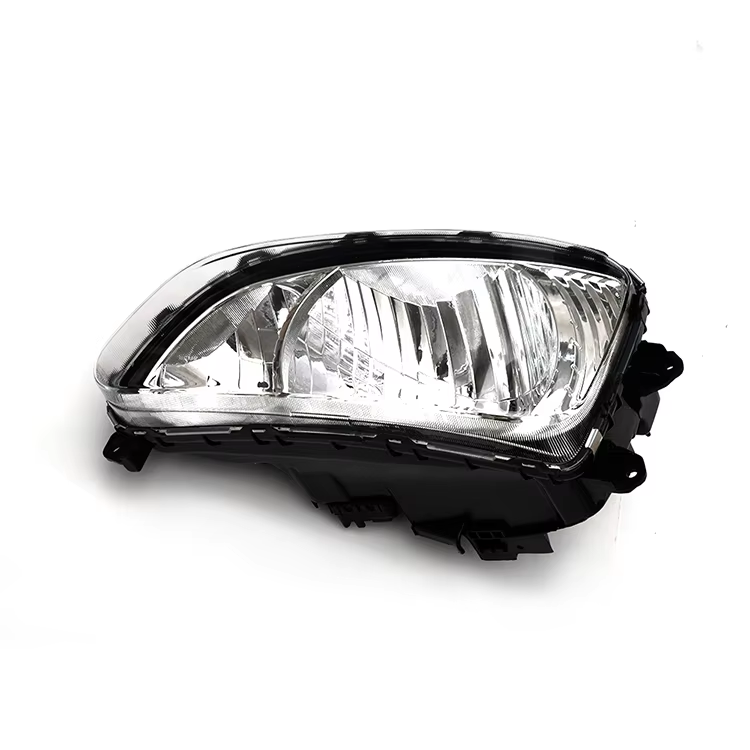
Modern automotive lighting technology has revolutionized nighttime driving safety, with projector headlamp systems leading the charge in enhanced visibility and road safety. These advanced lighting solutions have become essential components for commercial vehicles, passenger cars, and specialized transportation equipment. The evolution from traditional reflector-based systems to sophisticated projector headlamp assemblies represents a significant leap forward in automotive safety engineering, providing drivers with superior illumination patterns and improved road awareness during low-light conditions.
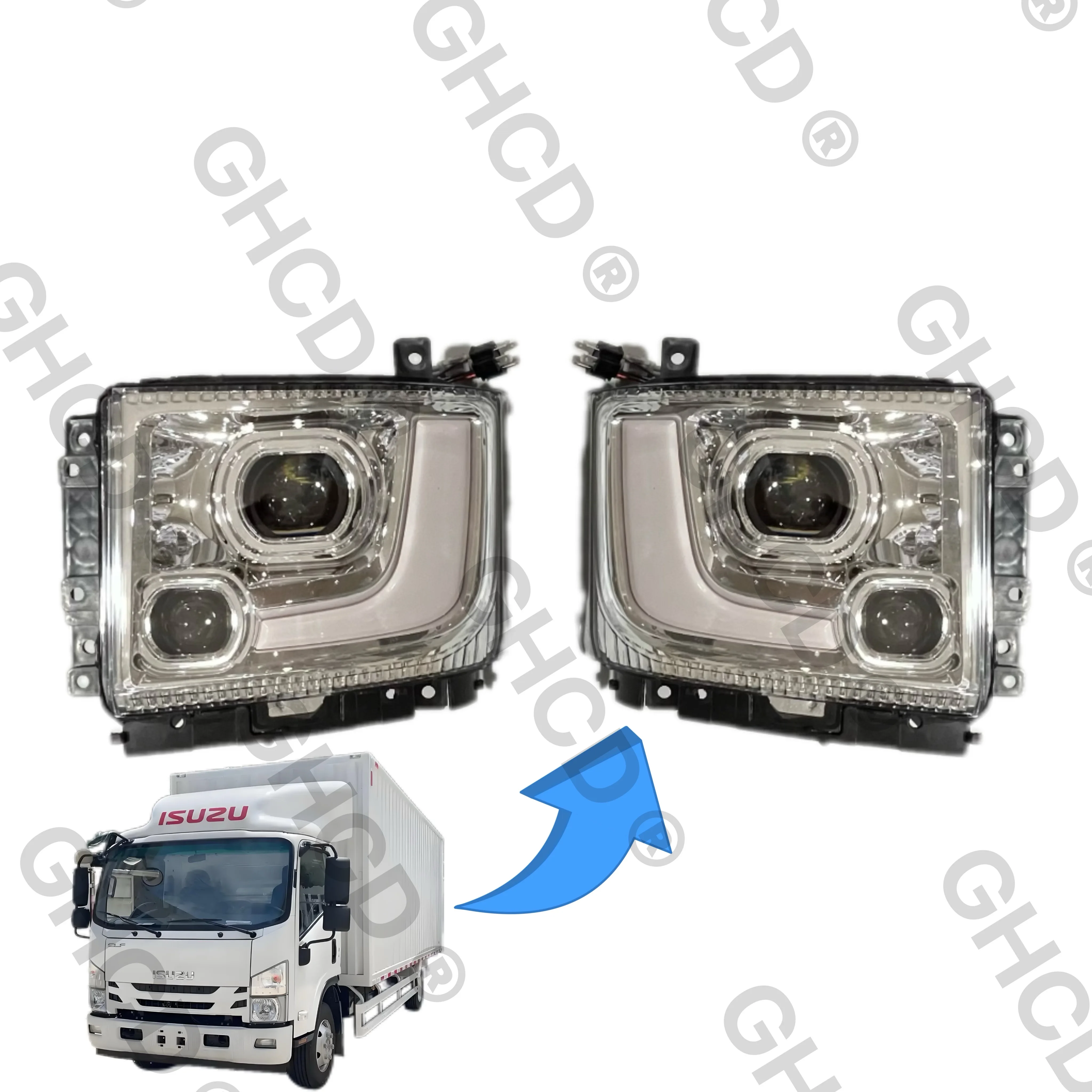
Understanding Projector Headlamp Technology
Core Components and Design Architecture
The projector headlamp system incorporates several critical components that work together to create precise light distribution patterns. The primary element is the projector lens, which focuses and directs light output with exceptional accuracy compared to traditional reflector designs. This lens system works in conjunction with a specially designed reflector bowl that captures and concentrates light from the bulb source, whether halogen, LED, or HID technology.
Within the projector assembly, a cutoff shield plays a crucial role in creating the distinctive sharp light pattern that prevents glare for oncoming traffic. This shield mechanism allows the headlamp to produce maximum illumination on the road surface while maintaining appropriate light discipline. The housing design also incorporates advanced thermal management systems to ensure optimal performance under various operating conditions, making each headlamp unit highly reliable for extended use.
Light Distribution Mechanisms
Projector headlamp systems excel in creating controlled light patterns that maximize road illumination while minimizing scatter and glare. The optical design focuses light into specific zones, creating distinct boundaries between illuminated and non-illuminated areas. This precision allows drivers to see road markings, signs, and potential hazards with greater clarity than conventional lighting systems provide.
The beam pattern characteristics of projector systems include enhanced foreground lighting, improved side illumination, and extended visibility range. These features work together to create a comprehensive lighting solution that adapts to various driving conditions and road environments. The concentrated light output also reduces power consumption while maintaining superior performance standards across different vehicle applications.
Safety Benefits of Advanced Headlamp Systems
Enhanced Visibility Range and Clarity
Projector headlamp technology significantly extends the effective visibility range for drivers during nighttime operations. The focused beam pattern allows drivers to identify obstacles, pedestrians, and road conditions at greater distances, providing additional reaction time for safe maneuvering. This extended range capability is particularly valuable for commercial vehicles and heavy-duty trucks that require enhanced forward visibility due to their size and braking characteristics.
The clarity improvement offered by projector systems also enhances color recognition and depth perception during low-light conditions. Road signs, lane markings, and traffic control devices become more visible and legible, reducing driver fatigue and improving overall navigation accuracy. This enhanced clarity translates directly into improved safety outcomes for both the vehicle operator and other road users sharing the driving environment.
Reduced Glare and Light Pollution
One of the most significant safety advantages of projector headlamp systems is their ability to minimize glare for oncoming traffic while maintaining optimal illumination for the vehicle operator. The precise cutoff mechanism ensures that light projection remains below the sight line of approaching drivers, reducing the risk of temporary blindness that can lead to accidents and unsafe driving conditions.
This controlled light output also contributes to reduced light pollution in residential and urban areas, making these systems more environmentally responsible. The focused beam design concentrates light energy where it is needed most while minimizing scatter into unwanted areas. This efficiency improvement supports both safety objectives and environmental considerations in modern automotive design applications.
Commercial Vehicle Applications and Benefits
Heavy-Duty Truck Integration
Commercial truck applications particularly benefit from advanced projector headlamp technology due to the demanding operating conditions these vehicles face. Long-haul operations, night deliveries, and challenging weather conditions require reliable lighting systems that maintain consistent performance over extended periods. The robust construction and superior light output of projector systems make them ideal for headlamp applications in commercial vehicle fleets.
Fleet operators recognize the value of investing in quality lighting systems that reduce maintenance costs while improving driver safety and productivity. Projector headlamp assemblies offer extended service life, consistent performance characteristics, and compatibility with various truck models and configurations. These factors combine to create compelling economic and safety advantages for commercial transportation operations across different industry sectors.
Installation and Compatibility Considerations
Modern projector headlamp systems are designed for straightforward installation and integration with existing vehicle electrical systems. Compatibility with popular truck models ensures that fleet managers can upgrade their lighting systems without extensive modifications or custom engineering work. The standardized mounting configurations and electrical connections simplify the installation process while maintaining reliable performance standards.
Quality headlamp assemblies also incorporate advanced features such as automatic leveling systems, integrated daytime running lights, and adaptive lighting controls that respond to driving conditions. These features enhance the overall value proposition while providing additional safety benefits that justify the investment in premium lighting technology for commercial vehicle applications.
Performance Optimization and Maintenance
Maximizing Light Output Efficiency
Proper maintenance and optimization of projector headlamp systems ensure maximum light output and extended service life. Regular cleaning of lens surfaces, inspection of mounting hardware, and verification of electrical connections help maintain peak performance levels. The sealed design of quality headlamp assemblies protects internal components from moisture and contamination while simplifying maintenance procedures.
Optimization also involves selecting appropriate bulb technologies that complement the projector design characteristics. LED and HID options offer different advantages in terms of light output, color temperature, and energy efficiency. Understanding these differences helps vehicle operators make informed decisions about headlamp configuration that best meets their specific operating requirements and safety objectives.
Troubleshooting Common Issues
Common headlamp performance issues often relate to improper alignment, contaminated lens surfaces, or degraded bulb performance rather than fundamental design problems. Regular inspection protocols help identify these issues before they compromise safety or violate regulatory compliance requirements. Professional alignment services ensure that headlamp systems maintain proper beam patterns and light distribution characteristics.
Preventive maintenance schedules that include headlamp inspection and testing help identify potential problems early while minimizing downtime and repair costs. This proactive approach to lighting system maintenance supports overall vehicle safety while maximizing the return on investment in quality headlamp technology for commercial and personal vehicle applications.
Future Trends and Technology Developments
Adaptive Lighting Systems
Emerging headlamp technologies incorporate adaptive features that automatically adjust light patterns based on driving conditions, vehicle speed, and traffic situations. These intelligent systems use sensors and control algorithms to optimize illumination while maintaining safety for all road users. The integration of adaptive capabilities represents the next evolution in headlamp technology that builds upon the proven advantages of projector-based designs.
Smart headlamp systems also incorporate communication capabilities that allow coordination with other vehicle systems and infrastructure elements. This connectivity enables features such as automatic high-beam control, curve-adaptive lighting, and integration with navigation systems to provide anticipatory lighting adjustments based on upcoming road conditions and traffic patterns.
Energy Efficiency and Sustainability
Advanced LED technology continues to improve the energy efficiency of projector headlamp systems while maintaining superior light output and beam quality. These improvements reduce electrical load on vehicle charging systems while supporting environmental sustainability objectives. The longer service life of LED technology also reduces waste and maintenance requirements compared to traditional lighting solutions.
Sustainable manufacturing practices and recyclable materials increasingly influence headlamp design and production processes. These considerations ensure that advanced lighting technology contributes to overall environmental responsibility while delivering enhanced safety and performance benefits for vehicle operators across diverse applications and operating environments.
FAQ
What makes projector headlamps safer than traditional reflector designs?
Projector headlamps create precise, controlled light patterns with sharp cutoffs that prevent glare for oncoming traffic while maximizing road illumination. The focused beam design provides better visibility range and clarity compared to traditional reflector systems, allowing drivers to see obstacles and hazards earlier. This improved performance translates directly into enhanced safety for nighttime driving conditions.
How do I know if projector headlamps are compatible with my commercial truck?
Compatibility depends on your specific truck model, year, and existing electrical system configuration. Most modern projector headlamp systems are designed with standardized mounting patterns and electrical connections for popular truck models. Consult with automotive lighting specialists or check manufacturer specifications to ensure proper fit and performance for your particular vehicle application.
What maintenance is required for projector headlamp systems?
Regular maintenance includes cleaning lens surfaces, inspecting mounting hardware, and verifying proper beam alignment. Check electrical connections periodically and replace bulbs according to manufacturer recommendations. Quality projector systems feature sealed designs that protect internal components, making maintenance relatively straightforward while ensuring consistent performance over extended service periods.
Are LED bulbs recommended for projector headlamp assemblies?
LED technology offers excellent compatibility with projector headlamp designs, providing superior light output, energy efficiency, and extended service life. LED bulbs generate less heat than traditional options while maintaining consistent color temperature and brightness. Choose LED products specifically designed for projector applications to ensure optimal beam patterns and regulatory compliance for your vehicle type and operating requirements.