 EN
EN


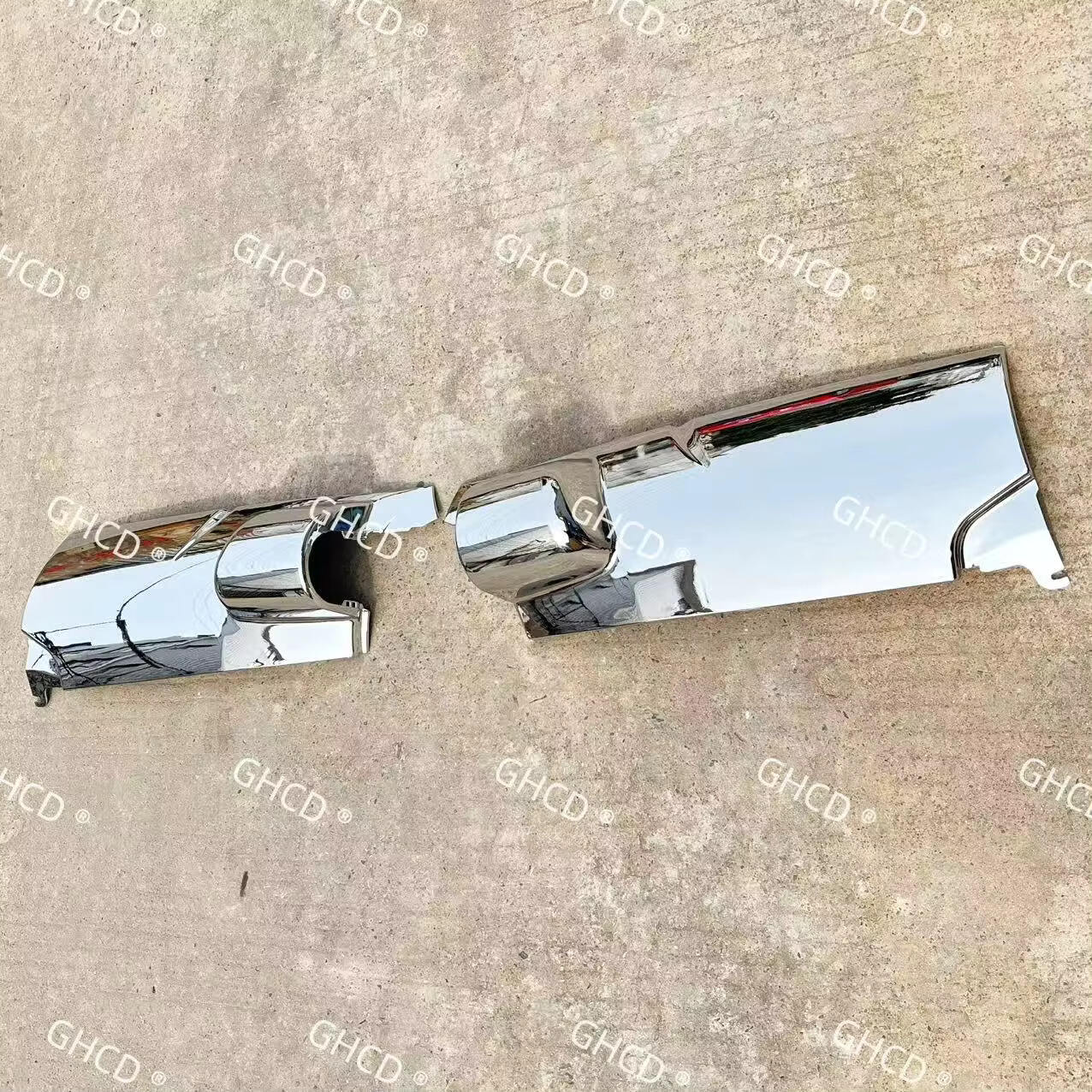
Modern commercial vehicles face increasing demands for performance, durability, and versatility in today's competitive transportation industry. One crucial component that often gets overlooked in performance discussions is the front bumper assembly, which plays a vital role in vehicle safety, aerodynamics, and overall functionality. When considering modifications to enhance your truck's capabilities, understanding how a quality bumper upgrade can impact various aspects of vehicle performance becomes essential for fleet managers and owner-operators alike.
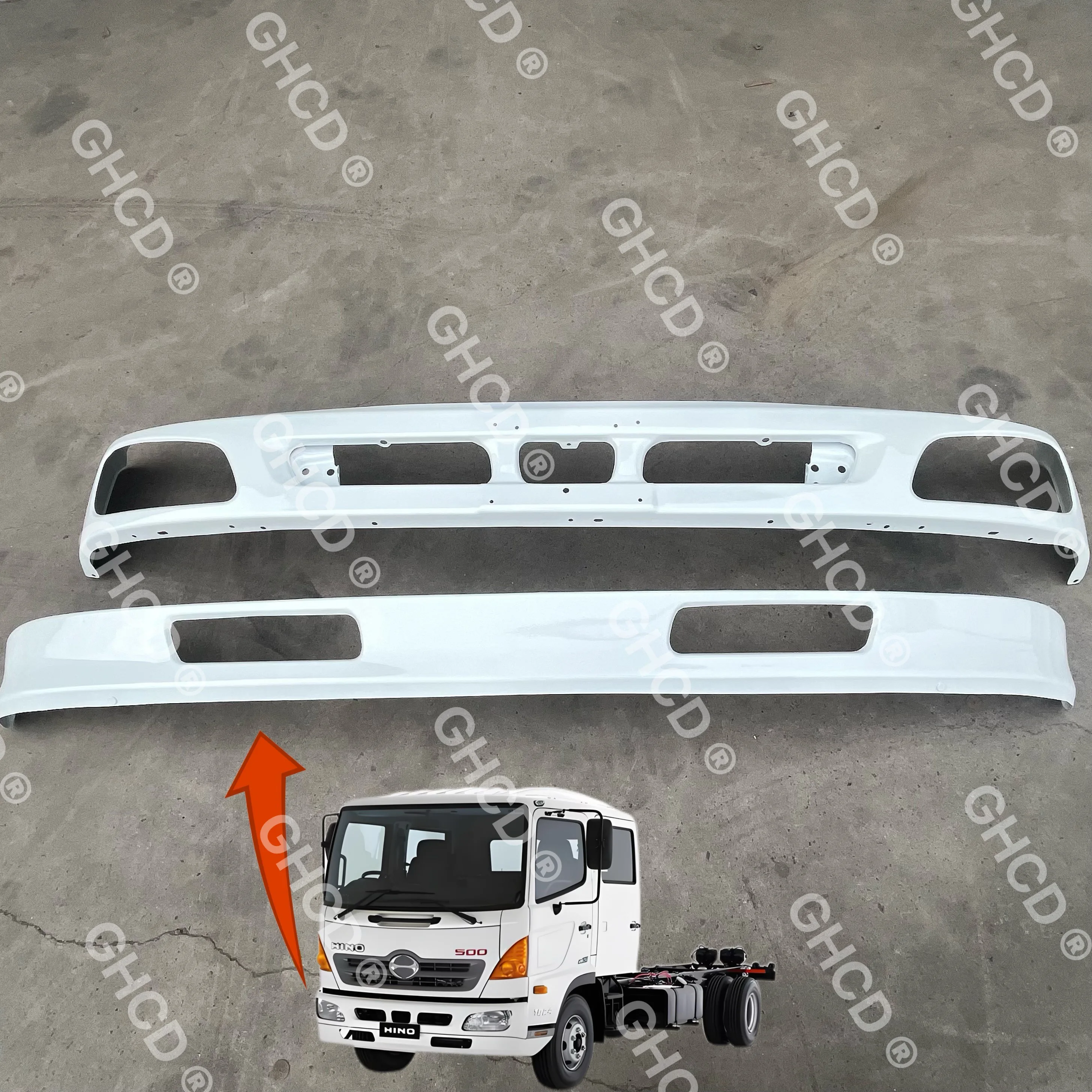
Understanding Bumper Design and Towing Capacity Relationship
Structural Engineering Behind Bumper Performance
The relationship between bumper design and towing capacity involves complex engineering principles that extend beyond simple aesthetics. A well-engineered bumper serves as the primary interface between the vehicle's frame and external forces, distributing loads evenly across the chassis during various operating conditions. High-quality bumper assemblies incorporate reinforced mounting points that can significantly improve the vehicle's ability to handle stress from heavy-duty applications including towing operations.
Modern bumper designs utilize advanced materials and manufacturing techniques to optimize weight distribution while maintaining structural integrity. The integration of mounting brackets, recovery points, and auxiliary equipment mounting surfaces creates a comprehensive front-end solution that enhances both functionality and performance capabilities. These design elements work together to create a more robust platform for demanding commercial applications.
Load Distribution and Frame Integration
Effective load distribution through proper bumper design directly impacts how external forces transfer through the vehicle's frame structure. Premium bumper assemblies feature engineered mounting systems that spread impact forces across multiple frame points, reducing stress concentrations that could lead to structural failure. This improved force distribution can indirectly support enhanced towing capabilities by maintaining frame integrity under demanding conditions.
The connection between bumper mounting and chassis strength becomes particularly important when considering long-term durability and performance consistency. Vehicles equipped with properly engineered bumper systems typically demonstrate superior resistance to frame fatigue and structural deformation, factors that directly influence overall vehicle capability and longevity.
Material Specifications and Performance Impact
High-Strength Steel Construction Benefits
Advanced bumper materials play a crucial role in determining overall vehicle performance characteristics. High-strength steel construction offers superior impact resistance while maintaining reasonable weight parameters, creating an optimal balance between protection and efficiency. The material selection process for commercial vehicle bumper applications requires careful consideration of strength-to-weight ratios, corrosion resistance, and manufacturing feasibility.
Modern manufacturing techniques enable the production of complex bumper geometries that maximize strength while minimizing unnecessary weight. These advanced designs incorporate strategic reinforcement areas that align with anticipated load paths, ensuring optimal performance under various operating conditions. The result is a Bumper system that provides enhanced protection without compromising vehicle dynamics or fuel efficiency.
Composite Materials and Weight Optimization
Alternative materials including reinforced composites and aluminum alloys offer unique advantages for specific applications where weight reduction becomes a primary concern. These materials can provide excellent strength characteristics while significantly reducing overall front-end weight, potentially improving weight distribution and handling characteristics. The weight savings achieved through advanced materials can be particularly beneficial for vehicles operating near maximum gross vehicle weight ratings.
Composite bumper construction enables complex design features that would be difficult or expensive to achieve with traditional materials. Integrated mounting points, aerodynamic enhancements, and equipment accommodation can be incorporated during the manufacturing process, creating highly functional solutions that meet diverse operational requirements.
Aerodynamic Considerations and Fuel Efficiency
Airflow Management Through Bumper Design
The aerodynamic properties of bumper assemblies significantly influence overall vehicle efficiency, particularly at highway speeds where air resistance becomes a dominant factor in fuel consumption. Well-designed bumper profiles can improve airflow management around the vehicle's front end, reducing drag coefficients and improving fuel economy. These efficiency gains become particularly important for long-haul operations where fuel costs represent a substantial portion of operating expenses.
Advanced bumper designs incorporate features such as integrated air dams, deflector elements, and optimized surface contours that work together to improve overall aerodynamic performance. These design elements can reduce turbulence around the front wheels and undercarriage, contributing to improved stability and reduced wind noise at highway speeds.
Cooling System Integration and Performance
Modern bumper designs must accommodate increasingly complex cooling system requirements while maintaining optimal airflow characteristics. Proper integration of cooling air intakes, intercooler ducting, and auxiliary equipment cooling ensures that engine performance remains consistent under demanding conditions. The bumper's role in directing cooling airflow becomes particularly critical during heavy-duty operations such as towing, where engine temperatures may increase significantly.
Strategic placement of cooling air intakes within the bumper assembly can optimize cooling system efficiency while maintaining aerodynamic performance. This integration requires careful balance between cooling requirements and aerodynamic considerations, often involving computational fluid dynamics analysis to achieve optimal results.
Safety and Regulatory Compliance Factors
Impact Protection Standards
Commercial vehicle bumper systems must comply with stringent safety regulations that govern impact protection, pedestrian safety, and compatibility with other vehicles. These regulations directly influence bumper design parameters including height specifications, energy absorption characteristics, and structural integrity requirements. Compliance with these standards ensures that bumper upgrades maintain legal operation status while providing enhanced functionality.
The testing protocols for commercial vehicle bumper assemblies involve complex impact scenarios that simulate real-world collision conditions. These tests evaluate energy absorption capabilities, structural deformation patterns, and occupant protection characteristics. Understanding these requirements helps fleet managers select bumper upgrades that provide both performance benefits and regulatory compliance.
Compatibility with Safety Systems
Modern vehicles incorporate numerous electronic safety systems that may require specific mounting provisions or clearance requirements within the bumper assembly. Advanced driver assistance systems, collision avoidance radar, and emergency braking components often integrate with front-end structures. Bumper upgrades must accommodate these systems while maintaining their operational effectiveness.
The integration of safety system components requires careful consideration of mounting locations, electrical connections, and environmental protection. Quality bumper designs provide adequate protection for sensitive electronic components while maintaining easy access for maintenance and service operations.
Installation and Modification Considerations
Professional Installation Requirements
Proper bumper installation requires specialized knowledge of vehicle systems, mounting procedures, and safety protocols. Professional installation ensures that all mounting points receive appropriate torque specifications, electrical connections are properly secured, and safety systems remain functional. The complexity of modern vehicle systems makes professional installation essential for maintaining warranty coverage and operational safety.
Installation procedures must account for various vehicle-specific requirements including electrical system integration, cooling system modifications, and accessory equipment mounting. These factors require experienced technicians who understand the interactions between different vehicle systems and can ensure optimal performance after installation.
Warranty and Service Support
Quality bumper manufacturers provide comprehensive warranty coverage and ongoing service support to protect the investment in upgraded equipment. Warranty terms typically cover material defects, manufacturing issues, and premature failure under normal operating conditions. Understanding warranty provisions helps fleet managers make informed decisions about bumper upgrades and long-term maintenance planning.
Service support includes technical assistance, replacement parts availability, and troubleshooting guidance for installation and operational issues. Reliable manufacturer support ensures that bumper systems continue to perform effectively throughout their service life, maximizing return on investment and minimizing operational disruptions.
Cost-Benefit Analysis for Fleet Operations
Initial Investment and Long-Term Value
The financial analysis of bumper upgrades must consider both immediate costs and long-term operational benefits. Initial investment includes equipment costs, installation expenses, and potential downtime during modification. However, the long-term benefits may include improved fuel efficiency, reduced maintenance costs, enhanced safety ratings, and increased vehicle capability that can justify the initial expenditure.
Quantifying the operational benefits requires careful analysis of specific fleet requirements, operating conditions, and performance objectives. Factors such as annual mileage, fuel costs, maintenance expenses, and insurance considerations all contribute to the overall cost-benefit calculation. Fleet managers must evaluate these factors in the context of their specific operational requirements.
Operational Efficiency Improvements
Enhanced bumper systems can contribute to operational efficiency through improved aerodynamics, reduced maintenance requirements, and enhanced equipment protection. These efficiency gains may result in measurable cost savings over the vehicle's service life, particularly for high-mileage operations where small percentage improvements translate to significant absolute savings.
The reliability improvements associated with quality bumper upgrades can reduce unscheduled maintenance events and operational disruptions. This enhanced reliability contributes to improved fleet availability and reduced total cost of ownership, factors that become increasingly important in competitive transportation markets.
FAQ
Does upgrading to a heavier-duty bumper affect vehicle weight ratings
While a heavier bumper does add weight to the vehicle, quality upgrades are designed to provide enhanced functionality without significantly impacting gross vehicle weight ratings. The added weight is typically minimal compared to the overall vehicle mass, and the structural improvements often justify this small increase. However, fleet managers should verify that any bumper upgrade remains within acceptable weight limits for their specific vehicle class and operating requirements.
How does bumper design influence insurance costs and liability
Insurance considerations for bumper upgrades vary depending on the specific modifications and their impact on safety performance. Many insurers recognize that quality bumper upgrades can reduce damage severity in collisions, potentially leading to lower claim costs. However, modifications must maintain compliance with safety regulations to avoid coverage issues. Fleet managers should consult with insurance providers before implementing bumper upgrades to understand any potential impact on coverage or premiums.
What maintenance requirements apply to upgraded bumper systems
Upgraded bumper systems typically require routine inspection and maintenance similar to original equipment, with additional attention to mounting hardware, electrical connections, and auxiliary equipment integration. Regular inspection schedules should include checking mounting bolt torque, examining for structural damage or corrosion, and verifying proper operation of integrated systems. Quality bumper designs minimize maintenance requirements while providing enhanced durability and performance.
Can bumper modifications void vehicle warranties
The impact of bumper modifications on vehicle warranties depends on the specific nature of the upgrade and how it affects other vehicle systems. Modifications that comply with manufacturer specifications and professional installation standards typically do not void warranties for unrelated components. However, fleet managers should review warranty terms carefully and consider working with authorized dealers or certified installers to maintain warranty coverage for critical vehicle systems.