 EN
EN


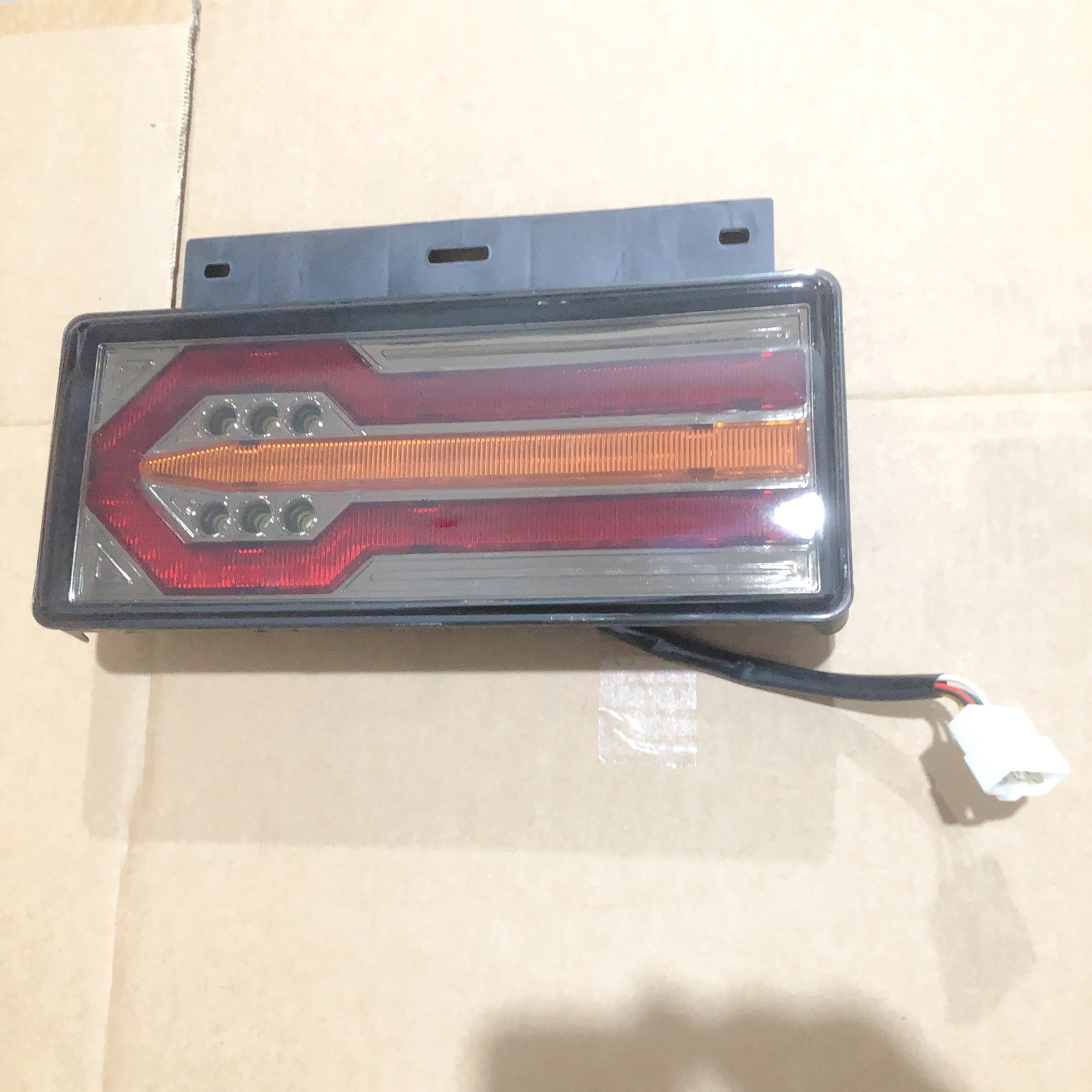
Commercial trucking operations face unique challenges when navigating diverse road conditions, from extreme weather to heavy-duty applications that demand reliable lighting systems. A high-quality truck tail light serves as a critical safety component that ensures visibility, compliance, and operational efficiency across all driving scenarios. Understanding the importance of selecting robust lighting solutions can significantly impact fleet safety, maintenance costs, and regulatory adherence in commercial transportation.
Engineering Excellence for Heavy-Duty Applications
Advanced Materials and Construction Standards
Modern truck tail light assemblies incorporate cutting-edge materials engineered specifically for commercial vehicle demands. High-impact polycarbonate housings provide superior resistance against road debris, temperature fluctuations, and chemical exposure commonly encountered in industrial environments. These materials undergo rigorous testing to ensure they maintain structural integrity under extreme conditions, including vibration stress from heavy loads and constant exposure to harsh elements.
The manufacturing process emphasizes precision molding and quality control measures that exceed standard automotive requirements. Advanced sealing technologies prevent moisture infiltration, while specialized coatings protect against UV degradation and corrosion. This comprehensive approach to material selection ensures that each truck tail light maintains optimal performance throughout its extended service life.
LED Technology Integration and Performance Benefits
Contemporary truck lighting systems leverage advanced LED technology that delivers exceptional brightness, energy efficiency, and longevity compared to traditional incandescent alternatives. LED arrays provide instant illumination without warm-up delays, ensuring immediate visibility activation during critical braking situations. The solid-state construction eliminates fragile filaments, significantly reducing failure rates in high-vibration commercial applications.
Energy consumption benefits extend beyond simple power savings, as LED truck tail light systems reduce alternator load and contribute to improved fuel efficiency. The extended operational lifespan of LED components minimizes maintenance intervals and reduces total cost of ownership for fleet operators managing multiple vehicles across demanding routes.
Regulatory Compliance and Safety Standards
Federal Motor Vehicle Safety Standards Adherence
Commercial vehicle lighting systems must comply with stringent Federal Motor Vehicle Safety Standards that govern brightness levels, color specifications, and visibility requirements. Professional-grade truck tail light assemblies undergo comprehensive testing to ensure full compliance with FMVSS 108 regulations, which establish mandatory performance criteria for all commercial vehicle lighting applications.
Certification processes involve extensive photometric testing, environmental durability assessments, and quality assurance protocols that validate each component's ability to meet or exceed regulatory expectations. This compliance framework provides fleet operators with confidence that their lighting systems will satisfy inspection requirements and maintain legal operation status across all jurisdictions.
International Standards and Global Market Requirements
Global commercial operations require lighting solutions that accommodate diverse international regulations and standards. High-quality truck tail light systems incorporate design flexibility that enables compliance with European ECE regulations, North American DOT requirements, and various regional specifications without compromising performance or reliability.
This international compatibility becomes particularly valuable for manufacturers and fleet operators involved in cross-border transportation or global supply chain management. Standardized mounting configurations and electrical specifications ensure seamless integration across different vehicle platforms and regulatory environments.
Durability Testing and Real-World Performance
Environmental Resistance and Weather Protection
Comprehensive environmental testing protocols evaluate truck tail light performance under extreme conditions that simulate real-world operational scenarios. Temperature cycling tests expose components to rapid transitions between freezing and high-heat conditions, while humidity chambers assess moisture resistance and condensation prevention capabilities.
Salt spray testing evaluates corrosion resistance for vehicles operating in coastal environments or winter road salt applications. These rigorous validation processes ensure that lighting systems maintain optimal functionality regardless of geographic location or seasonal challenges that commercial vehicles encounter during regular operations.
Vibration and Impact Resistance Specifications
Commercial vehicle applications subject lighting components to constant vibration and occasional impact forces that exceed passenger vehicle requirements. Specialized testing equipment simulates road shock, cargo loading stress, and operational vibrations to validate structural integrity and electrical connection reliability under demanding conditions.
Impact resistance testing involves controlled force application that evaluates housing strength and lens durability against stone chips, debris strikes, and minor collision scenarios. These comprehensive assessments ensure that truck tail light assemblies maintain protective capabilities and continue functioning even after exposure to typical road hazards.
Installation Compatibility and Maintenance Considerations
Universal Mounting Systems and Fitment Options
Professional truck tail light designs incorporate versatile mounting configurations that accommodate diverse vehicle platforms and retrofit applications. Standardized bolt patterns and electrical connections simplify installation procedures while ensuring secure attachment and reliable electrical contact across different chassis configurations.
Compatibility extends to various truck manufacturers and model years, providing fleet operators with flexibility in parts sourcing and maintenance planning. This universal approach reduces inventory requirements and simplifies technician training for maintenance personnel responsible for multiple vehicle types.
Preventive Maintenance and Service Life Optimization
Effective maintenance protocols maximize truck tail light service life and ensure consistent performance throughout operational cycles. Regular inspection schedules should include lens cleaning, electrical connection verification, and housing integrity assessments that identify potential issues before they impact safety or compliance status.
Replacement part availability and service support networks provide essential resources for maintaining optimal lighting system performance. Professional-grade components typically offer extended warranty coverage and technical support services that assist fleet operators in maximizing their lighting system investments while minimizing operational disruptions.
Cost-Effectiveness and Return on Investment
Total Cost of Ownership Analysis
Evaluating truck tail light investments requires comprehensive analysis of acquisition costs, installation expenses, maintenance requirements, and operational benefits over the component's expected service life. High-quality lighting systems typically demonstrate superior cost-effectiveness through reduced replacement frequency, lower maintenance demands, and improved energy efficiency.
Fleet operators benefit from detailed cost tracking that quantifies the financial impact of reliable lighting systems on overall operational expenses. TRUCK TAIL LIGHT components that offer extended service life and consistent performance provide measurable advantages in fleet management and budget planning.
Productivity Impact and Safety Benefits
Reliable lighting systems contribute to enhanced productivity through reduced downtime, fewer roadside emergencies, and improved driver confidence during challenging conditions. Safety benefits extend beyond accident prevention to include reduced insurance costs, improved driver retention, and enhanced company reputation for professional operations.
Quantifying these benefits requires consideration of direct cost savings and indirect advantages that reliable truck tail light systems provide to commercial operations. Professional fleet management recognizes that quality lighting investments contribute significantly to overall operational success and long-term sustainability.
FAQ
What factors determine truck tail light durability in harsh conditions
Durability depends on material quality, sealing effectiveness, LED component specifications, and manufacturing standards that address vibration resistance, temperature tolerance, and moisture protection. Professional-grade units undergo extensive environmental testing to validate performance under extreme conditions.
How do LED truck tail lights compare to traditional incandescent options
LED technology offers superior brightness, instant activation, extended lifespan, and reduced energy consumption compared to incandescent alternatives. The solid-state construction eliminates fragile filaments, providing better vibration resistance and reliability in commercial applications.
What regulatory standards apply to commercial vehicle tail lights
Commercial truck tail lights must comply with Federal Motor Vehicle Safety Standard 108, which establishes brightness requirements, color specifications, and visibility standards. International operations may require additional compliance with ECE regulations or regional standards.
How can fleet operators optimize truck tail light maintenance and replacement
Effective maintenance includes regular inspection schedules, proper cleaning procedures, electrical connection verification, and proactive replacement planning. Establishing relationships with reliable suppliers and maintaining appropriate inventory levels ensures minimal operational disruption during maintenance activities.