 EN
EN


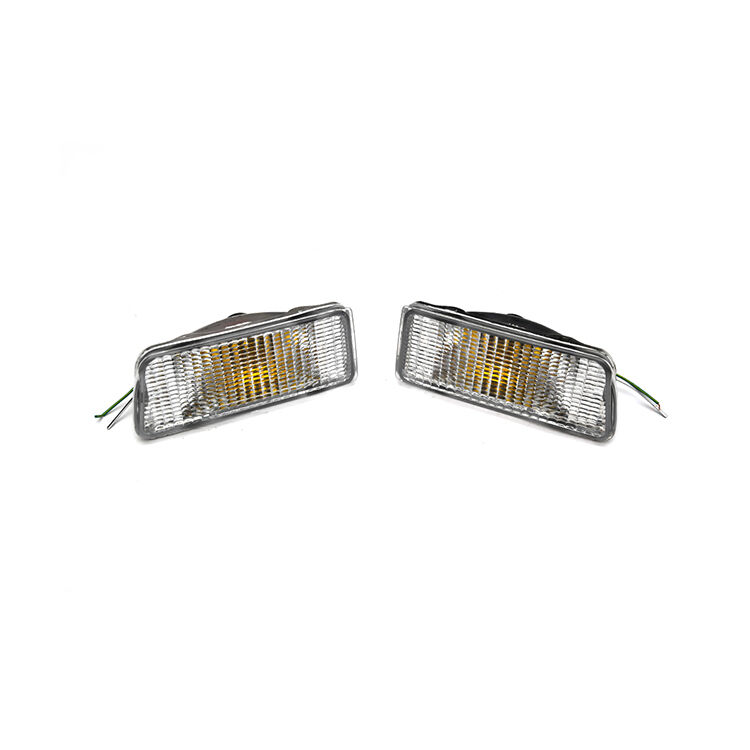
Modern commercial vehicles rely heavily on advanced lighting systems to ensure safety, compliance, and operational efficiency. The evolution of automotive lighting technology has transformed how drivers communicate with other road users, particularly during challenging driving conditions. Enhanced visibility and reliability have become paramount concerns for fleet operators and individual truck owners alike. Today's lighting solutions incorporate cutting-edge LED technology, smart circuitry, and durable construction materials that significantly outperform traditional incandescent bulbs.
The transportation industry continues to embrace technological innovations that enhance vehicle safety and reduce operational costs. Advanced lighting systems play a crucial role in accident prevention, regulatory compliance, and overall vehicle performance. Fleet managers increasingly recognize the importance of investing in high-quality lighting components that deliver long-term value and reliability. These improvements directly impact driver confidence, cargo protection, and insurance considerations across various commercial applications.
Enhanced Visibility and Safety Features
Superior Light Output and Clarity
Contemporary lighting systems deliver significantly brighter illumination compared to conventional alternatives, ensuring optimal visibility during adverse weather conditions. Advanced LED arrays produce consistent, uniform light distribution that penetrates fog, rain, and snow more effectively than traditional bulbs. The enhanced brightness levels help following vehicles maintain appropriate distances and react more quickly to braking or turning signals. This improved visibility directly contributes to reduced accident rates and enhanced road safety for all traffic participants.
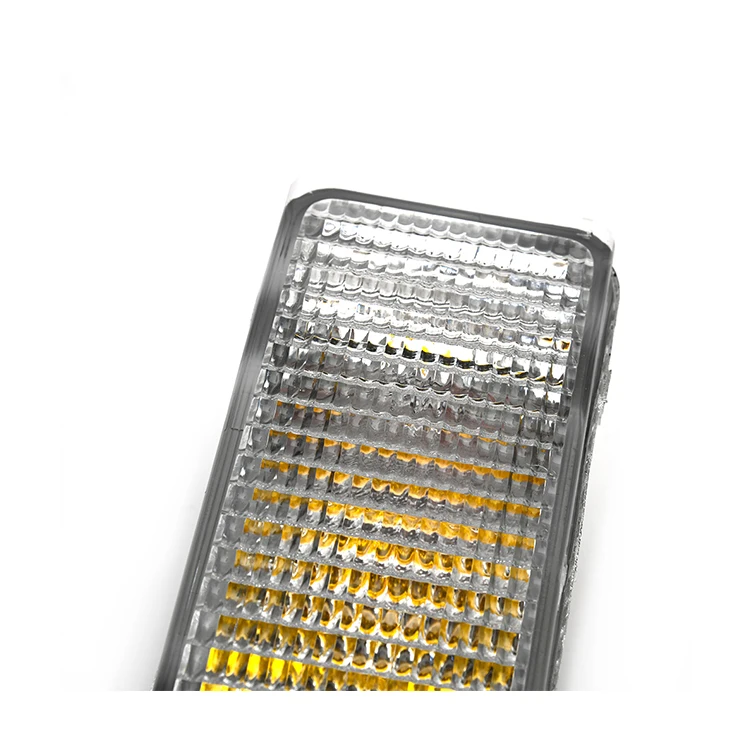
Modern designs incorporate sophisticated lens technologies that focus and direct light beams precisely where needed most. Multi-faceted reflector systems maximize light efficiency while minimizing glare that could potentially distract other drivers. The crystal-clear polycarbonate housings resist yellowing and cloudiness over time, maintaining optimal light transmission throughout the component's service life. These engineering improvements ensure consistent performance regardless of environmental conditions or extended operational periods.
Advanced Warning Capabilities
Smart lighting systems now integrate multiple warning functions into compact, streamlined designs that enhance overall vehicle aesthetics. Sequential turn signals provide clear directional indicators that are more easily interpreted by surrounding traffic participants. Emergency flasher modes offer high-visibility warning patterns during roadside maintenance or breakdown situations. These multi-functional capabilities reduce the need for additional warning equipment while improving overall communication effectiveness.
Programmable lighting patterns allow customization for specific operational requirements or regional regulatory compliance needs. Variable intensity settings enable drivers to adjust brightness levels based on ambient conditions or cargo sensitivity requirements. Integrated diagnostics systems continuously monitor performance and alert operators to potential maintenance needs before failures occur. This proactive approach minimizes unexpected downtime and ensures consistent safety performance across diverse operating environments.
Energy Efficiency and Environmental Benefits
Reduced Power Consumption
LED technology consumes significantly less electrical power than traditional incandescent bulbs while producing superior light output levels. This efficiency translates to reduced alternator load, improved fuel economy, and extended battery life in both conventional and hybrid vehicle platforms. The lower power requirements also enable the integration of additional electrical accessories without compromising overall system performance. Fleet operators report measurable fuel savings when upgrading to energy-efficient lighting solutions across their vehicle inventories.
Reduced electrical load also minimizes heat generation within lighting assemblies, contributing to improved component longevity and reduced cooling requirements. Lower operating temperatures prevent thermal damage to surrounding vehicle components and reduce the risk of premature seal failures. The cooler operation also allows for more compact housing designs that integrate seamlessly with modern aerodynamic vehicle profiles. These thermal management improvements contribute to overall vehicle reliability and reduced maintenance requirements.
Environmental Impact Reduction
Modern lighting systems contribute to environmental sustainability through extended service life and recyclable component materials. LED arrays typically operate for 50,000 hours or more, significantly reducing replacement frequency and associated waste generation. The absence of toxic materials like mercury makes disposal safer and more environmentally responsible. Manufacturing processes for LED components also require less energy and produce fewer emissions compared to traditional lighting production methods.
Improved fuel efficiency resulting from reduced electrical loads contributes to lower carbon emissions across fleet operations. The extended replacement intervals reduce transportation and packaging waste associated with frequent maintenance cycles. Many manufacturers now offer recycling programs for end-of-life lighting components, further minimizing environmental impact. These sustainability benefits align with corporate environmental responsibility goals and increasingly stringent emissions regulations.
Durability and Maintenance Advantages
Extended Service Life
Advanced construction techniques and materials enable modern lighting systems to withstand harsh operating conditions without performance degradation. Sealed housings protect internal components from moisture, dust, and corrosive substances commonly encountered in commercial applications. Shock-resistant designs maintain functionality despite constant vibration and impact forces experienced during normal vehicle operation. The robust construction significantly extends operational life compared to traditional lighting alternatives.
Quality manufacturers utilize automotive-grade materials and rigorous testing procedures to ensure consistent performance across diverse operating environments. Temperature cycling tests verify reliable operation in extreme heat and cold conditions typical of commercial transportation routes. Salt spray and humidity testing confirm corrosion resistance in coastal or winter maintenance chemical environments. These comprehensive validation processes ensure reliable performance throughout the component's extended service life.
Reduced Maintenance Requirements
The elimination of fragile filaments and complex mechanical components reduces failure modes and maintenance interventions. Solid-state LED technology provides consistent performance without the gradual degradation associated with incandescent bulbs. Integrated heat management systems prevent thermal stress that commonly causes premature component failures. This reliability translates to reduced maintenance costs and improved vehicle availability for revenue-generating activities.
Simplified installation procedures reduce labor costs and minimize vehicle downtime during replacement activities. Many modern units feature plug-and-play connectivity that eliminates complex wiring modifications or extensive disassembly requirements. Standardized mounting configurations ensure compatibility across multiple vehicle models and years. These maintenance efficiencies particularly benefit fleet operations where minimizing service time directly impacts operational profitability.
Regulatory Compliance and Legal Considerations
Meeting Current Safety Standards
Contemporary lighting systems are engineered to meet or exceed current Department of Transportation regulations and international safety standards. Certified photometric performance ensures compliance with visibility requirements across various jurisdictions and operating conditions. Proper certification markings indicate third-party validation of safety and performance characteristics. This compliance protection helps fleet operators avoid costly violations and potential liability issues related to inadequate lighting performance.
Regular updates to safety regulations often require enhanced lighting capabilities that modern systems readily accommodate through programmable features. Standardized connector systems facilitate compliance upgrades without extensive vehicle modifications. Documentation packages provide necessary certification records for regulatory inspections and insurance requirements. This regulatory alignment protects operators from enforcement actions while ensuring optimal safety performance across diverse operating environments.
Future-Proofing Considerations
Investment in advanced lighting technology provides protection against evolving regulatory requirements and safety standards. Modular designs enable feature updates through software modifications rather than complete hardware replacement. Smart connectivity options support integration with emerging vehicle communication systems and autonomous driving technologies. This forward compatibility helps protect lighting investments as transportation technology continues to evolve rapidly.
Manufacturers increasingly design products with upgrade pathways that extend useful life beyond initial specifications. Field-programmable features allow customization for new requirements without physical modifications. Integration capabilities support emerging technologies like vehicle-to-vehicle communication and automated fleet management systems. These future-ready features help maximize return on lighting system investments while maintaining regulatory compliance over extended operational periods.
Cost-Benefit Analysis and Return on Investment
Initial Investment Considerations
While modern lighting systems typically require higher initial investment compared to basic alternatives, the total cost of ownership often favors advanced technology solutions. Reduced maintenance frequency, extended service life, and improved fuel efficiency contribute to positive return on investment calculations. Fleet operators should consider lifecycle costs rather than simply comparing purchase prices when evaluating lighting upgrades. Professional cost-benefit analysis tools help quantify the financial advantages of investing in quality lighting solutions.
Financing options and bulk purchasing programs help offset initial costs while enabling immediate operational benefits. Many suppliers offer performance guarantees and extended warranties that reduce financial risk associated with technology upgrades. Insurance premium reductions may be available for vehicles equipped with advanced safety equipment, including modern lighting systems. These financial considerations often make advanced lighting upgrades financially attractive even for cost-conscious operators.
Long-term Operational Savings
Reduced maintenance costs represent the most significant operational savings associated with modern lighting technology upgrades. Extended replacement intervals reduce labor costs, parts inventory requirements, and vehicle downtime expenses. Improved reliability minimizes emergency repairs and roadside service calls that can be particularly costly during critical delivery schedules. These operational efficiencies compound over time, creating substantial cumulative savings across fleet operations.
Energy efficiency improvements contribute to fuel savings that accumulate significantly over high-mileage commercial applications. Reduced alternator load translates to measurable fuel consumption reductions, particularly during extensive idle periods common in urban delivery operations. Lower electrical system stress also extends alternator and battery service life, reducing additional maintenance expenses. A quality TRUCK TAIL LIGHT system delivers these efficiency benefits while maintaining superior safety performance throughout its extended service life.
Installation and Integration Considerations
Professional Installation Requirements
Modern lighting systems often require professional installation to ensure proper functionality, warranty compliance, and safety performance. Qualified technicians understand electrical system integration requirements and can identify potential compatibility issues before they cause operational problems. Professional installation also ensures proper sealing, mounting, and wire routing that prevents premature failures due to environmental exposure. Many manufacturers require professional installation for warranty coverage, making qualified service essential for protecting lighting investments.
Certified installers have access to specialized tools, diagnostic equipment, and technical support resources that enable efficient, reliable installations. They understand vehicle-specific requirements and can recommend complementary accessories or system modifications that enhance overall performance. Professional installation documentation provides necessary records for warranty claims and regulatory compliance verification. This expertise helps ensure optimal system performance while protecting the investment through proper installation procedures.
System Integration and Compatibility
Modern vehicles incorporate sophisticated electrical management systems that require careful consideration during lighting upgrades. Advanced lighting systems must integrate properly with existing vehicle networks to avoid interference with other electronic systems. Compatibility verification prevents costly troubleshooting and ensures reliable operation across all vehicle functions. Professional assessment helps identify potential integration challenges and develops appropriate solutions before installation begins.
Smart lighting systems often require programming and calibration to optimize performance for specific vehicle configurations and operational requirements. Integration with fleet management systems enables remote monitoring and diagnostic capabilities that enhance maintenance efficiency. Proper system configuration ensures maximum benefit from advanced features while maintaining compatibility with existing operational procedures. This integration expertise helps maximize the value of lighting system investments while ensuring seamless operational integration.
FAQ
How long do modern truck tail lights typically last compared to traditional bulbs
Modern LED truck tail lights typically operate for 50,000 hours or more, which translates to approximately 10-15 years of normal commercial use. This represents a significant improvement over traditional incandescent bulbs that typically last only 1,000-2,000 hours. The extended service life results from solid-state LED technology that eliminates fragile filaments and reduces failure modes. This longevity dramatically reduces replacement frequency and associated maintenance costs over the vehicle's operational life.
What are the main energy savings benefits of upgrading to LED tail lights
LED tail light systems consume approximately 80% less electrical power than equivalent incandescent systems while producing superior light output. This efficiency reduces alternator load, contributing to improved fuel economy and extended battery life. The power savings also enable additional electrical accessories without compromising system performance. Fleet operators typically report measurable fuel savings and reduced electrical system maintenance when upgrading to LED lighting technology across their vehicle inventories.
Are modern truck tail lights compatible with older vehicle electrical systems
Most modern truck tail light systems are designed with backward compatibility features that enable installation on older vehicles with minimal modifications. However, some advanced features like programmable functions or diagnostic capabilities may require additional interface modules or wiring modifications. Professional assessment helps determine compatibility requirements and identifies any necessary system modifications. Qualified installers can usually integrate modern lighting systems with older vehicles while maintaining full functionality and safety compliance.
What regulatory standards do modern truck tail lights need to meet
Modern truck tail lights must comply with Department of Transportation Federal Motor Vehicle Safety Standards, including photometric performance requirements for visibility and beam patterns. International operations may require additional certifications like ECE or SAE standards depending on operating jurisdictions. Certified products display proper markings indicating compliance with applicable standards and third-party validation of performance characteristics. This certification helps ensure legal compliance while protecting operators from potential liability issues related to inadequate lighting performance.
Table of Contents
- Enhanced Visibility and Safety Features
- Energy Efficiency and Environmental Benefits
- Durability and Maintenance Advantages
- Regulatory Compliance and Legal Considerations
- Cost-Benefit Analysis and Return on Investment
- Installation and Integration Considerations
-
FAQ
- How long do modern truck tail lights typically last compared to traditional bulbs
- What are the main energy savings benefits of upgrading to LED tail lights
- Are modern truck tail lights compatible with older vehicle electrical systems
- What regulatory standards do modern truck tail lights need to meet