 EN
EN


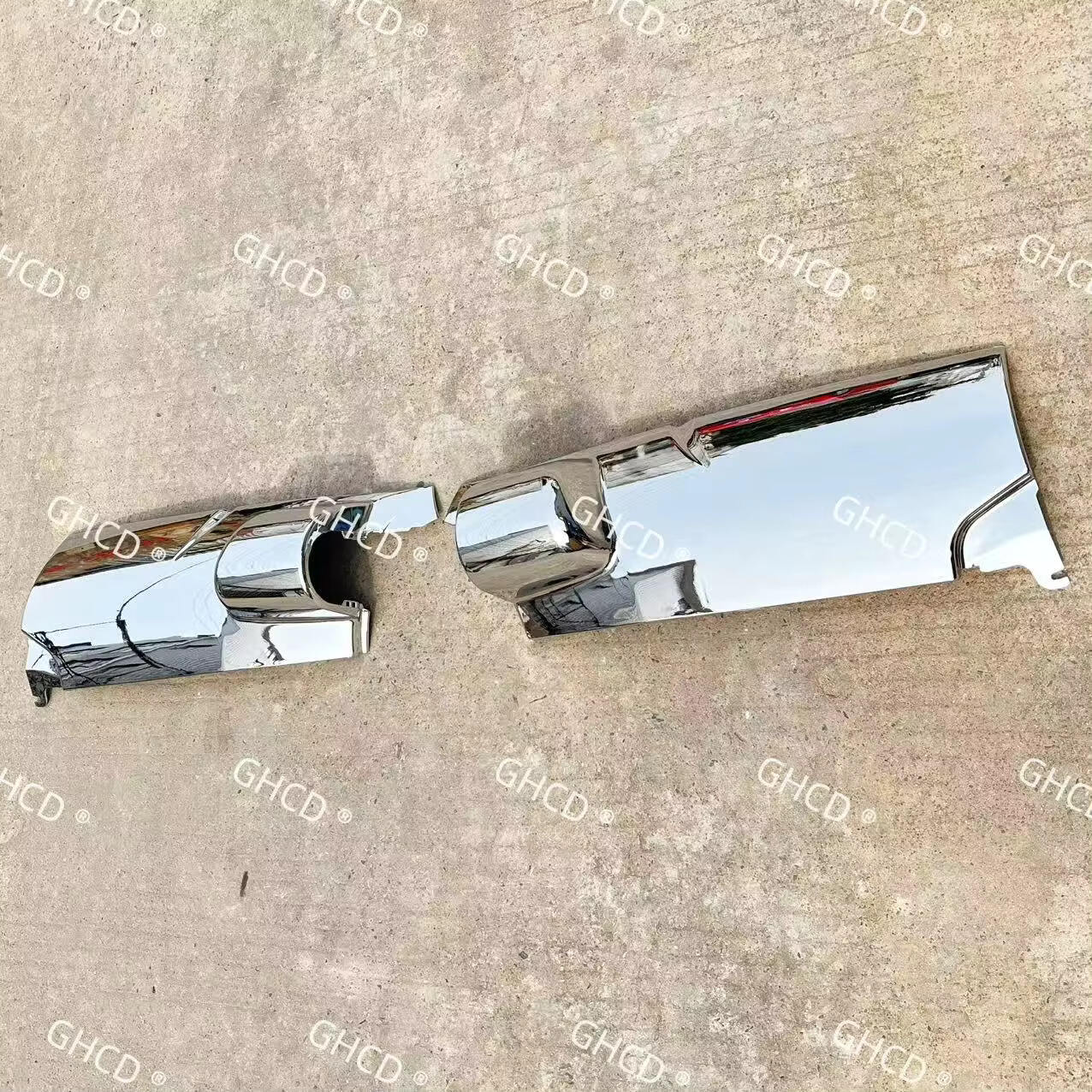
Modern commercial vehicles rely heavily on advanced lighting systems to ensure safe operations during night-time driving conditions. Professional drivers and fleet managers understand that visibility plays a crucial role in preventing accidents and maintaining operational efficiency. Advanced lighting technology has transformed how commercial vehicles communicate with other road users, particularly through sophisticated illumination systems that enhance safety protocols across various driving scenarios.
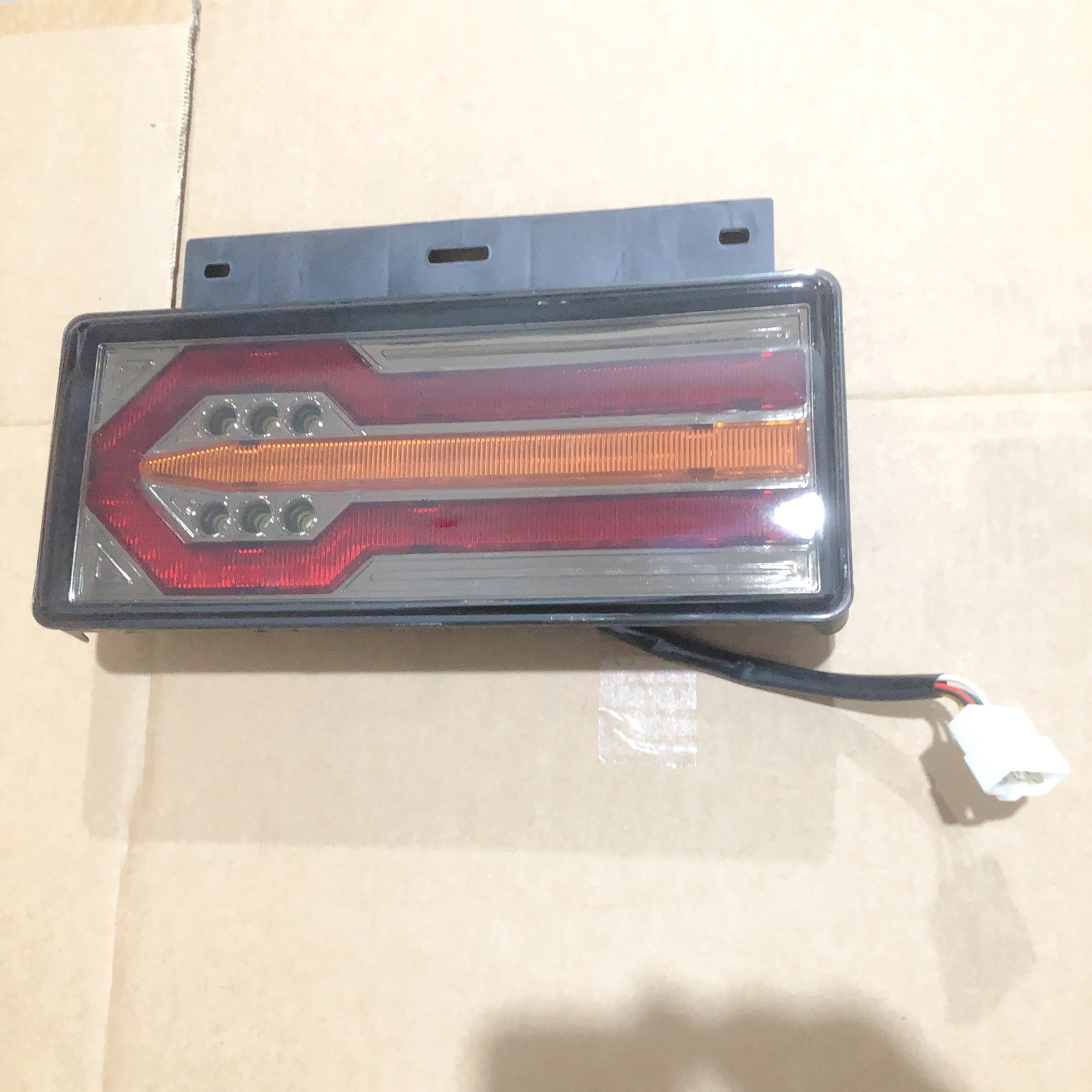
The evolution of vehicular lighting systems has brought remarkable improvements to road safety standards. Contemporary truck tail light assemblies incorporate cutting-edge LED technology, enhanced durability features, and intelligent control systems that significantly outperform traditional incandescent alternatives. These technological advances directly impact driver safety, vehicle visibility, and overall transportation efficiency during challenging lighting conditions.
Fleet operators increasingly recognize the importance of investing in high-quality lighting solutions that meet stringent safety regulations while providing long-term operational benefits. Advanced tail light systems offer superior performance characteristics that extend beyond basic illumination, incorporating features such as adaptive brightness control, weather resistance, and extended operational lifespan that contribute to reduced maintenance costs and improved vehicle reliability.
Enhanced Visibility Technology in Modern Tail Light Systems
LED Integration and Brightness Optimization
Light-emitting diode technology has revolutionized commercial vehicle lighting applications by delivering superior brightness levels while consuming significantly less electrical power compared to traditional alternatives. Modern LED-based truck tail light assemblies produce consistent, high-intensity illumination that remains clearly visible across extended distances, even in adverse weather conditions such as fog, rain, or snow.
The precise light distribution patterns achieved through LED technology ensure optimal visibility angles that enhance safety protocols for following vehicles. Advanced optical design elements concentrate light output in specific directions, maximizing effectiveness while minimizing power consumption and heat generation that can compromise component longevity.
Professional drivers report significant improvements in rear visibility when operating vehicles equipped with modern LED tail light systems. The instantaneous illumination response time of LED technology provides crucial safety advantages during emergency braking situations, giving following drivers additional reaction time that can prevent rear-end collisions.
Weather Resistance and Durability Features
Contemporary tail light assemblies incorporate advanced sealing technologies and robust housing materials designed to withstand harsh environmental conditions encountered in commercial transportation applications. Premium-grade polycarbonate lenses and aluminum housing components provide exceptional resistance to impact damage, chemical exposure, and temperature fluctuations that commonly affect vehicle lighting systems.
Moisture ingress protection represents a critical design consideration in modern truck tail light construction. Advanced sealing gaskets and drainage systems prevent water accumulation that can cause electrical failures, corrosion damage, and reduced light output that compromises safety performance.
Vibration resistance capabilities ensure reliable operation even when vehicles operate over rough terrain or carry heavy loads that generate significant mechanical stress. Reinforced mounting systems and shock-absorbing design elements maintain proper light alignment and prevent premature component failure that can result in costly maintenance requirements.
Safety Enhancement Through Advanced Illumination Patterns
Multi-Function Lighting Integration
Modern commercial vehicle lighting systems integrate multiple functions within single housing assemblies, combining tail lights, brake lights, turn signals, and hazard warning capabilities in streamlined designs that improve both functionality and aesthetic appeal. This integration approach reduces installation complexity while providing comprehensive visibility solutions that meet regulatory requirements across different jurisdictions.
Sequential turn signal activation patterns provide enhanced directional indication that captures attention more effectively than traditional simultaneous illumination methods. These dynamic lighting sequences create distinctive visual signatures that help other drivers quickly identify intended vehicle movements, particularly beneficial during lane changes and intersection navigation in heavy traffic conditions.
Adaptive brightness control systems automatically adjust light intensity based on ambient conditions, ensuring optimal visibility without creating excessive glare that can impair the vision of following drivers. Smart sensors monitor environmental lighting levels and vehicle operational status to optimize illumination patterns for specific driving scenarios.
Communication and Warning Systems
Advanced TRUCK TAIL LIGHT assemblies incorporate sophisticated communication protocols that provide clear visual signals to surrounding traffic participants. Emergency flasher patterns, brake light intensity modulation, and hazard warning sequences deliver critical safety information that helps prevent accidents and improves traffic flow efficiency.
Programmable flash patterns allow fleet operators to customize warning sequences based on specific operational requirements or regulatory compliance needs. These customization capabilities ensure that vehicles maintain appropriate visibility profiles while adhering to local transportation safety standards that may vary between different operating regions.
Integration with vehicle telematics systems enables remote monitoring of lighting system performance, allowing fleet managers to identify maintenance requirements before component failures occur. Predictive maintenance capabilities reduce unexpected downtime and ensure continuous compliance with safety regulations that govern commercial vehicle operations.
Energy Efficiency and Operational Cost Benefits
Power Consumption Optimization
LED-based truck tail light systems consume substantially less electrical power compared to incandescent alternatives, reducing strain on vehicle electrical systems and improving fuel efficiency through decreased alternator load. This energy efficiency translates directly into operational cost savings that accumulate significantly over extended service periods, particularly beneficial for high-mileage commercial applications.
Reduced power consumption allows vehicle electrical systems to allocate more capacity to other essential functions such as climate control, communication equipment, and auxiliary power requirements without compromising lighting performance. This improved electrical efficiency contributes to overall vehicle reliability and reduces the likelihood of electrical system overloads that can cause operational disruptions.
Smart power management features automatically optimize energy consumption based on operational requirements, ensuring that lighting systems provide adequate performance while minimizing unnecessary power draw during extended idle periods or low-visibility conditions that require enhanced illumination levels.
Maintenance and Service Life Advantages
Modern truck tail light assemblies offer significantly extended service life compared to traditional lighting technologies, reducing replacement frequency and associated maintenance costs. LED components typically provide operational lifespans exceeding 50,000 hours under normal operating conditions, representing substantial cost savings compared to incandescent bulbs that require frequent replacement.
Reduced maintenance requirements minimize vehicle downtime associated with lighting system repairs and replacements. Fleet operators report significant reductions in service interruptions and associated productivity losses when operating vehicles equipped with advanced lighting technologies that provide reliable long-term performance.
Standardized mounting interfaces and plug-and-play installation procedures simplify maintenance operations and reduce service time requirements. Technician training requirements are minimized through intuitive installation processes that reduce the likelihood of installation errors that can compromise system performance or reliability.
Regulatory Compliance and Industry Standards
Safety Certification Requirements
Commercial vehicle lighting systems must comply with comprehensive regulatory standards established by transportation safety authorities to ensure adequate performance under various operating conditions. Modern truck tail light assemblies undergo rigorous testing procedures that verify compliance with brightness specifications, durability requirements, and environmental resistance standards that govern commercial vehicle applications.
International harmonization of lighting standards enables fleet operators to maintain consistent safety profiles across different geographic regions while simplifying compliance management requirements. Standardized performance criteria ensure that vehicles meet safety expectations regardless of operational jurisdiction, reducing regulatory complexity for multinational transportation operations.
Documentation and certification processes provide verifiable compliance records that support regulatory inspections and insurance requirements. Proper certification ensures that vehicle operators maintain legal compliance while protecting against liability issues that can arise from inadequate lighting performance or non-compliant equipment installations.
Future-Proofing Technology Investments
Emerging regulatory trends increasingly emphasize advanced safety technologies and environmental sustainability considerations that favor LED-based lighting solutions. Investment in modern truck tail light systems provides long-term compliance assurance as regulations continue evolving toward higher performance standards and reduced environmental impact requirements.
Modular design approaches enable system upgrades and feature additions without requiring complete lighting system replacement. This upgradeability protects technology investments while allowing fleet operators to incorporate new features and capabilities as they become available or required by changing regulatory standards.
Integration capabilities with emerging vehicle technologies such as autonomous driving systems and vehicle-to-infrastructure communication platforms position advanced lighting systems as essential components of next-generation transportation safety architectures that will define future commercial vehicle operations.
Installation and Integration Considerations
Professional Installation Best Practices
Proper installation procedures ensure optimal performance and longevity of advanced truck tail light systems. Professional installation techniques include appropriate wiring harness connections, secure mounting procedures, and comprehensive system testing that verifies all functions operate correctly under various conditions. Qualified technicians understand the importance of following manufacturer specifications and industry best practices that prevent premature failures and ensure reliable operation.
Electrical system compatibility assessment prevents integration issues that can compromise lighting performance or cause damage to vehicle electrical components. Professional installers evaluate existing wiring infrastructure, fusing requirements, and control module compatibility to ensure seamless integration with vehicle systems without creating reliability concerns or safety hazards.
Quality assurance testing procedures verify proper operation of all lighting functions, including illumination patterns, brightness levels, and response timing characteristics. Comprehensive testing protocols identify potential issues before vehicles return to service, preventing safety hazards and ensuring compliance with operational requirements.
System Integration and Compatibility
Modern truck tail light systems integrate with vehicle control networks through standardized communication protocols that enable advanced functionality such as automatic illumination control, diagnostic monitoring, and remote system management. These integration capabilities provide fleet operators with comprehensive visibility into lighting system performance and maintenance requirements.
Compatibility with existing vehicle electronics ensures that lighting upgrades do not interfere with other systems such as engine controls, transmission management, or safety systems that depend on electrical stability and proper signal integrity. Professional assessment of system compatibility prevents integration issues that can compromise vehicle performance or safety.
Scalable installation approaches accommodate different vehicle configurations and operational requirements while maintaining consistent performance characteristics across diverse fleet applications. Flexible mounting options and configurable control settings enable customization for specific operational needs without compromising safety or compliance standards.
FAQ
What are the main advantages of LED truck tail lights over traditional incandescent bulbs
LED truck tail lights offer numerous advantages including significantly longer service life (typically 50,000+ hours), reduced power consumption that improves fuel efficiency, instant illumination response for enhanced safety, superior brightness and visibility in adverse weather conditions, and reduced maintenance costs due to their durability and resistance to vibration and environmental factors. These benefits make LED technology the preferred choice for commercial vehicle applications.
How do advanced tail light systems improve safety during night-time driving
Advanced tail light systems enhance night-time driving safety through improved visibility at greater distances, instant illumination response during emergency braking situations, adaptive brightness control that optimizes visibility without creating glare, sequential turn signal patterns that provide clearer directional indication, and integrated warning systems that communicate vehicle status to surrounding traffic. These features collectively reduce accident risk and improve overall road safety.
What maintenance considerations apply to modern truck tail light systems
Modern truck tail light systems require minimal maintenance compared to traditional alternatives, primarily involving periodic cleaning to maintain optimal light output, regular inspection of mounting hardware and sealing integrity, verification of electrical connections, and monitoring of any diagnostic indicators that may signal maintenance needs. The extended service life of LED components significantly reduces replacement frequency and associated maintenance costs.
How do regulatory standards affect truck tail light selection and installation
Regulatory standards establish minimum performance requirements for brightness levels, beam patterns, durability, and environmental resistance that commercial vehicle lighting systems must meet. Proper selection involves choosing certified products that comply with applicable regulations in operating jurisdictions, while installation must follow prescribed procedures to maintain certification validity. Compliance documentation and regular inspections ensure continued regulatory adherence and legal operation.
Table of Contents
- Enhanced Visibility Technology in Modern Tail Light Systems
- Safety Enhancement Through Advanced Illumination Patterns
- Energy Efficiency and Operational Cost Benefits
- Regulatory Compliance and Industry Standards
- Installation and Integration Considerations
-
FAQ
- What are the main advantages of LED truck tail lights over traditional incandescent bulbs
- How do advanced tail light systems improve safety during night-time driving
- What maintenance considerations apply to modern truck tail light systems
- How do regulatory standards affect truck tail light selection and installation