 EN
EN


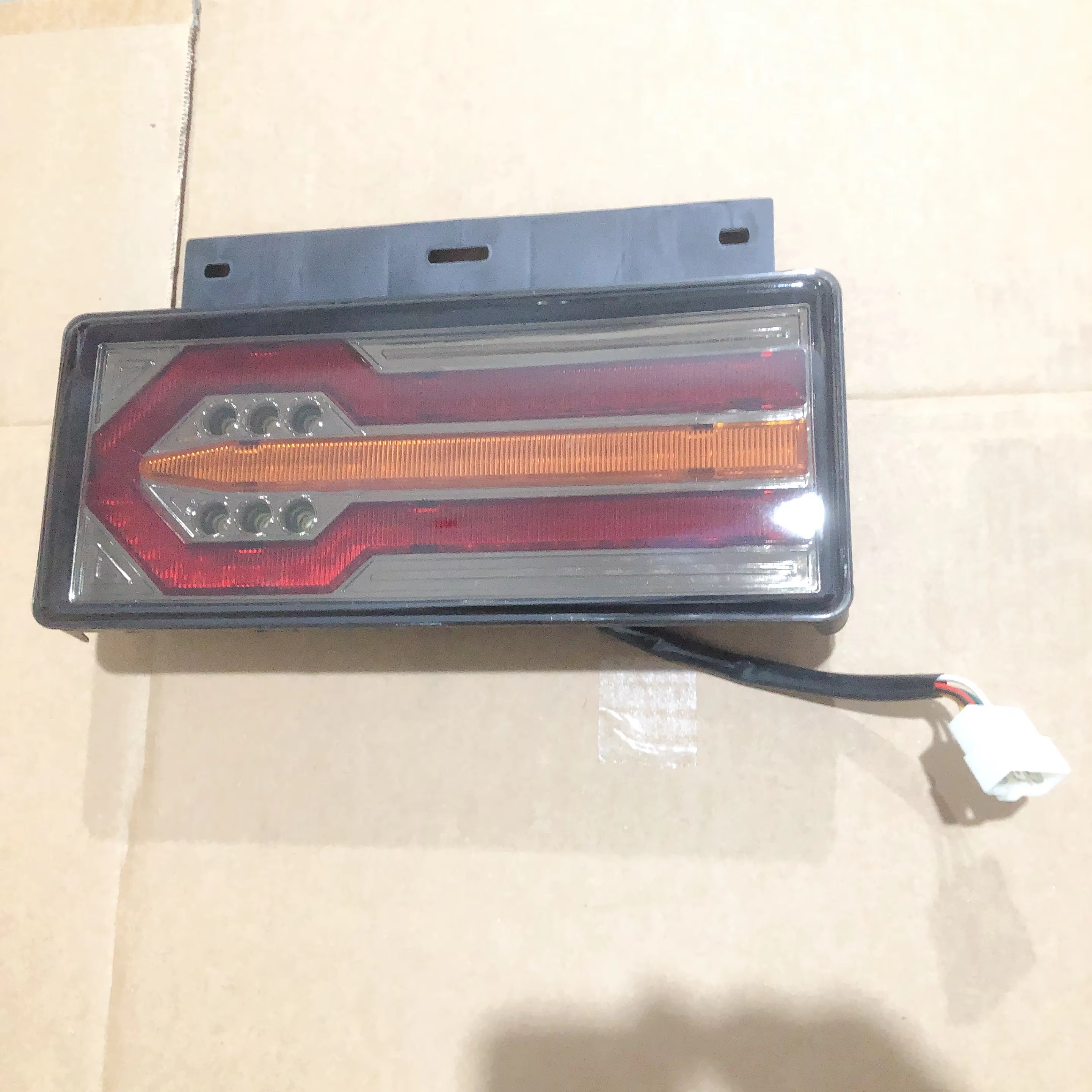
Commercial truck operations face numerous safety challenges on modern roadways, but few components are as crucial for preventing accidents as proper lighting systems. The visibility of large commercial vehicles directly impacts road safety for all drivers, making effective illumination systems a critical investment for fleet operators and individual truck owners. When considering the essential safety equipment for heavy-duty vehicles, the truck tail light stands out as one of the most vital components for accident prevention and regulatory compliance.
The importance of truck lighting systems extends far beyond basic functionality, encompassing legal requirements, insurance considerations, and corporate responsibility. Fleet managers and owner-operators must understand the comprehensive impact that quality lighting solutions have on their operations. From reducing liability exposure to improving driver confidence during nighttime operations, the benefits of investing in superior truck tail light systems create measurable value across multiple operational areas.
Modern trucking environments present unique visibility challenges that require advanced lighting solutions. Urban environments with complex traffic patterns, rural highways with limited ambient lighting, and varying weather conditions all demand reliable illumination systems. The evolution of lighting technology has provided truck operators with increasingly sophisticated options that enhance safety while reducing maintenance requirements and operational costs.
Essential Safety Functions of Commercial Vehicle Lighting
Collision Prevention Through Enhanced Visibility
The primary safety function of truck lighting systems involves making large commercial vehicles visible to other road users under all operating conditions. Research conducted by transportation safety organizations consistently demonstrates that improved vehicle visibility directly correlates with reduced accident rates. Commercial vehicles equipped with high-quality lighting systems experience significantly fewer rear-end collisions, which represent the most common type of truck-involved accidents.
Effective truck tail light systems provide multiple layers of visibility enhancement. The combination of steady-burn lights, turn signals, brake lights, and hazard warning systems creates a comprehensive communication network between the truck and surrounding traffic. This multi-functional approach ensures that other drivers can accurately interpret the truck's intentions and position, even under challenging visibility conditions.
Statistical analysis from highway safety departments shows that trucks with properly functioning lighting systems are involved in 35% fewer nighttime accidents compared to vehicles with inadequate or malfunctioning lights. This dramatic difference highlights the critical importance of maintaining and upgrading truck lighting systems as a core safety investment.
Weather-Related Visibility Challenges
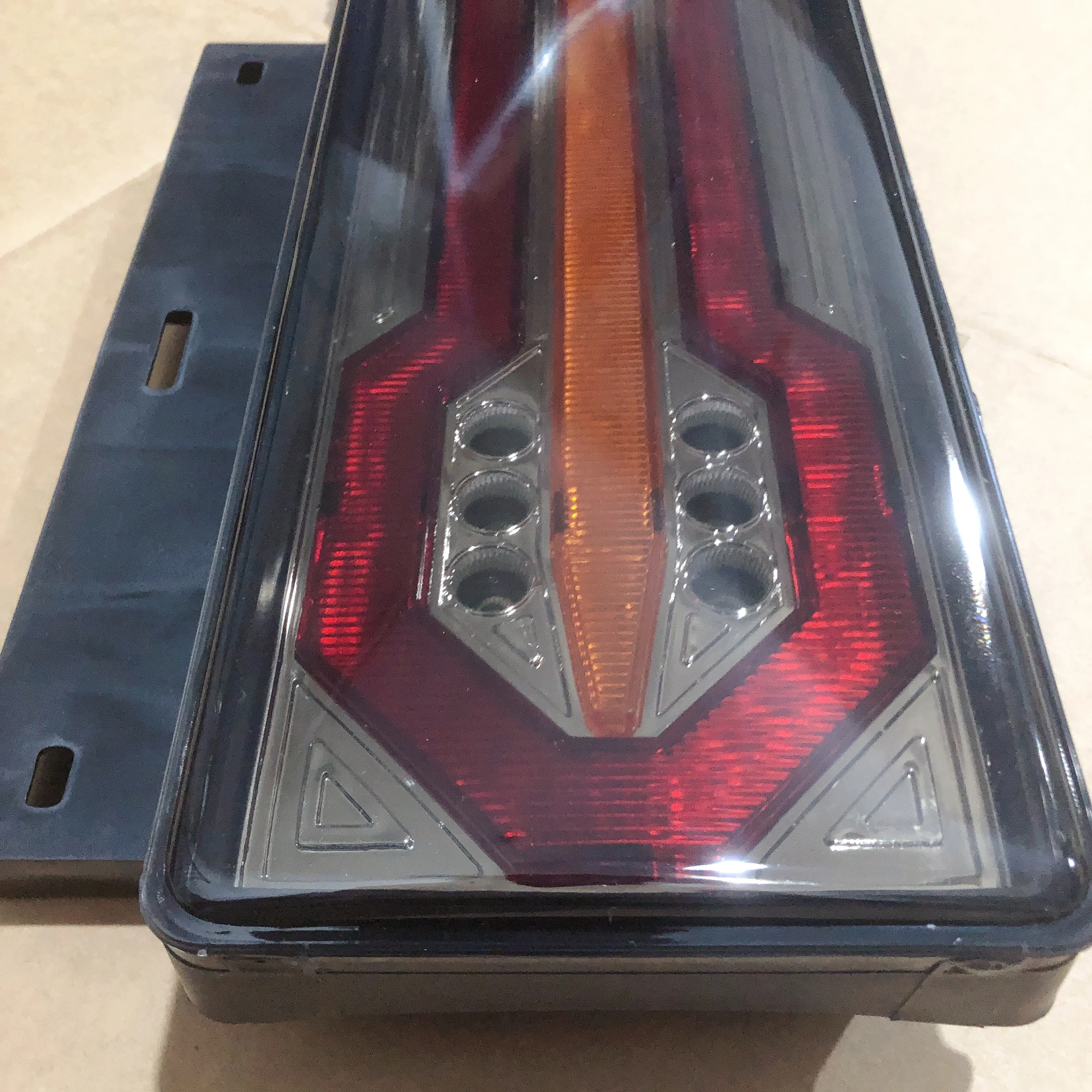
Adverse weather conditions create some of the most dangerous driving scenarios for commercial vehicles, making reliable lighting systems absolutely essential for safe operations. Rain, snow, fog, and dust storms can dramatically reduce visibility distances, requiring truck lighting systems to perform beyond normal operating parameters. Modern truck tail light technology incorporates advanced optics and LED systems that maintain effectiveness even when visibility is severely compromised.
Professional drivers report that upgraded lighting systems provide crucial advantages during weather-related challenges. Enhanced light penetration through precipitation, improved contrast against overcast skies, and reduced glare effects help maintain safe following distances and lane positioning. These benefits translate directly into reduced accident rates and improved operational efficiency during adverse weather conditions.
Fleet operators who invest in weather-resistant truck tail light systems often observe measurable improvements in driver confidence and operational uptime. The ability to maintain normal operating schedules during marginal weather conditions provides competitive advantages while maintaining safety standards. This operational flexibility becomes particularly valuable for time-sensitive deliveries and scheduled route operations.
Regulatory Compliance and Legal Requirements
Federal Motor Carrier Safety Administration Standards
Commercial vehicle lighting systems must comply with comprehensive federal regulations that specify minimum performance standards, positioning requirements, and maintenance protocols. The Federal Motor Carrier Safety Administration maintains detailed specifications for truck lighting systems, including specific requirements for truck tail light brightness, color, and positioning. These regulations ensure consistent safety standards across all commercial vehicle operations.
Compliance with federal lighting standards protects fleet operators from regulatory violations that can result in substantial fines, vehicle out-of-service orders, and increased insurance premiums. Regular inspection and maintenance of lighting systems demonstrates commitment to safety compliance and helps maintain clean safety records. Professional fleet managers implement systematic lighting inspection protocols to ensure continuous compliance with evolving regulatory requirements.
The consequences of non-compliance extend beyond immediate regulatory penalties to include potential liability issues in accident situations. Insurance companies and legal proceedings often examine lighting system compliance as a factor in determining fault and assessing damages. Maintaining superior lighting standards provides protection against these potential liabilities while demonstrating professional operational practices.
State and Local Lighting Regulations
In addition to federal requirements, commercial vehicles must comply with varying state and local lighting regulations that can impose additional specifications or restrictions. Some jurisdictions require specific lighting configurations for oversize loads, hazardous materials transport, or urban delivery operations. Understanding and complying with these varied requirements requires ongoing attention to regulatory updates and route-specific compliance strategies.
Professional fleet management includes tracking regulatory variations across operating territories and ensuring that all vehicles meet the most stringent requirements they may encounter. This proactive approach prevents compliance issues and ensures smooth operations across multiple jurisdictions. Many fleet operators choose lighting systems that exceed minimum requirements to ensure universal compliance regardless of operating location.
Regular training for drivers and maintenance personnel on lighting regulation compliance helps maintain consistent standards across the entire fleet. This education includes proper inspection procedures, maintenance protocols, and documentation requirements that support ongoing compliance efforts. Investment in compliance training often pays dividends through reduced violations and improved safety records.
Advanced LED Technology Benefits
Energy Efficiency and Electrical System Protection
Modern LED truck tail light systems provide substantial advantages over traditional incandescent bulbs in terms of energy consumption, heat generation, and electrical system impact. LED technology typically consumes 80% less electrical power while producing superior light output, reducing strain on alternators and battery systems. This efficiency improvement becomes particularly important for trucks with extensive auxiliary equipment that places high demands on electrical systems.
The reduced heat generation of LED lighting systems helps protect surrounding components from thermal damage and extends the operational life of electrical connections. Traditional incandescent bulbs generate significant heat that can degrade wiring harnesses, connector seals, and nearby plastic components. LED systems eliminate these heat-related maintenance issues while providing more reliable long-term performance.
Fleet operators report measurable fuel savings from LED lighting conversions due to reduced electrical load on engine-driven alternators. While individual savings may seem modest, the cumulative effect across large fleets and extended operating periods creates substantial cost benefits. These efficiency gains support environmental sustainability goals while improving operational profitability.
Durability and Maintenance Advantages
LED truck tail light systems demonstrate exceptional durability under the harsh operating conditions common in commercial trucking applications. Resistance to vibration, shock, temperature extremes, and moisture exposure makes LED technology ideal for long-haul operations and demanding work environments. The solid-state construction of LED systems eliminates the fragile filaments and glass components that make traditional bulbs vulnerable to failure.
Maintenance requirements for LED lighting systems are dramatically reduced compared to conventional alternatives. The typical operational life of quality LED truck tail light assemblies extends 25 to 50 times longer than incandescent bulbs, reducing replacement frequency and associated labor costs. This extended service life is particularly valuable for fleets operating in remote areas where roadside maintenance presents safety and logistical challenges.
The improved reliability of LED systems reduces the risk of unexpected lighting failures that can create safety hazards and compliance violations. Predictable performance characteristics allow fleet managers to implement planned maintenance schedules rather than reactive repair strategies. This systematic approach to lighting maintenance supports overall fleet reliability and operational efficiency.
Installation and Maintenance Best Practices
Professional Installation Procedures
Proper installation of truck tail light systems requires attention to electrical connections, mounting hardware, and sealing procedures that ensure long-term reliability and performance. Professional installation begins with thorough inspection of existing wiring harnesses, mounting points, and electrical system capacity. This preliminary assessment identifies potential issues that could compromise the performance or reliability of new lighting systems.
Electrical connections must be made using appropriate connectors, sealing compounds, and protection methods that prevent corrosion and maintain conductivity under harsh operating conditions. The use of dielectric grease, heat-shrink tubing, and weatherproof connectors protects electrical connections from moisture, salt, and other environmental contaminants. These protection measures are essential for maintaining reliable operation in all weather conditions.
Mounting hardware and sealing procedures must account for the vibration, thermal cycling, and physical stresses that truck tail light assemblies encounter during normal operations. Proper torque specifications, anti-seize compounds, and gasket materials ensure secure mounting while allowing for thermal expansion and contraction. Professional installation techniques prevent common failure modes that can compromise safety and create maintenance issues.
Preventive Maintenance Protocols
Systematic preventive maintenance programs for truck lighting systems help ensure consistent performance and identify potential issues before they create safety hazards or compliance violations. Regular inspection schedules should include visual examination of lens condition, mounting security, and electrical connections. These inspections become part of routine pre-trip safety checks that drivers perform before each operating period.
Cleaning procedures for truck tail light lenses and reflectors maintain optimal light output and visibility characteristics. Road dirt, salt residue, and environmental contaminants can significantly reduce light transmission and create safety hazards. Regular cleaning with appropriate materials and techniques preserves the optical performance of lighting systems while extending their operational life.
Documentation of maintenance activities and performance issues provides valuable data for optimizing replacement schedules and identifying recurring problems. Fleet management systems can track lighting maintenance costs, failure patterns, and performance trends to support informed decisions about equipment upgrades and maintenance strategies. This data-driven approach helps optimize the total cost of ownership for truck lighting systems.
Cost-Benefit Analysis for Fleet Operations
Initial Investment Versus Long-Term Savings
The financial analysis of truck tail light system upgrades must consider both immediate costs and long-term operational benefits to accurately assess the return on investment. While LED systems typically require higher initial capital investment compared to traditional alternatives, the extended service life and reduced maintenance requirements often justify the additional expense within the first year of operation.
Quantifiable savings from LED lighting systems include reduced replacement costs, decreased maintenance labor, lower electrical system load, and improved fuel efficiency. Additionally, many fleet operators observe reduced insurance premiums and fewer accident-related costs associated with superior lighting performance. These measurable benefits combine to create compelling financial justification for lighting system upgrades.
Fleet-wide lighting upgrades often qualify for bulk purchasing discounts and installation efficiencies that improve the cost-benefit ratio. Professional fleet managers develop upgrade schedules that align with routine maintenance intervals to minimize installation costs and operational disruptions. This strategic approach maximizes the financial benefits while ensuring consistent safety improvements across the entire fleet.
Insurance and Liability Considerations
Insurance companies increasingly recognize the safety benefits of advanced truck lighting systems and may offer premium discounts for fleets that exceed minimum regulatory requirements. The documented accident reduction associated with superior lighting systems provides actuarial justification for these incentives. Fleet operators should work with insurance providers to understand available programs and ensure that lighting upgrades are properly documented for premium calculations.
Liability protection represents another important financial benefit of superior truck tail light systems. In accident situations, the condition and performance of safety equipment often becomes a factor in legal proceedings and settlement negotiations. Demonstrating investment in advanced safety equipment and proper maintenance can provide substantial protection against liability claims and associated costs.
Risk management strategies should incorporate lighting system performance as a key component of overall fleet safety programs. Regular documentation of maintenance activities, upgrade schedules, and performance monitoring creates a comprehensive record that supports liability protection and insurance negotiations. This systematic approach to safety documentation provides measurable value beyond the immediate operational benefits of improved lighting systems.
FAQ
How often should truck tail lights be inspected for optimal safety performance?
Truck tail lights should be inspected during every pre-trip safety check, which means daily inspection for most commercial operations. Additionally, comprehensive monthly inspections should examine electrical connections, mounting hardware, and lens condition for signs of wear or damage. Professional fleet maintenance programs typically include detailed lighting system inspections every 30,000 miles or during routine service intervals to ensure consistent performance and regulatory compliance.
What are the key differences between LED and traditional incandescent truck tail lights?
LED truck tail lights consume approximately 80% less electrical power while producing superior light output compared to incandescent bulbs. They also last 25-50 times longer, generate minimal heat, and resist vibration and shock damage better than traditional bulbs. LED systems provide faster illumination response times, which can reduce rear-end collision risks, and offer better visibility in adverse weather conditions due to their focused light output and superior optical design.
Are there specific regulations governing truck tail light brightness and positioning?
Yes, the Federal Motor Carrier Safety Administration maintains detailed regulations specifying minimum brightness levels, color requirements, and exact positioning for truck tail lights. These regulations require specific placement heights, spacing requirements, and visibility angles to ensure consistent safety standards. State and local jurisdictions may impose additional requirements, particularly for oversize loads or special vehicle configurations, making compliance monitoring an ongoing responsibility for fleet operators.
What factors should be considered when upgrading truck lighting systems?
Key considerations include electrical system compatibility, mounting requirements, regulatory compliance across operating territories, and total cost of ownership including installation and maintenance. Fleet operators should evaluate LED technology benefits, warranty coverage, supplier reputation, and integration with existing vehicle systems. Environmental factors such as operating climate, road conditions, and typical load configurations also influence the optimal lighting system selection for specific fleet applications.
Table of Contents
- Essential Safety Functions of Commercial Vehicle Lighting
- Regulatory Compliance and Legal Requirements
- Advanced LED Technology Benefits
- Installation and Maintenance Best Practices
- Cost-Benefit Analysis for Fleet Operations
-
FAQ
- How often should truck tail lights be inspected for optimal safety performance?
- What are the key differences between LED and traditional incandescent truck tail lights?
- Are there specific regulations governing truck tail light brightness and positioning?
- What factors should be considered when upgrading truck lighting systems?