 EN
EN


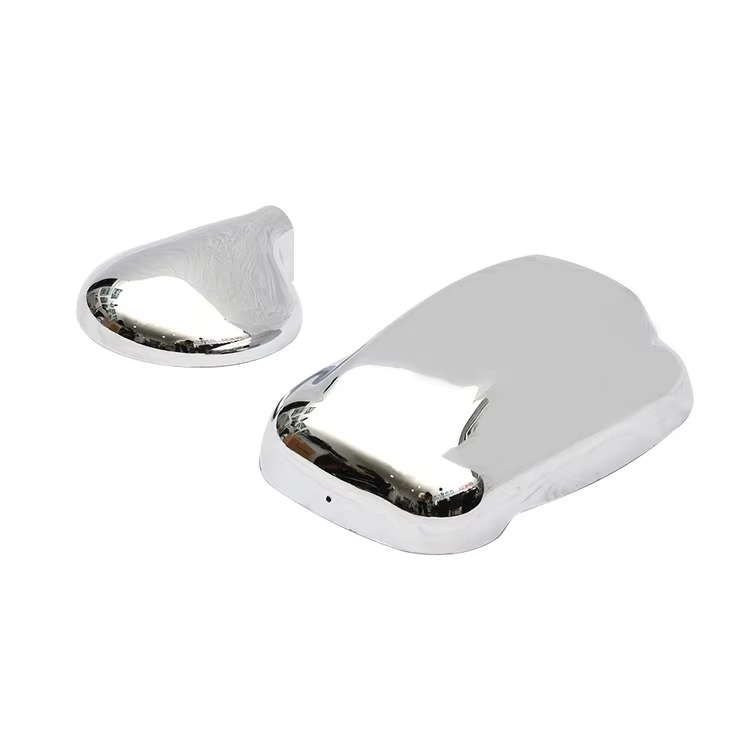
Selecting the right vibration-resistant truck mirrors for your Mitsubishi Fuso requires careful consideration of multiple technical factors that directly impact driver safety and operational efficiency. The unique vibration characteristics of Fuso trucks, combined with demanding commercial driving conditions, make mirror selection a critical component of fleet safety management. Understanding the specific requirements for vibration-resistant truck mirrors will help fleet managers and drivers make informed decisions that enhance visibility while reducing maintenance costs and safety risks associated with mirror failure or misalignment.
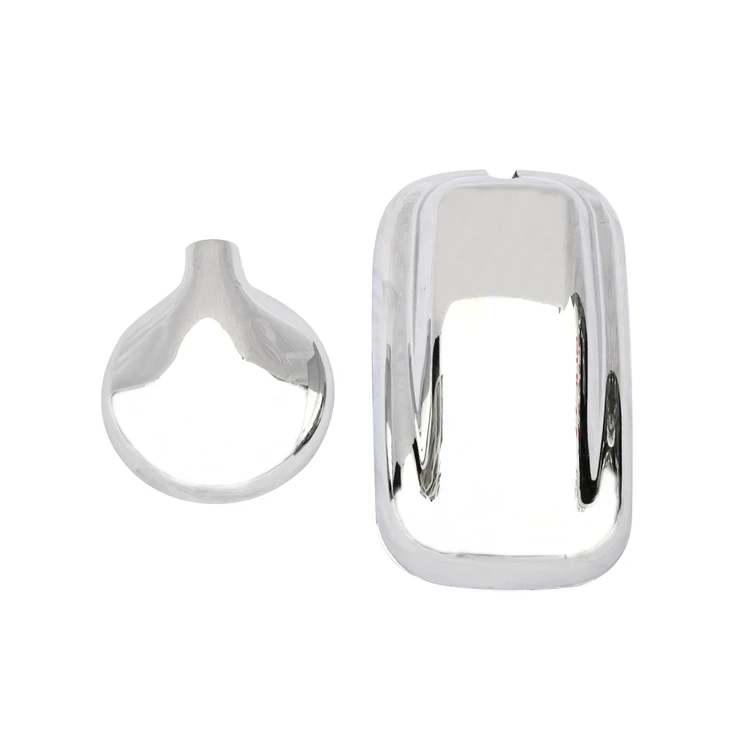
Mitsubishi Fuso trucks operate in diverse environments from urban delivery routes to long-haul highway applications, each presenting unique challenges for mirror stability and durability. The selection process involves evaluating mounting systems, mirror housing materials, adjustment mechanisms, and vibration dampening technologies that work specifically with Fuso chassis dynamics. Professional drivers and fleet operators must understand how different mirror configurations respond to engine vibrations, road conditions, and aerodynamic forces to ensure optimal performance throughout the vehicle's service life.
Understanding Vibration Challenges in Mitsubishi Fuso Applications
Engine and Chassis Vibration Characteristics
Mitsubishi Fuso trucks generate specific vibration patterns that affect mirror stability differently than other commercial vehicle brands. The engine mounting configuration and chassis design create unique resonance frequencies that can cause conventional mirrors to vibrate excessively, reducing visibility and accelerating component wear. Understanding these vibration characteristics is essential when selecting vibration-resistant truck mirrors that will maintain stable positioning under all operating conditions.
The diesel engines used in Fuso trucks produce both high-frequency vibrations from combustion cycles and low-frequency oscillations from engine torque variations. These vibrations transmit through the chassis and cab structure to mirror mounting points, requiring specialized dampening solutions to maintain clear visibility. Professional drivers often report that standard mirrors on Fuso trucks can become misaligned or develop excessive shake, particularly during idle periods or under heavy acceleration conditions.
Road Condition Impact on Mirror Performance
Commercial applications for Mitsubishi Fuso trucks frequently involve challenging road conditions that amplify vibration transmission to mirror assemblies. Construction sites, urban delivery routes with frequent stops and starts, and highway driving at varying speeds all contribute to different vibration profiles that affect mirror stability. Selecting appropriate vibration-resistant truck mirrors requires understanding how these environmental factors interact with vehicle dynamics to impact driver visibility and safety.
Rough pavement surfaces, bridge expansion joints, and construction zones create additional vibration inputs that can overwhelm inadequately designed mirror systems. The cumulative effect of these road-induced vibrations, combined with normal engine and chassis movement, makes proper mirror selection crucial for maintaining consistent visibility throughout the vehicle's operating life. Fleet operators must consider the specific routes and applications where their Fuso trucks will operate when evaluating mirror options.
Critical Selection Criteria for Vibration-Resistant Mirrors
Mounting System Engineering and Design
The mounting system represents the most critical component in vibration-resistant truck mirrors, as it provides the primary interface between the vehicle structure and mirror assembly. High-quality mounting systems incorporate multiple dampening mechanisms, including rubber isolation bushings, spring-loaded adjustments, and reinforced connection points that resist loosening under continuous vibration exposure. These engineered solutions must accommodate the specific mounting configurations used on Mitsubishi Fuso trucks while providing long-term stability and adjustment retention.
Advanced mounting designs feature progressive dampening characteristics that respond differently to various vibration frequencies, effectively filtering out engine harmonics while maintaining responsiveness to intentional adjustments. The material selection for mounting components must balance flexibility for vibration isolation with strength requirements for supporting mirror assemblies under wind loads and impact conditions. Professional installation of vibration-resistant truck mirrors requires understanding these mounting system characteristics to ensure proper performance.
Mirror Housing Materials and Construction
Mirror housing construction directly influences vibration resistance through material selection, structural design, and manufacturing quality. Premium vibration-resistant truck mirrors utilize impact-resistant thermoplastics or composite materials that provide dimensional stability under temperature variations while maintaining structural integrity during continuous vibration exposure. The housing design must incorporate reinforcement ribs and mounting bosses that distribute loads effectively while minimizing resonant frequencies that could amplify vibrations.
Weight distribution within the mirror assembly affects vibration characteristics, requiring careful balance between mirror glass size, housing material, and mounting system capacity. Lightweight construction reduces inertial forces that contribute to vibration amplification, while robust housing designs provide the structural foundation necessary for long-term durability. The selection process must evaluate how housing materials and construction methods interact with Mitsubishi Fuso mounting points to achieve optimal vibration resistance.
Technical Specifications and Performance Requirements
Vibration Dampening Technologies
Modern vibration-resistant truck mirrors incorporate sophisticated dampening technologies that actively reduce vibration transmission while maintaining precise adjustment capabilities. These systems include hydraulic dampeners, elastomeric isolators, and tuned mass dampeners that work together to minimize mirror movement across a broad frequency range. Understanding these technologies helps fleet managers select mirrors that provide superior performance in demanding Mitsubishi Fuso applications.
Hydraulic dampening systems use viscous fluids to control mirror movement, providing consistent performance across temperature ranges while preventing sudden jolts from affecting mirror positioning. Elastomeric isolators utilize rubber compounds engineered for specific durometer ratings that optimize vibration isolation without compromising adjustment precision. These advanced dampening technologies require proper integration with Fuso mounting systems to achieve maximum effectiveness in real-world operating conditions.
Adjustment Mechanism Durability
The adjustment mechanisms in vibration-resistant truck mirrors must maintain precise positioning capabilities while withstanding continuous vibration exposure without degradation. High-quality adjustment systems incorporate hardened steel components, sealed bearing assemblies, and positive locking mechanisms that prevent drift or misalignment during vehicle operation. These mechanisms must provide smooth adjustment while maintaining position stability under the specific vibration conditions encountered in Mitsubishi Fuso applications.
Manual adjustment systems require robust gear trains and locking mechanisms that resist vibration-induced movement while allowing easy repositioning when needed. Remote adjustment options, including electric and pneumatic systems, must incorporate feedback mechanisms and position sensing capabilities that maintain accuracy despite continuous vibration exposure. The selection of appropriate adjustment mechanisms depends on operational requirements and maintenance capabilities within fleet operations.
Installation Considerations and Compatibility Factors
Fuso-Specific Mounting Requirements
Mitsubishi Fuso trucks utilize specific mounting configurations that require compatible vibration-resistant truck mirrors designed for proper fitment and performance. These mounting points include standardized bolt patterns, electrical connections for heated mirrors, and structural reinforcements that must align with mirror mounting systems. Understanding Fuso-specific requirements ensures proper installation and optimal vibration resistance performance throughout the mirror's service life.
The cab structure and door design on Fuso trucks create specific geometric constraints that affect mirror positioning and adjustment range. Professional installation requires knowledge of these factors to ensure adequate visibility coverage while maintaining structural integrity of mounting points. Compatibility verification includes checking clearance requirements, electrical system integration, and compliance with regulatory visibility standards for commercial vehicles.
Regulatory Compliance and Safety Standards
Commercial vehicle mirror installations must comply with federal motor vehicle safety standards that specify minimum visibility requirements and performance criteria. Vibration-resistant truck mirrors selected for Mitsubishi Fuso applications must meet these regulatory requirements while providing enhanced stability and durability. Understanding compliance requirements helps ensure that mirror selections provide both legal operation and improved safety performance.
Safety standards address mirror size requirements, field of view specifications, and mounting strength criteria that directly impact mirror selection decisions. Professional installation must verify that vibration-resistant mirrors maintain required visibility coverage while meeting structural integrity requirements under normal and emergency operating conditions. Compliance verification includes documentation of mirror specifications and installation procedures that demonstrate adherence to applicable safety standards.
Maintenance and Longevity Factors
Service Life Expectations and Durability
High-quality vibration-resistant truck mirrors designed for commercial applications should provide extended service life with minimal maintenance requirements when properly selected and installed. The harsh operating environment of commercial trucks demands mirror systems that can withstand continuous vibration exposure, temperature variations, and environmental contaminants without performance degradation. Understanding service life expectations helps justify the investment in premium mirror systems for Mitsubishi Fuso applications.
Durability factors include resistance to environmental degradation, mechanical wear resistance, and maintaining adjustment precision throughout the service life. Professional fleet operators evaluate total cost of ownership, including initial purchase price, installation costs, and long-term maintenance requirements when selecting vibration-resistant truck mirrors. These calculations must account for the specific operating conditions and maintenance capabilities within fleet operations to determine optimal mirror selection strategies.
Preventive Maintenance Requirements
Proper maintenance of vibration-resistant truck mirrors ensures continued performance and extends service life while maintaining safety compliance. Regular inspection procedures should include checking mounting bolt torque, verifying adjustment mechanism operation, and examining mirror surfaces for damage or degradation. Understanding maintenance requirements helps fleet operators develop appropriate service schedules and training programs for maintenance personnel.
Preventive maintenance protocols must address the unique requirements of vibration-resistant systems, including lubrication of adjustment mechanisms, inspection of dampening components, and verification of mounting system integrity. Environmental factors such as road salt, industrial contaminants, and temperature extremes affect maintenance intervals and procedures. Professional maintenance programs incorporate these factors to ensure reliable mirror performance throughout the vehicle's operating life.
FAQ
What makes a truck mirror specifically vibration-resistant compared to standard mirrors?
Vibration-resistant truck mirrors incorporate specialized mounting systems with dampening technologies, reinforced housing construction, and engineered adjustment mechanisms that actively reduce vibration transmission. These mirrors use elastomeric isolators, hydraulic dampeners, and tuned mass systems to minimize mirror movement while maintaining precise positioning, unlike standard mirrors that rely solely on rigid mounting systems.
How do I determine if vibration-resistant truck mirrors are compatible with my Mitsubishi Fuso model?
Compatibility verification requires checking mounting bolt patterns, electrical connections, and geometric clearances specific to your Fuso model year and configuration. Professional suppliers provide detailed fitment guides that specify compatibility requirements, including cab structure considerations and regulatory compliance for commercial vehicle applications.
What maintenance schedule should I follow for vibration-resistant mirrors on commercial trucks?
Vibration-resistant truck mirrors should be inspected monthly for mounting bolt torque, adjustment mechanism operation, and surface condition. More detailed maintenance including dampener inspection and lubrication should occur every six months or as specified by the manufacturer, with frequency adjustments based on operating environment severity and annual mileage.
Can vibration-resistant mirrors improve fuel efficiency compared to standard commercial mirrors?
High-quality vibration-resistant truck mirrors often feature aerodynamic housing designs and reduced vibration that can contribute to minor fuel efficiency improvements. While the primary benefit is enhanced visibility and safety, the reduced drag coefficients and eliminated vibration-induced air turbulence can provide measurable efficiency gains in highway driving applications.
Table of Contents
- Understanding Vibration Challenges in Mitsubishi Fuso Applications
- Critical Selection Criteria for Vibration-Resistant Mirrors
- Technical Specifications and Performance Requirements
- Installation Considerations and Compatibility Factors
- Maintenance and Longevity Factors
-
FAQ
- What makes a truck mirror specifically vibration-resistant compared to standard mirrors?
- How do I determine if vibration-resistant truck mirrors are compatible with my Mitsubishi Fuso model?
- What maintenance schedule should I follow for vibration-resistant mirrors on commercial trucks?
- Can vibration-resistant mirrors improve fuel efficiency compared to standard commercial mirrors?