 EN
EN


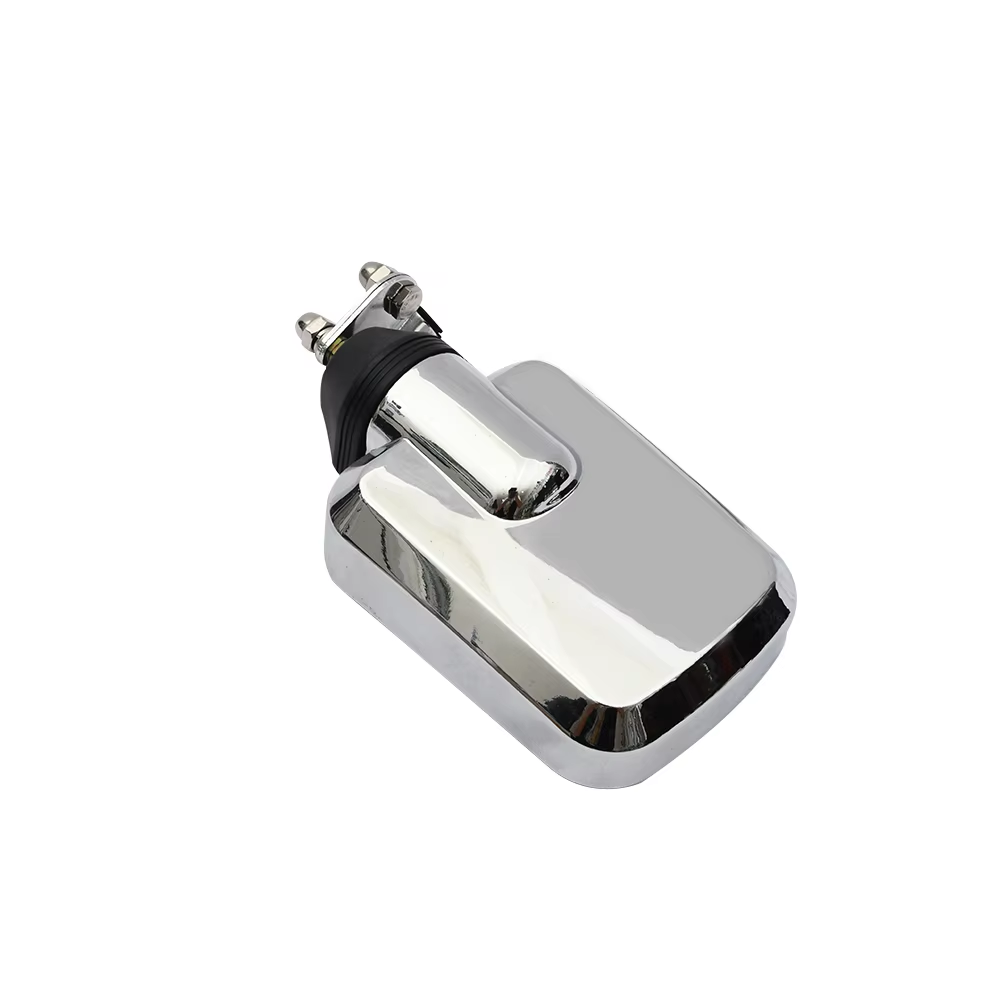
Commercial fleet operators managing Mitsubishi vehicles in cold climates face a critical safety challenge that directly impacts operational efficiency and driver safety. When temperatures drop below freezing, traditional mirrors become compromised by ice formation, fog accumulation, and frost buildup that can obscure visibility for extended periods. This visibility impairment creates dangerous blind spots that significantly increase the risk of accidents, particularly during early morning departures when crews need to begin operations immediately without time for extensive pre-trip preparations.
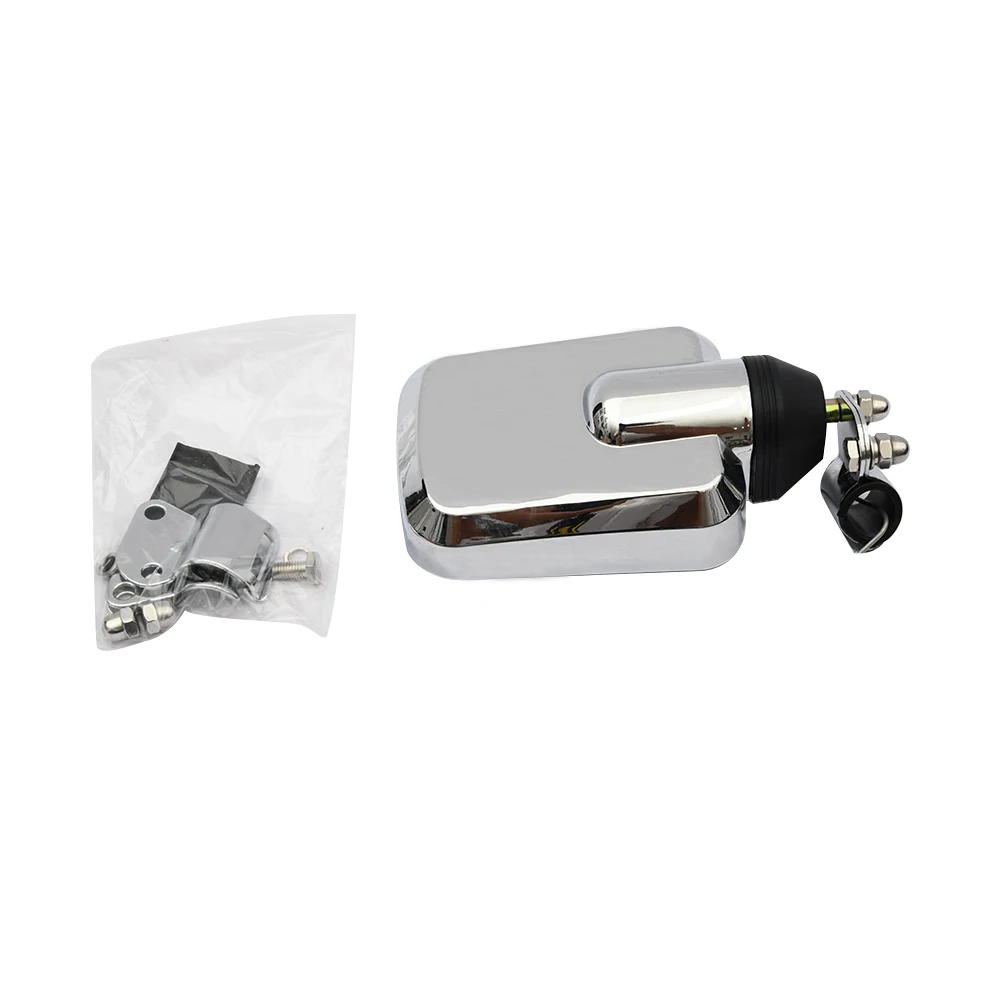
The integration of heated mirror solutions into Mitsubishi fleet operations represents more than just a convenience upgrade—it becomes a fundamental safety requirement that addresses multiple operational challenges simultaneously. These specialized mirror systems utilize controlled heating elements that prevent ice formation, eliminate condensation, and maintain clear visibility even in the harshest winter conditions. For fleet managers responsible for maintaining operational schedules and ensuring driver safety, understanding the essential role of heated mirror solutions helps justify the investment while protecting both personnel and assets in demanding cold-climate environments.
Critical Safety Requirements for Cold-Climate Fleet Operations
Visibility Standards and Regulatory Compliance
Fleet operators must maintain specific visibility standards regardless of weather conditions, making heated mirror solutions a crucial component for regulatory compliance. Commercial vehicle safety regulations require drivers to have unobstructed views through all mirrors during operation, and traditional mirrors that accumulate ice or fog create violations that can result in citations, insurance complications, and liability exposure. The heating elements in these specialized mirrors ensure continuous compliance with visibility requirements by maintaining clear mirror surfaces even when ambient temperatures fall well below freezing.
Insurance companies increasingly recognize the risk reduction provided by heated mirror solutions, often offering premium discounts for fleets that implement comprehensive winter safety equipment. The documentation of proactive safety measures, including heated mirrors, demonstrates fleet management commitment to risk mitigation and can significantly impact claims processing and coverage terms. This regulatory and insurance consideration makes heated mirror solutions an essential investment rather than an optional upgrade for cold-climate operations.
Accident Prevention and Liability Reduction
The statistical correlation between mirror visibility and accident rates becomes particularly pronounced in cold-climate conditions where traditional mirrors fail to provide adequate visibility. Heated mirror solutions eliminate the primary cause of mirror-related visibility issues by preventing the formation of ice, frost, and condensation that create dangerous blind spots during critical maneuvering situations. Fleet safety data consistently shows reduced accident rates when vehicles are equipped with heated mirrors, particularly during backing maneuvers and lane changes where mirror visibility is essential for safe operation.
Legal liability considerations extend beyond immediate accident prevention to include documentation of reasonable safety precautions taken by fleet operators. Courts and insurance adjusters evaluate whether fleet managers implemented available safety technologies when assessing liability in cold-weather accidents. The installation of heated mirror solutions demonstrates proactive risk management that can significantly impact liability determinations and settlement negotiations following incidents involving visibility-related factors.
Operational Efficiency and Cost-Benefit Analysis
Reduced Downtime and Maintenance Requirements
The implementation of heated mirror solutions directly addresses one of the most significant sources of operational delays in cold-climate fleet operations—the time required for mirror preparation before vehicle deployment. Traditional mirrors require manual clearing, defrosting solutions, or extended warm-up periods that can delay departure times by fifteen to thirty minutes per vehicle. This cumulative delay becomes substantial across large fleets, particularly during peak winter months when consistent cold temperatures require daily mirror preparation protocols.
Maintenance costs associated with traditional mirrors in cold climates include frequent replacement due to thermal stress cracking, damage from ice removal procedures, and accelerated wear from repeated freeze-thaw cycles. Heated mirror solutions eliminate these maintenance issues by maintaining consistent operating temperatures that prevent thermal stress and reduce the need for aggressive ice removal techniques. The controlled heating prevents moisture infiltration that can damage internal mirror mechanisms, resulting in longer service life and reduced replacement frequency compared to standard mirrors exposed to harsh winter conditions.
Driver Productivity and Safety Protocols
Fleet productivity metrics show measurable improvements when drivers can begin operations immediately without extensive pre-trip mirror preparation procedures. Heated mirror solutions eliminate the need for drivers to physically clear mirrors, apply defrosting solutions, or wait for vehicle heating systems to clear mirror surfaces. This efficiency improvement becomes particularly valuable during early morning shifts when drivers need to begin deliveries or service calls immediately to maintain schedule compliance and customer satisfaction.
The reduction in driver exposure to cold weather conditions during mirror preparation represents an important safety benefit that reduces worker compensation risks and improves driver satisfaction. Drivers equipped with heated mirror solutions avoid the hazardous situation of climbing on vehicles or using ladders to clear high-mounted mirrors in icy conditions. This safety improvement reduces injury risks while maintaining operational efficiency, creating a dual benefit that justifies the investment in heated mirror solutions for responsible fleet operators.
Technology Integration and System Compatibility
Electrical System Requirements and Power Management
Modern Mitsubishi fleet vehicles provide the electrical infrastructure necessary to support heated mirror solutions without compromising other vehicle systems or creating power distribution issues. The integration process requires careful consideration of existing electrical loads and proper wiring techniques that ensure reliable operation without overloading circuits or creating safety hazards. Professional installation ensures that heated mirror solutions operate within manufacturer specifications while maintaining warranty coverage and electrical system integrity.
Power management systems in contemporary heated mirror solutions include intelligent controls that activate heating elements based on ambient temperature sensors, preventing unnecessary power consumption during warmer conditions. These smart controls optimize battery life and fuel efficiency by operating heating elements only when environmental conditions require mirror surface warming. The integration of these control systems with existing vehicle electronics ensures seamless operation that supports rather than compromises overall vehicle performance.
Installation Considerations and Fleet Standardization
Fleet standardization on heated mirror solutions creates operational advantages that extend beyond individual vehicle benefits to include simplified maintenance procedures, parts inventory management, and driver training protocols. When all fleet vehicles utilize consistent mirror technologies, maintenance personnel develop expertise with specific systems, reducing diagnostic time and improving repair efficiency. Standardized heated mirror solutions also ensure that drivers transferring between vehicles encounter familiar controls and operation procedures, reducing training requirements and improving safety consistency.
The retrofit installation of heated mirror solutions on existing Mitsubishi fleet vehicles requires careful planning to ensure proper integration without compromising vehicle appearance or functionality. Professional installation services understand the specific requirements for different Mitsubishi models and can recommend optimal mounting solutions that provide reliable operation while maintaining manufacturer warranty coverage. This professional approach ensures that heated mirror solutions deliver intended benefits without creating unexpected maintenance issues or operational complications.
Long-term Value and Return on Investment
Insurance and Risk Management Benefits
The quantifiable risk reduction provided by heated mirror solutions creates measurable value through reduced insurance premiums, fewer claims, and improved loss ratios that benefit fleet operators over extended periods. Insurance underwriters recognize that heated mirror solutions address a primary cause of cold-weather accidents, and this recognition translates into concrete premium reductions for fleets that implement comprehensive winter safety equipment. The documentation of these safety investments provides leverage during insurance renewal negotiations and supports arguments for improved coverage terms.
Risk management extends beyond insurance considerations to include reduced exposure to regulatory penalties, improved safety ratings, and enhanced reputation among customers and partners who value safety-conscious fleet operators. The implementation of heated mirror solutions demonstrates commitment to advanced safety practices that can differentiate fleet services in competitive markets where safety performance influences customer selection decisions. This competitive advantage creates ongoing value that extends beyond immediate operational benefits to support business growth and market positioning.
Asset Protection and Resale Value
Fleet vehicles equipped with heated mirror solutions maintain higher resale values due to the desirability of these safety features among secondary market buyers, particularly those operating in cold-climate regions. The presence of heated mirror solutions indicates that previous fleet operators invested in proper equipment and maintenance, suggesting overall vehicle care that appeals to quality-conscious buyers. This resale value protection helps offset initial investment costs while providing ongoing asset value preservation throughout the vehicle lifecycle.
The protective effect of heated mirror solutions on mirror assemblies and related components reduces long-term maintenance costs that would otherwise erode fleet asset values. Mirrors maintained at consistent temperatures avoid thermal stress damage, ice formation damage, and accelerated wear that typically affects traditional mirrors in cold climates. This protection preserves both functionality and appearance, supporting higher asset values and reduced replacement costs throughout the operational life of fleet vehicles.
FAQ
How do heated mirror solutions integrate with existing Mitsubishi fleet electrical systems?
Heated mirror solutions are designed to integrate seamlessly with Mitsubishi electrical systems through proper connection to existing power distribution networks and control systems. Professional installation ensures that power requirements remain within manufacturer specifications while utilizing intelligent temperature controls that activate heating elements only when needed. The integration process includes proper fusing, wiring harness connections, and control module programming that maintains electrical system integrity while providing reliable mirror heating functionality.
What maintenance requirements apply to heated mirror solutions in commercial fleet operations?
Heated mirror solutions require minimal maintenance beyond standard mirror cleaning and periodic inspection of electrical connections and heating element functionality. Monthly visual inspections verify proper operation during cold conditions, while annual electrical system checks ensure continued reliability. The reduced maintenance burden compared to traditional mirrors includes elimination of ice damage repairs, reduced replacement frequency, and simplified cleaning procedures that support efficient fleet maintenance operations.
Can heated mirror solutions be retrofitted to older Mitsubishi fleet vehicles?
Retrofit installation of heated mirror solutions is possible on most Mitsubishi fleet vehicles with proper assessment of electrical capacity and mounting requirements. Professional installers evaluate existing mirror mounting systems, electrical infrastructure, and control integration options to determine optimal retrofit approaches. While newer vehicles offer easier integration opportunities, experienced technicians can successfully retrofit heated mirror solutions to older fleet vehicles with appropriate planning and component selection.
What cost savings can fleet operators expect from implementing heated mirror solutions?
Fleet operators typically realize cost savings through reduced accident rates, lower insurance premiums, decreased maintenance expenses, and improved operational efficiency. The combination of reduced mirror replacement costs, eliminated ice removal labor, decreased accident liability, and improved driver productivity creates measurable returns that often justify initial investment costs within two to three operating seasons. Additional savings include reduced regulatory compliance issues, improved fuel efficiency from eliminated warm-up time, and enhanced resale values for fleet vehicles equipped with heated mirror solutions.
Table of Contents
- Critical Safety Requirements for Cold-Climate Fleet Operations
- Operational Efficiency and Cost-Benefit Analysis
- Technology Integration and System Compatibility
- Long-term Value and Return on Investment
-
FAQ
- How do heated mirror solutions integrate with existing Mitsubishi fleet electrical systems?
- What maintenance requirements apply to heated mirror solutions in commercial fleet operations?
- Can heated mirror solutions be retrofitted to older Mitsubishi fleet vehicles?
- What cost savings can fleet operators expect from implementing heated mirror solutions?