 EN
EN


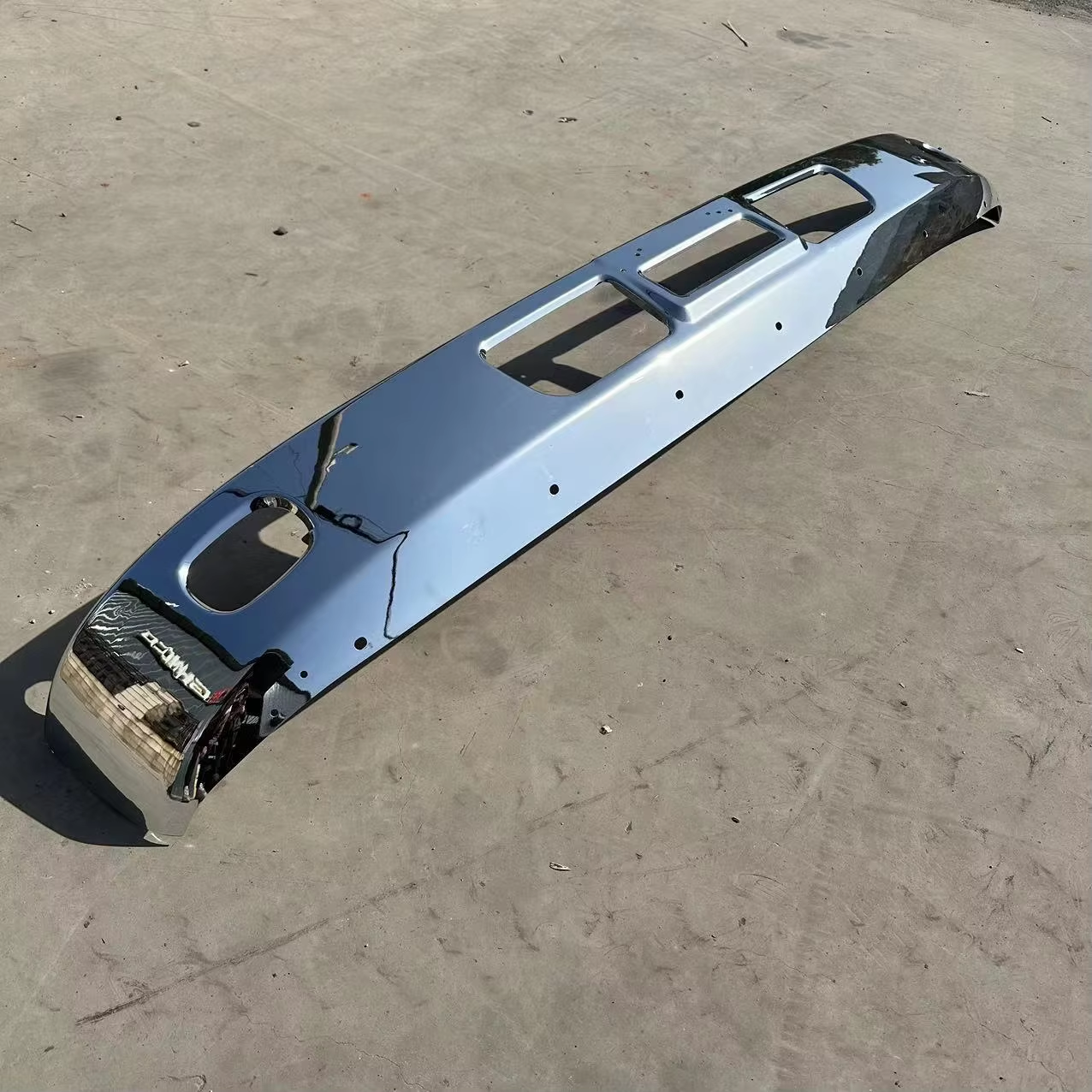
Fleet managers operating Mitsubishi trucks constantly seek ways to reduce operational costs while maintaining performance standards. Among the various aerodynamic modifications available, side skirts represent one of the most effective solutions for improving fuel efficiency across commercial truck operations. These streamlined panels, mounted along the sides of trailers and truck bodies, create a significant impact on fuel consumption by addressing the complex aerodynamic challenges that heavy-duty vehicles face during highway operations.
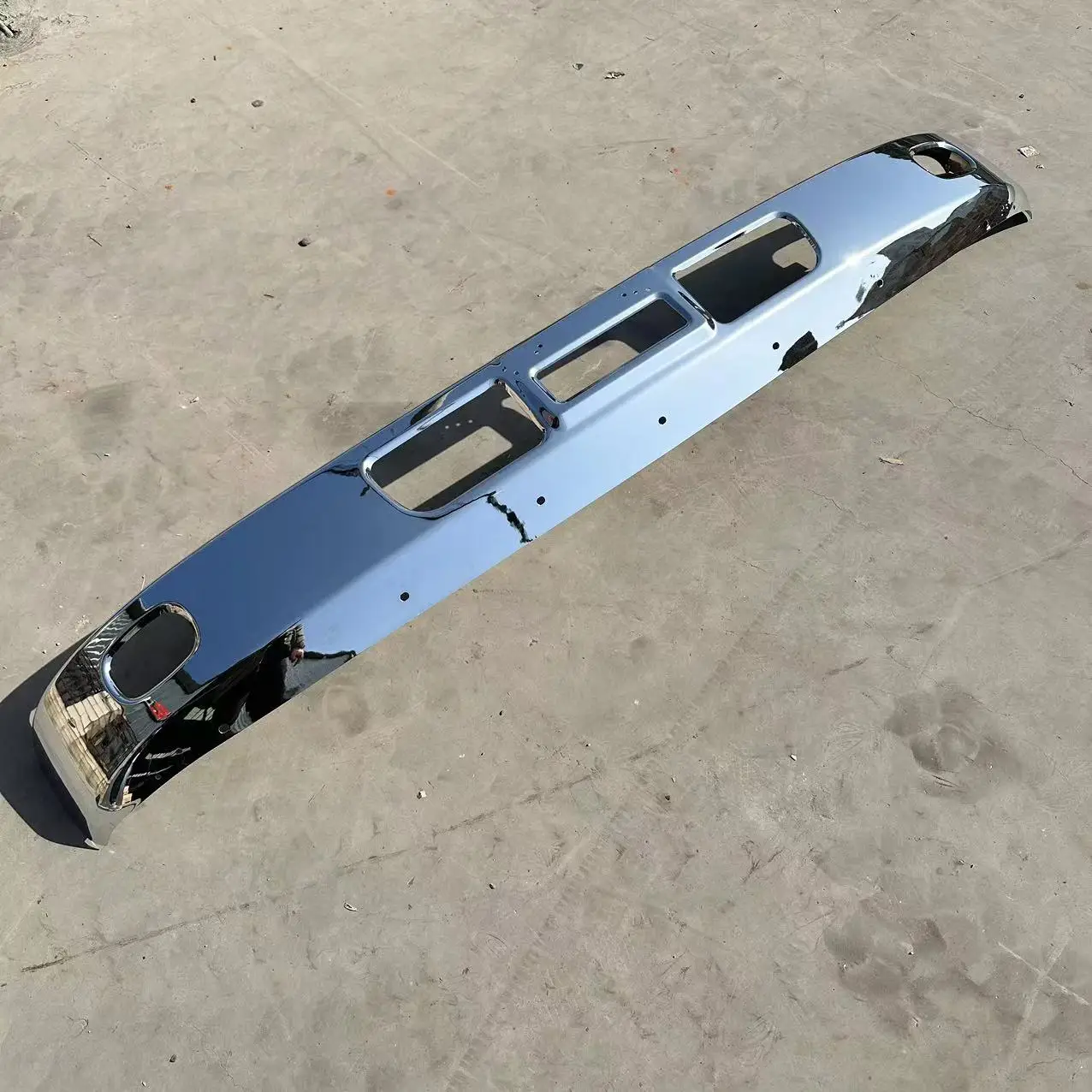
Understanding how side skirts improve fuel efficiency requires examining the fundamental aerodynamic principles that govern commercial vehicle performance. When Mitsubishi trucks travel at highway speeds, air flows around the vehicle body creating areas of turbulence and drag that directly impact fuel consumption. The installation of properly designed side skirts transforms these disruptive airflow patterns into more controlled, streamlined movement that reduces the energy required to maintain cruising speeds and delivers measurable fuel savings across fleet operations.
The Aerodynamic Science Behind Side Skirt Efficiency
Understanding Drag Forces in Commercial Vehicles
Commercial trucks like Mitsubishi fleet vehicles encounter significant aerodynamic resistance during operation, with drag forces accounting for approximately 65% of fuel consumption at highway speeds. The primary contributor to this resistance stems from pressure differentials created when air separates from the vehicle body. As air flows around the truck cab and trailer, it creates low-pressure zones behind the vehicle and high-pressure zones at the front, forcing the engine to work harder to overcome this resistance.
The gap between the truck cab and trailer, along with the exposed undercarriage area, creates additional turbulence that compounds fuel efficiency challenges. Air entering these spaces becomes trapped and swirls chaotically, creating drag pockets that increase fuel consumption. Side skirts improve fuel efficiency by addressing these specific aerodynamic weaknesses through strategic airflow management that reduces pressure differentials and minimizes turbulent air movement around the vehicle structure.
How Side Skirts Modify Airflow Patterns
When properly installed on Mitsubishi trucks, side skirts create a smooth transition zone that guides airflow along the vehicle sides rather than allowing it to become trapped underneath the trailer or truck body. This controlled airflow reduces the formation of vortices and eddies that typically develop in the gap areas between wheels and around suspension components. The streamlined profile created by side skirts helps maintain attached airflow for longer distances along the vehicle sides.
The effectiveness of side skirts in improving fuel efficiency depends on their ability to seal the gap between the road surface and the trailer bottom. This sealing action prevents high-pressure air from the front of the vehicle from equalizing with low-pressure air behind the truck, thereby maintaining the pressure differential in a more controlled manner. Professional installation ensures that side skirts improve fuel efficiency through optimal positioning and aerodynamic integration with existing vehicle components.
Quantifying Fuel Efficiency Improvements
Measurable Fuel Consumption Reductions
Fleet testing data consistently demonstrates that side skirts improve fuel efficiency by 4% to 7% during highway driving conditions. For Mitsubishi truck fleets covering substantial annual mileage, these percentage improvements translate into significant cost savings over the operational life of the vehicles. A typical long-haul truck consuming 6.5 miles per gallon can achieve fuel economy improvements of 0.26 to 0.45 miles per gallon through proper side skirt installation.
The actual fuel efficiency gains depend on several factors including vehicle speed, load configuration, weather conditions, and driving routes. Side skirts demonstrate maximum effectiveness during sustained highway driving at speeds between 55 and 75 miles per hour, where aerodynamic drag represents the largest component of energy consumption. Urban driving conditions with frequent stops and starts show reduced benefits, though side skirts still contribute to overall efficiency improvements during acceleration phases and moderate-speed cruising.
Economic Impact on Fleet Operations
Beyond the immediate fuel savings, side skirts improve fuel efficiency in ways that positively impact overall fleet economics. The reduction in aerodynamic drag decreases engine load, potentially extending engine life and reducing maintenance requirements. Lower fuel consumption also means reduced carbon emissions, helping fleets meet environmental compliance standards and corporate sustainability goals.
Return on investment calculations for side skirt installations typically show payback periods of 12 to 18 months for high-mileage fleet vehicles. Mitsubishi truck operators covering 100,000 miles annually can expect annual fuel cost reductions of $2,000 to $3,500 per vehicle, depending on fuel prices and specific operating conditions. These savings compound over the vehicle's operational life, making side skirts one of the most cost-effective fuel efficiency modifications available to commercial fleet managers.
Installation Considerations for Mitsubishi Truck Fleets
Compatibility and Integration Requirements
Successful implementation of side skirts on Mitsubishi trucks requires careful consideration of vehicle specifications and operational requirements. The mounting system must accommodate the specific chassis design and suspension configuration of Mitsubishi models while maintaining ground clearance requirements for various loading dock configurations. Professional installation teams assess each vehicle to ensure that side skirts improve fuel efficiency without compromising operational functionality or creating maintenance access issues.
Different Mitsubishi truck models may require customized side skirt configurations to achieve optimal aerodynamic performance. Factors such as wheelbase length, trailer height, and existing aerodynamic features influence the design and positioning of side skirts. Fleet managers should work with experienced installers who understand the specific requirements of Mitsubishi vehicles to ensure maximum fuel efficiency benefits while maintaining vehicle reliability and serviceability.
Maintenance and Durability Factors
The long-term effectiveness of side skirts in improving fuel efficiency depends on proper maintenance and damage prevention protocols. Regular inspection schedules should include checks for side skirt alignment, mounting hardware integrity, and panel condition. Damage from road debris, loading dock contact, or weather exposure can compromise the aerodynamic benefits and reduce fuel efficiency improvements.
Modern side skirt designs incorporate robust materials and flexible mounting systems that withstand the operational stresses of commercial trucking while maintaining their aerodynamic properties. Fleet maintenance programs should include procedures for side skirt cleaning, minor repair, and replacement scheduling to ensure that fuel efficiency benefits remain consistent over the vehicle's operational life. Training maintenance personnel on side skirt-specific procedures helps preserve the investment and maintain optimal fuel consumption performance.
Real-World Performance in Fleet Applications
Highway Driving Scenarios
The most significant fuel efficiency improvements from side skirts occur during extended highway driving where Mitsubishi trucks maintain consistent speeds for prolonged periods. Interstate freight operations, regional distribution routes, and long-haul transportation scenarios provide ideal conditions for side skirts to deliver maximum aerodynamic benefits. Fleet operators report the most dramatic fuel consumption reductions on routes with minimal urban driving and consistent highway cruising speeds.
Wind conditions significantly influence how effectively side skirts improve fuel efficiency during highway operations. Crosswinds and headwinds create additional aerodynamic challenges that properly installed side skirts help mitigate by maintaining more stable airflow patterns around the vehicle. The streamlined profile reduces the vehicle's sensitivity to wind gusts and helps maintain consistent fuel consumption even in challenging weather conditions.
Mixed Driving Conditions
While side skirts demonstrate peak performance during highway driving, they continue to provide fuel efficiency benefits in mixed driving conditions that combine urban and highway segments. During acceleration phases and moderate-speed cruising through suburban areas, side skirts reduce the energy required to overcome aerodynamic resistance. The cumulative effect of these smaller efficiency gains throughout varied driving cycles contributes to overall fuel consumption reductions.
Fleet operations involving frequent stops for deliveries or pickups still benefit from side skirt installation, particularly on routes with significant highway segments between stops. The fuel efficiency improvements during highway portions of mixed routes help offset the reduced aerodynamic benefits during low-speed urban driving. Comprehensive fleet analysis considers the total driving profile to accurately project the fuel savings potential from side skirt implementation across diverse operational scenarios.
FAQ
How much can side skirts improve fuel efficiency for a typical Mitsubishi truck fleet?
Side skirts typically improve fuel efficiency by 4% to 7% during highway driving conditions for Mitsubishi truck fleets. This translates to approximately 0.26 to 0.45 miles per gallon improvement for trucks averaging 6.5 mpg. The actual improvement depends on factors such as driving speed, route characteristics, load configuration, and installation quality. Fleet operators covering high annual mileage on highway routes see the most significant fuel cost reductions.
What is the typical payback period for side skirt installation on commercial trucks?
The return on investment for side skirts typically ranges from 12 to 18 months for high-mileage fleet vehicles. Mitsubishi trucks covering 100,000 miles annually can expect annual fuel cost reductions of $2,000 to $3,500 per vehicle, making side skirts one of the most cost-effective fuel efficiency modifications available. The payback period varies based on fuel prices, annual mileage, and specific operational conditions.
Do side skirts require special maintenance procedures for Mitsubishi trucks?
Side skirts require regular inspection and basic maintenance to maintain their fuel efficiency benefits. Fleet maintenance programs should include checks for panel alignment, mounting hardware integrity, and damage from road debris or loading dock contact. Cleaning procedures help maintain aerodynamic properties, while prompt repair of damage prevents reduced efficiency. Most modern side skirt systems are designed for durability and minimal maintenance requirements while withstanding commercial trucking operational stresses.
Are side skirts effective in all driving conditions and weather scenarios?
Side skirts improve fuel efficiency most significantly during sustained highway driving at speeds between 55 and 75 mph, where aerodynamic drag represents the largest component of energy consumption. They remain beneficial in mixed driving conditions and help stabilize vehicle performance in crosswinds and challenging weather. Urban driving with frequent stops shows reduced but still measurable benefits. The effectiveness varies with specific operational conditions, but properly installed side skirts provide fuel efficiency improvements across most commercial trucking applications.
Table of Contents
- The Aerodynamic Science Behind Side Skirt Efficiency
- Quantifying Fuel Efficiency Improvements
- Installation Considerations for Mitsubishi Truck Fleets
- Real-World Performance in Fleet Applications
-
FAQ
- How much can side skirts improve fuel efficiency for a typical Mitsubishi truck fleet?
- What is the typical payback period for side skirt installation on commercial trucks?
- Do side skirts require special maintenance procedures for Mitsubishi trucks?
- Are side skirts effective in all driving conditions and weather scenarios?