 EN
EN


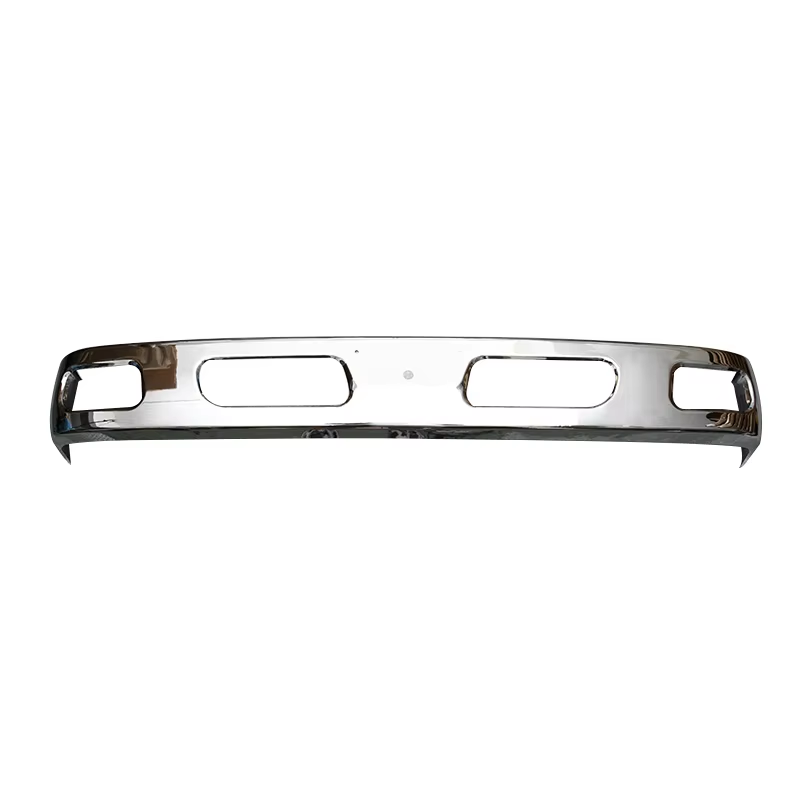
The Mitsubishi Canter's commercial reliability depends significantly on its front-end protection systems, particularly how well the bumper manages collision forces while maintaining structural integrity. Modern energy-absorbing bumper technology represents a critical advancement in commercial vehicle safety, specifically designed to distribute impact forces across multiple structural zones rather than concentrating damage at the point of contact. For fleet operators and commercial drivers, understanding how energy-absorbing bumper designs enhance the Canter's safety profile becomes essential for making informed decisions about vehicle specifications and aftermarket upgrades.
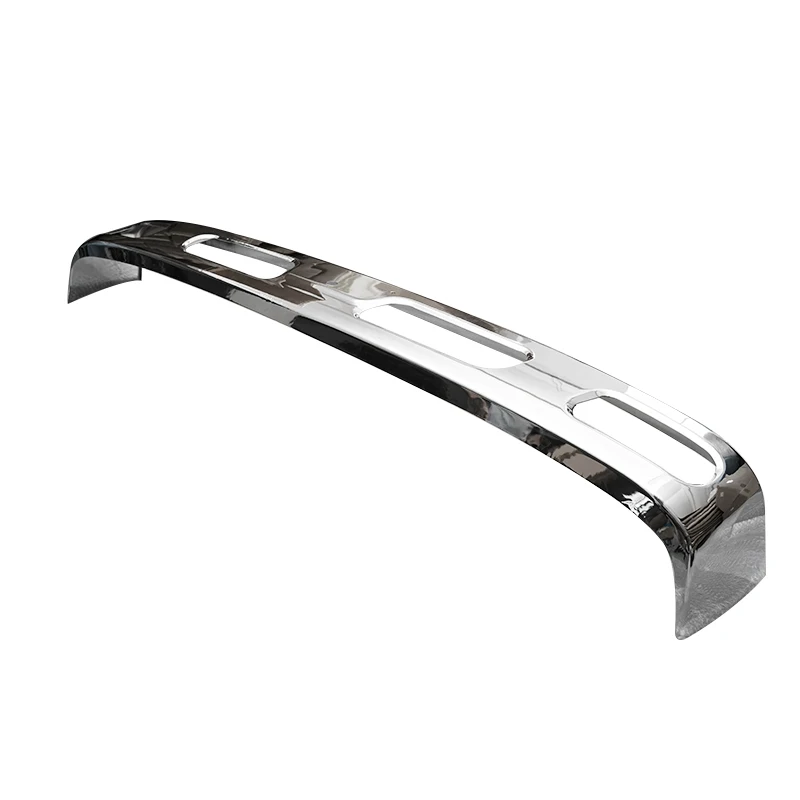
Energy-absorbing bumper systems on the Mitsubishi Canter utilize engineered deformation zones and progressive crushing mechanisms to transform kinetic energy from collisions into controlled structural displacement. This sophisticated approach to impact management goes beyond traditional rigid bumper designs by incorporating materials and geometries specifically calculated to absorb collision forces while protecting both vehicle occupants and critical mechanical components. The implementation of these advanced safety features directly contributes to reduced repair costs, enhanced driver protection, and improved overall vehicle longevity in demanding commercial applications.
Understanding Energy Absorption Principles in Commercial Bumper Design
Progressive Crushing Mechanics
Energy-absorbing bumper designs for the Mitsubishi Canter employ progressive crushing technology that allows specific sections of the bumper structure to deform in a predetermined sequence during impact. This controlled deformation process begins with outer crush zones that compress first, followed by intermediate sections that engage as impact forces increase. The progressive nature of this crushing mechanism ensures that collision energy dissipates gradually rather than transferring directly to the cab frame or passenger compartment.
The engineering behind progressive crushing involves careful calculation of material thickness, cellular structures, and reinforcement patterns throughout the bumper assembly. Each zone within the energy-absorbing bumper system features different crush strengths, creating a cascading effect that maximizes energy absorption while maintaining sufficient structural integrity to protect vital components. This approach proves particularly valuable in commercial applications where the Canter frequently operates in congested urban environments with higher collision risk.
Advanced modeling techniques allow engineers to predict exactly how each section of the energy-absorbing bumper will behave under various impact scenarios. This predictive capability enables precise tuning of crush characteristics to match the specific mass and performance profile of the Mitsubishi Canter, ensuring optimal energy absorption across different collision speeds and impact angles.
Material Science Integration
Modern energy-absorbing bumper construction incorporates high-strength steel alloys and engineered plastics that provide superior energy absorption characteristics compared to conventional bumper materials. These advanced materials maintain structural integrity under normal operating conditions while offering controlled deformation properties when subjected to collision forces. The material selection process considers factors such as temperature stability, corrosion resistance, and long-term durability in commercial vehicle applications.
Composite reinforcement elements within the energy-absorbing bumper structure utilize fiber-reinforced polymers that add strength without significantly increasing weight. This weight optimization becomes crucial for commercial vehicles like the Mitsubishi Canter, where payload capacity and fuel efficiency directly impact operational profitability. The integration of lightweight yet strong materials allows the bumper system to provide enhanced protection without compromising the vehicle's commercial performance characteristics.
Heat treatment processes and surface hardening techniques further enhance the energy absorption capabilities of bumper components. These manufacturing refinements create controlled stress patterns throughout the bumper structure, ensuring that deformation occurs in predetermined zones while maintaining the overall structural framework necessary for mounting lights, license plates, and other essential equipment.
Structural Integration with Canter Chassis Systems
Mounting Point Engineering
The effectiveness of any energy-absorbing bumper depends heavily on how it integrates with the Mitsubishi Canter's existing chassis structure. Proper mounting point engineering ensures that collision forces transfer through the bumper system into reinforced frame members rather than concentrating stress at weak connection points. This integration requires precise alignment between bumper mounting brackets and the vehicle's structural framework to maintain optimal force distribution characteristics.
Engineering specifications for energy-absorbing bumper mounting systems typically include reinforced attachment points that can withstand significant lateral and vertical forces without compromising the bumper's designed deformation patterns. These mounting systems often incorporate progressive load transfer mechanisms that allow the bumper to begin absorbing energy immediately upon impact while maintaining secure attachment to the vehicle frame throughout the collision sequence.
The mounting point design also considers maintenance accessibility and replacement procedures, ensuring that energy-absorbing bumper components can be serviced or replaced without requiring extensive chassis modifications. This serviceability factor becomes particularly important for commercial fleet operators who need to minimize vehicle downtime and maintenance costs while maintaining safety standards.
Compatibility with Safety Systems
Modern energy-absorbing bumper designs must integrate seamlessly with the Mitsubishi Canter's existing safety systems, including airbag deployment mechanisms, collision detection sensors, and electronic stability controls. This integration requires careful coordination between bumper deformation characteristics and sensor positioning to ensure that safety systems activate appropriately during collision events. The bumper structure must provide adequate protection for sensitive electronic components while allowing sensors to function correctly throughout the impact sequence.
Sensor integration within energy-absorbing bumper systems often involves embedding accelerometers and pressure sensors that can detect the onset of collision events and trigger appropriate safety responses. These sensors must remain functional even as the bumper structure begins to deform, requiring robust mounting systems and protected wiring harnesses that can survive the initial stages of energy absorption without compromising system operation.
The coordination between energy-absorbing bumper systems and vehicle safety networks also extends to post-collision procedures, where integrated diagnostic systems can assess the extent of bumper damage and recommend appropriate repair or replacement actions. This diagnostic capability helps fleet operators make informed decisions about vehicle serviceability following collision events.
Performance Optimization for Commercial Applications
Load Distribution Characteristics
Energy-absorbing bumper systems for the Mitsubishi Canter must accommodate the unique loading patterns associated with commercial vehicle operation. Unlike passenger vehicles, commercial trucks experience different weight distributions and center-of-gravity characteristics that affect collision dynamics. The bumper design must account for these factors to provide optimal energy absorption across various loading conditions, from empty vehicle operation to maximum payload scenarios.
Load distribution analysis considers how different cargo configurations affect the vehicle's collision behavior and adjusts energy-absorbing bumper characteristics accordingly. This analysis includes evaluation of how loaded versus unloaded vehicles respond to front-end impacts and how the bumper system can compensate for these variations to maintain consistent safety performance. The goal involves creating a bumper system that provides reliable protection regardless of the vehicle's current operational state.
Advanced energy-absorbing bumper designs incorporate adaptive characteristics that can respond to different collision scenarios based on vehicle loading conditions. These adaptive systems may include variable crush zones or adjustable reinforcement elements that modify their behavior based on detected vehicle mass or impact severity. Such adaptability ensures optimal energy absorption across the full range of commercial operating conditions.
Durability Under Operating Conditions
Commercial vehicles like the Mitsubishi Canter operate in demanding environments that subject energy-absorbing bumper systems to various stress factors beyond collision events. These systems must maintain their energy absorption capabilities despite exposure to road debris, weather extremes, chemical exposure, and routine operational stresses. Durability testing for commercial bumper systems typically involves accelerated aging procedures that simulate years of operational exposure in compressed timeframes.
The materials used in energy-absorbing bumper construction must resist degradation from ultraviolet exposure, temperature cycling, and chemical contamination while maintaining their designed crush characteristics. This durability requirement often leads to the use of specialized coatings and surface treatments that protect underlying structural materials without adding significant weight or cost to the overall system.
Maintenance protocols for energy-absorbing bumper systems focus on preserving the engineered crush characteristics through proper inspection and preventive care procedures. These protocols include regular assessment of mounting point integrity, surface condition evaluation, and verification that energy absorption zones remain free from damage or contamination that could affect their performance during collision events.
Implementation Considerations for Fleet Operations
Cost-Benefit Analysis
Fleet operators considering energy-absorbing bumper upgrades for their Mitsubishi Canter vehicles must evaluate the total cost of ownership implications beyond initial purchase price. This analysis includes assessment of potential repair cost savings from reduced collision damage, insurance premium modifications based on improved safety ratings, and operational benefits from reduced vehicle downtime following minor collision events. The energy-absorbing bumper investment often demonstrates positive returns through reduced long-term maintenance and replacement costs.
Insurance considerations play a significant role in the cost-benefit equation, as many commercial insurance providers offer premium reductions for vehicles equipped with advanced safety systems including energy-absorbing bumper technology. These insurance savings can partially offset the initial investment cost while providing ongoing operational benefits throughout the vehicle's service life. Fleet operators should coordinate with their insurance providers to understand available incentives and requirements for safety system documentation.
The analysis must also consider the potential liability benefits of enhanced safety systems, particularly in commercial applications where collision events can result in significant third-party damage claims. Energy-absorbing bumper systems that reduce collision severity can help minimize both property damage and injury claims, providing additional financial protection for fleet operators beyond direct vehicle repair savings.
Installation and Maintenance Requirements
Proper installation of energy-absorbing bumper systems requires adherence to manufacturer specifications and professional installation procedures to ensure optimal performance characteristics. Installation involves precise alignment of mounting points, proper torque specifications for fasteners, and verification of integration with existing vehicle systems. Many energy-absorbing bumper systems require specialized tools or procedures that may necessitate professional installation rather than in-house fleet maintenance.
Maintenance requirements for energy-absorbing bumper systems typically involve regular visual inspections to identify signs of damage, deformation, or component degradation that could affect performance. These inspections should focus on crush zone integrity, mounting point security, and overall structural condition. Any signs of damage or wear should prompt immediate professional evaluation to determine whether the bumper system retains its designed energy absorption capabilities.
Documentation requirements for energy-absorbing bumper systems include maintaining installation records, inspection logs, and any service history that demonstrates proper maintenance compliance. This documentation becomes important for warranty coverage, insurance claims, and regulatory compliance in commercial vehicle operations. Fleet operators should establish standardized procedures for recording and maintaining these documentation requirements.
FAQ
How much energy can an energy-absorbing bumper system absorb compared to standard bumpers?
Energy-absorbing bumper systems typically absorb 40-60% more collision energy than standard rigid bumpers through their progressive crushing mechanisms and engineered deformation zones. This enhanced energy absorption translates to reduced force transmission to the vehicle frame and passenger compartment, significantly improving occupant safety and reducing structural damage in collision events. The specific energy absorption capacity depends on the bumper design, materials used, and integration with the vehicle's structural framework.
Can energy-absorbing bumpers be repaired after a collision, or do they require complete replacement?
Energy-absorbing bumpers typically require complete replacement after any significant collision event because their crush zones undergo permanent deformation during energy absorption. Unlike conventional bumpers that might be repairable, the engineered crush characteristics of energy-absorbing systems cannot be restored once activated. However, minor impacts that don't trigger the crushing mechanisms may allow for localized repairs, depending on the specific damage assessment and manufacturer recommendations.
Do energy-absorbing bumpers affect the Mitsubishi Canter's approach angle or ground clearance?
Modern energy-absorbing bumper designs maintain similar dimensional profiles to standard bumpers, ensuring minimal impact on approach angles and ground clearance. Manufacturers specifically engineer these systems to preserve the vehicle's operational characteristics while enhancing safety performance. Some energy-absorbing bumper designs may actually improve aerodynamics, potentially providing fuel efficiency benefits that offset any minor changes to vehicle dimensions.
What maintenance intervals are recommended for energy-absorbing bumper systems on commercial vehicles?
Energy-absorbing bumper systems should undergo visual inspection every 30 days or 5,000 miles in commercial applications, with more comprehensive structural assessments performed quarterly or every 15,000 miles. These inspections should focus on crush zone integrity, mounting point security, and overall structural condition. Any signs of damage, deformation, or component degradation require immediate professional evaluation to ensure the system retains its designed energy absorption capabilities throughout the vehicle's operational life.
Table of Contents
- Understanding Energy Absorption Principles in Commercial Bumper Design
- Structural Integration with Canter Chassis Systems
- Performance Optimization for Commercial Applications
- Implementation Considerations for Fleet Operations
-
FAQ
- How much energy can an energy-absorbing bumper system absorb compared to standard bumpers?
- Can energy-absorbing bumpers be repaired after a collision, or do they require complete replacement?
- Do energy-absorbing bumpers affect the Mitsubishi Canter's approach angle or ground clearance?
- What maintenance intervals are recommended for energy-absorbing bumper systems on commercial vehicles?