 EN
EN


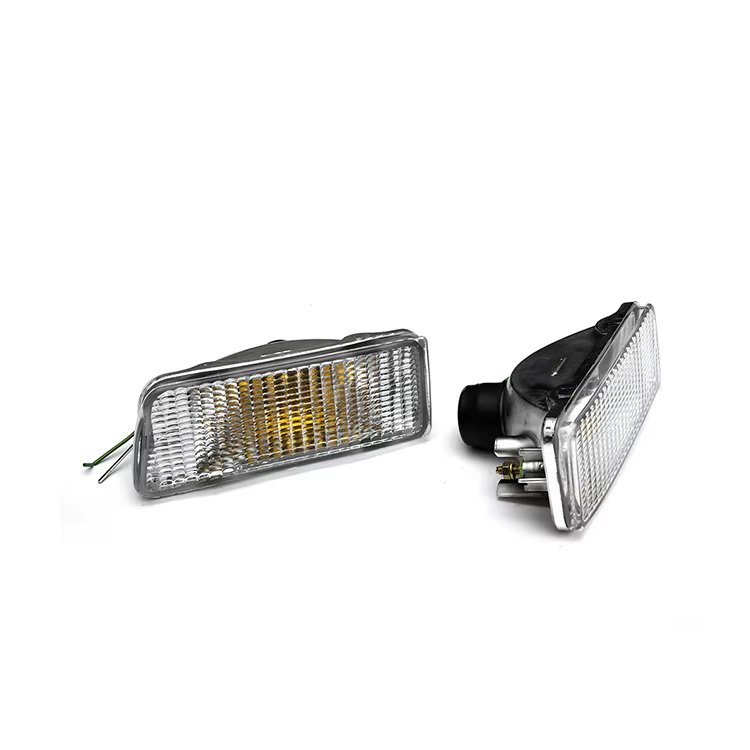
When it comes to road safety for commercial vehicles, few components play as critical a role as the tail light system. Truck Tail Light Design is not merely a matter of aesthetics or regulatory compliance — it is a carefully engineered solution that directly influences how well other drivers perceive a truck's position, speed, and braking behavior on the road. From highways carrying heavy freight to urban delivery routes, the way a tail light is designed determines whether a vehicle is seen in time to prevent a collision.
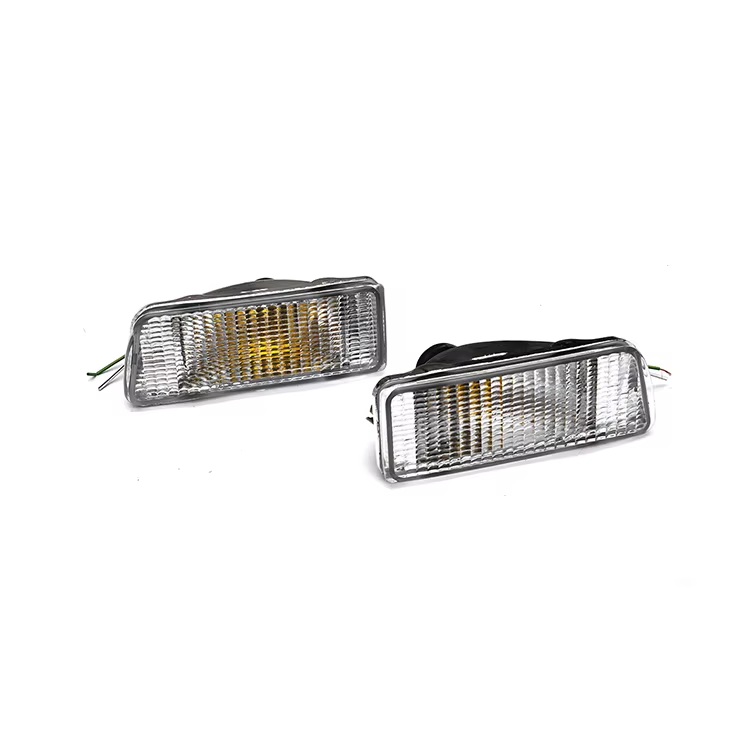
The evolution of Truck Tail Light Design over the past two decades has brought significant improvements in light output, durability, energy efficiency, and signal clarity. Today, fleet operators, vehicle manufacturers, and safety engineers all recognize that investing in a well-thought-out tail light system is one of the most cost-effective ways to reduce rear-end accidents, improve regulatory compliance, and extend vehicle service life. Understanding exactly how design choices translate into real-world safety outcomes is essential for anyone involved in commercial vehicle management or procurement.
The Core Principles Behind Effective Truck Tail Light Design
Light Output and Beam Distribution
One of the most fundamental aspects of Truck Tail Light Design is the intensity and distribution of the emitted light. A tail light must be bright enough to be seen at significant distances, especially under adverse weather conditions such as rain, fog, or heavy snow. Light that is too dim fails to alert following drivers in time, while light that is poorly distributed creates blind spots or uneven visibility angles.
Modern LED-based designs allow engineers to precisely control beam angles and luminous intensity. Unlike older incandescent bulb systems, LED arrays can be configured to emit light across a broader horizontal and vertical spread, ensuring that other drivers — whether directly behind the truck or approaching from a slight angle — receive a clear signal. This wide-angle visibility is a defining characteristic of high-quality Truck Tail Light Design in today's market.
Effective beam distribution also means that the light remains consistent over the product's service life. Degradation in light output is a serious concern in commercial applications where trucks operate around the clock. Quality optical components and thermal management built into the design help maintain stable performance over thousands of operating hours.
Signal Clarity and Differentiation
A well-engineered Truck Tail Light Design must communicate multiple distinct signals — running light, braking alert, and turn indication — without creating confusion for following drivers. Each function requires a specific color, brightness level, and activation behavior. Brake lights typically must be significantly brighter than running lights to create an immediate and unmistakable visual contrast when the driver applies the brakes.
Signal differentiation becomes even more important on large commercial vehicles because the sheer scale of the truck can make it harder for other drivers to interpret movement cues. A dedicated, clearly visible brake signal reduces the reaction time required by following drivers, which is directly linked to reducing the frequency and severity of rear-end collisions. This is why regulatory standards in most markets specify minimum luminous intensity ratios between running and braking modes.
Turn signals within the tail light assembly must also be distinct and dynamic. Sequential or pulsed turn indicators have been shown to attract attention more effectively than static ones, and many advanced Truck Tail Light Design systems now incorporate such dynamic signaling features as a standard element of the design.
How LED Technology Transforms Truck Tail Light Design
Faster Response Times and Reaction Windows
One of the most impactful ways that modern Truck Tail Light Design improves safety is through the use of LED light sources, which activate almost instantaneously compared to traditional incandescent bulbs. Incandescent filament-based bulbs require a brief warm-up period before reaching full brightness — typically around 250 milliseconds. LED systems, by contrast, reach full illumination within microseconds of receiving an electrical signal.
While a fraction of a second may seem insignificant, at highway speeds the difference is substantial. A vehicle traveling at 100 km/h covers approximately 7 meters during that 250-millisecond delay. By eliminating this lag, LED-based Truck Tail Light Design effectively extends the reaction window available to the following driver, which directly reduces the risk of rear-end collisions — one of the most common and dangerous types of commercial vehicle accidents.
Fleet safety studies consistently show that faster signal activation correlates with measurable reductions in following-distance violations and collision rates. This makes the switch to LED an investment not just in hardware, but in the overall safety record of a commercial fleet.
Durability and Consistent Performance in Harsh Conditions
Commercial trucks operate in demanding environments — extreme temperatures, road vibration, water exposure, and dust ingress are routine challenges. A Truck Tail Light Design that cannot withstand these conditions will fail prematurely, creating visibility gaps that compromise safety and result in unplanned maintenance costs. LED technology addresses this through solid-state construction, where there are no fragile filaments or glass envelopes vulnerable to breakage from vibration or impact.
Properly sealed LED tail light assemblies with high IP (Ingress Protection) ratings resist moisture and dust intrusion far more effectively than older designs. This is particularly important for trucks operating in wet climates or on unpaved roads where splash and debris are constant concerns. When a tail light maintains its integrity and brightness across a wide range of operating conditions, it consistently fulfills its safety function regardless of the environment.
The Truck Tail Light Design available for models such as the Isuzu NPR, NQR, and NKR series exemplifies this approach — combining LED efficiency with robust housing materials and sealed connectors that maintain performance even under demanding daily operating schedules.
Structural and Optical Design Elements That Enhance Visibility
Lens Geometry and Light Guide Systems
The physical shape of the lens and the internal optical architecture of a tail light assembly are just as important as the light source itself. Modern Truck Tail Light Design relies on sophisticated light guide systems and prismatic lens optics to direct and distribute light efficiently. These elements determine not just how bright the light appears from directly behind the vehicle, but also how visible it is at wide angles, from elevated positions such as overpasses, and in conditions where the viewing geometry may be less than ideal.
Light guide technology uses total internal reflection within a transparent medium to channel light from LED sources along specific pathways within the lens assembly. This creates uniform illumination across the entire lit surface of the tail light, eliminating the uneven hot spots associated with older discrete-LED designs. Uniform illumination is not just visually cleaner — it is functionally superior because it produces a more consistent and legible signal that is easier for following drivers to interpret quickly.
Prismatic lens surfaces further refract and spread light to maximize angular coverage. A well-designed prism pattern within the lens can extend horizontal visibility to angles beyond 45 degrees from the vehicle centerline, ensuring that drivers in adjacent lanes or on curved roads also receive adequate warning signals from the truck's tail light system.
Housing Materials and Aerodynamic Integration
The housing of a tail light unit influences both its durability and its contribution to vehicle aerodynamics. In modern commercial vehicle design, Truck Tail Light Design increasingly incorporates streamlined housings that reduce aerodynamic drag while still providing the mounting footprint required for adequate light surface area. Materials such as polycarbonate lenses and high-impact ABS housings offer an excellent balance of optical clarity, impact resistance, and long-term UV stability.
UV stability is particularly important for lens longevity. Polycarbonate without UV-stabilizing coatings will yellow and cloud over time when exposed to sunlight, dramatically reducing light transmission and signal visibility. High-quality Truck Tail Light Design incorporates UV-hardened coatings or UV-stabilized base materials to maintain optical clarity throughout the product's designed service life.
The mechanical mounting design also plays a role in safety. Tail light assemblies must remain securely attached even during the significant vibration and flexing that truck body panels experience on rough roads. Well-engineered mounting brackets, gaskets, and locking mechanisms ensure that the light stays aligned and sealed, maintaining both its visibility performance and its protection rating over time.
Regulatory Compliance and Its Connection to Design Standards
International Standards Driving Design Decisions
Regulatory requirements are one of the primary drivers of innovation in Truck Tail Light Design. Standards bodies in major markets — including ECE regulations in Europe, FMVSS standards in North America, and equivalent frameworks across Asia — specify minimum performance thresholds for luminous intensity, color purity, angular visibility, activation response time, and durability. Meeting these standards is not optional; non-compliant vehicles face restrictions on road use and potential liability in the event of accidents.
However, design teams that treat regulatory minimums as the ceiling rather than the floor consistently produce tail light systems that outperform compliance benchmarks in real-world conditions. The most effective Truck Tail Light Design approaches use regulatory standards as a baseline and then engineer beyond those requirements to deliver additional safety margin, particularly in edge cases such as extreme weather, low-sun-angle glare environments, or high-traffic urban scenarios.
Understanding the regulatory landscape is also critical for fleet operators sourcing replacement parts. Using tail light assemblies that meet or exceed applicable standards is not just a matter of legal compliance — it is a direct investment in the safety of drivers, cargo, and other road users who share the road with commercial trucks every day.
OEM Design Integration and Aftermarket Compatibility
Another dimension of Truck Tail Light Design quality is how well an aftermarket unit integrates with the original vehicle architecture. Poor fitment, mismatched connector pinouts, or incompatible mounting geometry can create installation problems that compromise both the mechanical integrity and the electrical reliability of the tail light system. Properly engineered aftermarket designs replicate OEM form factors while incorporating updated LED technology and improved optical performance.
For fleet managers responsible for mixed-age vehicle pools, finding tail light replacements that offer direct OEM compatibility with modern LED upgrades is a significant practical advantage. It reduces installation time, eliminates the need for wiring modifications, and ensures that the replacement unit delivers the same or better visibility performance as the original equipment — all while lowering energy consumption and extending service intervals.
This is why Truck Tail Light Design for specific vehicle platforms — such as the Isuzu NPR/NQR/NKR series — requires careful attention to platform-specific dimensions, connector types, and lighting circuit architecture. Generic designs that do not account for platform-specific requirements often create more problems than they solve for fleet maintenance teams.
Practical Benefits of Upgrading to Modern Truck Tail Light Design
Reduced Accident Risk and Lower Insurance Exposure
The most direct benefit of investing in advanced Truck Tail Light Design is a measurable reduction in rear-end collision risk. Rear-end accidents involving commercial vehicles are disproportionately severe due to the mass and cargo load of the striking or struck vehicle. Even modest improvements in signal visibility and response time can translate into significant reductions in accident frequency and severity over a large fleet operating over millions of kilometers annually.
Fleet operators with strong safety records typically enjoy lower insurance premiums, fewer claims, and better relationships with logistics clients who increasingly audit supplier safety performance as part of their vendor qualification processes. Upgrading to modern Truck Tail Light Design is therefore not just an operational safety decision — it has direct commercial implications for fleet profitability and client retention.
Documentation of safety upgrades, including tail light improvements, also strengthens a fleet operator's position in liability disputes following accidents. Demonstrating that the vehicle was equipped with high-performance lighting systems that exceeded regulatory requirements can be a meaningful factor in legal and insurance proceedings.
Lower Total Cost of Ownership Through Extended Service Life
Modern LED-based Truck Tail Light Design offers dramatically longer service life compared to incandescent predecessors. While traditional bulbs may require replacement every few thousand operating hours, quality LED assemblies are rated for 30,000 hours or more of continuous operation. For a truck operating 10 hours per day, this translates into years of maintenance-free performance from a single tail light unit.
Reduced maintenance frequency lowers both direct parts costs and the indirect costs associated with vehicle downtime, workshop labor, and administrative burden. For large fleets, the cumulative savings across hundreds of vehicles over a multi-year operating cycle can be substantial. This cost advantage, combined with the safety benefits of superior visibility, makes the case for modern Truck Tail Light Design compelling from a pure business economics perspective.
Energy savings also contribute to total cost reduction. LED tail lights consume significantly less electrical power than incandescent equivalents, which reduces the load on the vehicle's alternator and contributes to marginal improvements in fuel efficiency. While this benefit is modest on a per-vehicle basis, it accumulates meaningfully across a large fleet operating continuously over years.
FAQ
What makes LED Truck Tail Light Design safer than traditional incandescent designs?
LED-based Truck Tail Light Design activates nearly instantaneously compared to incandescent bulbs, which require a warm-up period. This faster response time extends the reaction window available to following drivers at highway speeds. Additionally, LED systems produce more consistent light output, maintain brightness over a longer service life, and are more resistant to failure from vibration and harsh environmental conditions — all of which contribute directly to improved road safety.
How does lens design affect the visibility performance of a truck tail light?
Lens geometry and internal optical systems — including light guides and prismatic surfaces — determine how light is distributed across viewing angles. A well-engineered Truck Tail Light Design ensures that the signal is clearly visible not just from directly behind the truck, but also from wide angles, elevated viewpoints, and in adverse weather. Uniform illumination across the lens surface also makes the signal easier to interpret quickly, which is critical for preventing rear-end collisions.
Why is platform-specific Truck Tail Light Design important for fleet maintenance?
Platform-specific Truck Tail Light Design ensures that replacement units match the OEM dimensions, connector types, and mounting architecture of the original equipment. Generic designs that don't account for vehicle-specific requirements can create fitment problems, electrical incompatibilities, and reliability issues that undermine both safety performance and maintenance efficiency. OEM-compatible designs reduce installation time and eliminate the need for wiring modifications, making fleet maintenance simpler and more reliable.
How does Truck Tail Light Design contribute to regulatory compliance?
International and regional standards specify minimum requirements for luminous intensity, color purity, angular visibility, and response time that all commercial vehicle tail lights must meet. A properly engineered Truck Tail Light Design is built to meet or exceed these standards, ensuring that the vehicle remains legally roadworthy across the markets in which it operates. Non-compliant lighting can result in vehicle prohibition, fines, and increased liability exposure in the event of accidents, making compliance a critical dimension of any tail light selection decision.
Table of Contents
- The Core Principles Behind Effective Truck Tail Light Design
- How LED Technology Transforms Truck Tail Light Design
- Structural and Optical Design Elements That Enhance Visibility
- Regulatory Compliance and Its Connection to Design Standards
- Practical Benefits of Upgrading to Modern Truck Tail Light Design
-
FAQ
- What makes LED Truck Tail Light Design safer than traditional incandescent designs?
- How does lens design affect the visibility performance of a truck tail light?
- Why is platform-specific Truck Tail Light Design important for fleet maintenance?
- How does Truck Tail Light Design contribute to regulatory compliance?