 EN
EN


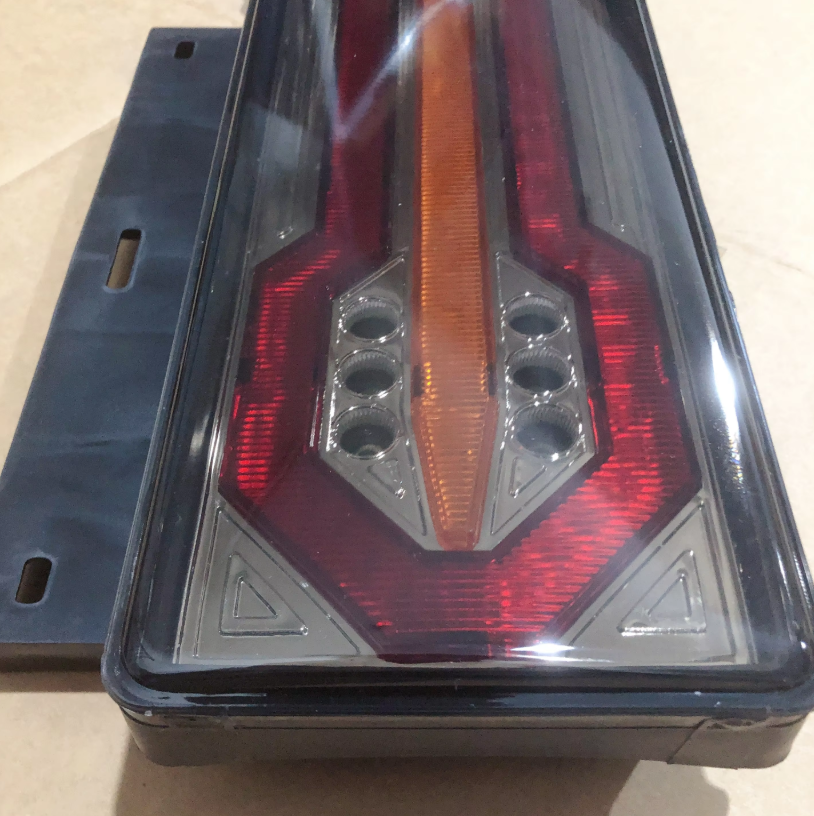
When it comes to commercial vehicle safety, few components carry as much responsibility as the Truck Tail Light. Operating on highways, urban roads, and industrial zones, heavy trucks are among the largest and most visible vehicles on public roads — yet rear-end collisions involving trucks remain a persistently serious safety challenge worldwide. The tail light system is the primary mechanism by which a truck communicates its presence, speed changes, and directional intent to following drivers, especially in low-visibility conditions such as rain, fog, night driving, and dusk. Without a fully functional and regulation-compliant Truck Tail Light, even a well-maintained commercial truck becomes a significant hazard to other road users.
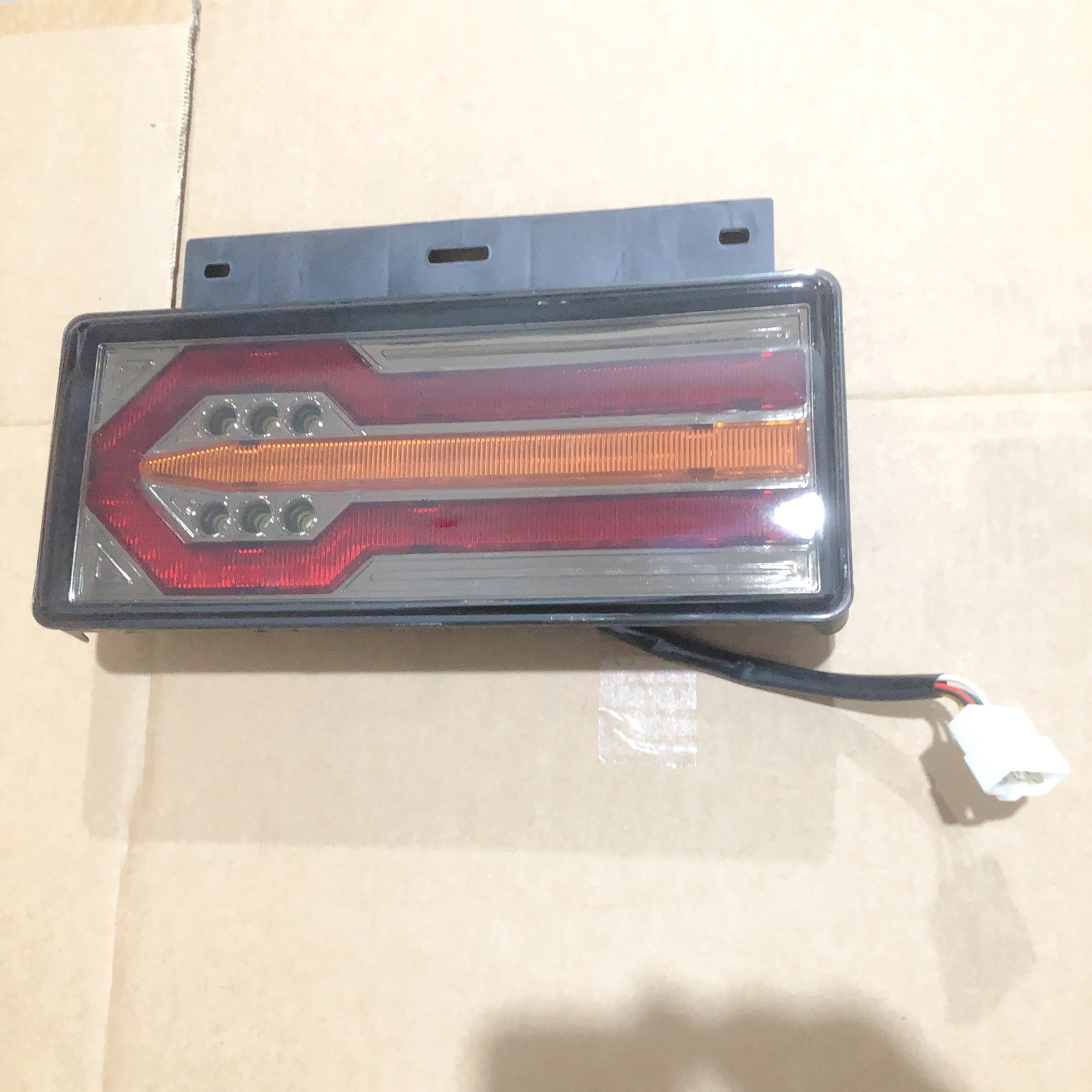
Road safety compliance is not merely a bureaucratic requirement — it is a structured framework designed to reduce accidents, injuries, and fatalities on shared infrastructure. Regulatory bodies in most countries mandate specific standards for rear lighting systems on commercial vehicles, including minimum luminous intensity, color requirements, activation logic, and mounting positions. A Truck Tail Light that fails to meet these standards can result in failed vehicle inspections, fines, operational downtime, and — most critically — preventable accidents. This article explores in depth why the Truck Tail Light is not just a component but a cornerstone of road safety compliance for commercial transport operators.
The Functional Role of a Truck Tail Light in Road Safety
Visual Communication Between Vehicles
The fundamental purpose of a Truck Tail Light is to serve as a real-time visual communication tool between a commercial vehicle and every driver following behind it. Unlike passenger cars, heavy trucks operate at varying speeds, carry massive loads that affect stopping distances, and frequently travel on mixed-traffic roads where speed differentials can be extreme. The tail light alerts other drivers to the truck's deceleration through brake light activation, signals turning intentions through indicator functions, and ensures the vehicle remains visible at all times through continuous tail lamp illumination.
Reaction time is a critical variable in preventing rear-end collisions. Studies in road traffic safety consistently show that even a fraction of a second gained through early, clear visual signaling can be the difference between a near-miss and a fatal crash. A Truck Tail Light that is dim, malfunctioning, or incorrectly positioned reduces the available reaction time for following drivers, increasing the probability of impact significantly. This is why both vehicle manufacturers and regulatory authorities treat rear lighting as a priority safety system rather than a secondary accessory.
Modern LED-based Truck Tail Light assemblies have substantially improved visual communication by offering faster illumination response times compared to traditional incandescent bulbs. LED technology activates at nearly full brightness within milliseconds, providing earlier warning signals to following drivers. This technical advantage has been recognized in international vehicle safety standards, and many markets now strongly encourage or mandate LED compliance for commercial vehicles operating above certain weight classes.
Rear Visibility Under Adverse Conditions
Adverse weather and low-light environments dramatically amplify the importance of a properly functioning Truck Tail Light. In fog, heavy rain, or nighttime conditions, a truck without visible rear lighting can become practically invisible to approaching drivers until it is dangerously close. The rear profile of a large commercial truck presents a significant risk in these scenarios — particularly when the vehicle is decelerating or stationary on a roadway due to traffic, mechanical issues, or loading operations.
Compliance standards address this risk by specifying minimum luminance and beam angle requirements that ensure a Truck Tail Light remains visible from a legally defined distance, even in reduced-visibility conditions. Side visibility requirements also apply in many jurisdictions, ensuring that the truck's rear lighting is detectable not only from directly behind but also from angled approaches. Trucks operating without compliant tail lighting in adverse conditions not only endanger other road users but also expose operators to severe legal liability.
Fleet operators managing vehicles across multiple climate zones or operational environments must account for how weather and environmental exposure affect tail light performance over time. A Truck Tail Light that meets compliance standards when new but degrades rapidly due to moisture ingress, UV exposure, or vibration damage may fall out of compliance well before its scheduled maintenance interval. This makes the choice of a durable, well-sealed tail light assembly a compliance consideration in itself, not just a quality preference.
Regulatory Compliance Requirements for Truck Tail Lights
National and International Standards Governing Tail Lights
Regulatory frameworks governing the Truck Tail Light vary by jurisdiction, but most share a common set of core requirements derived from internationally recognized vehicle safety standards. These include specifications for color — typically red for rear position lamps and brake lights, amber for turn signals — as well as luminous intensity ranges, activation conditions, and physical placement on the vehicle. Some standards also specify the degree of visibility arc, meaning the angle from which the light must remain visible to other road users.
Commercial vehicle operators who cross international borders must ensure their Truck Tail Light systems comply with the standards of each jurisdiction they operate in. Differences between national regulations can be subtle but consequential — a light assembly approved in one country may not satisfy the photometric requirements of another. Businesses that manage cross-border logistics fleets should work closely with compliance specialists and source lighting components that have broad multi-standard certification coverage to minimize regulatory risk.
Vehicle type approval processes in most markets require that a complete Truck Tail Light assembly — including its housing, lens, light source, and electrical interface — be tested and certified as a unit rather than as individual parts. This means that sourcing replacement or aftermarket tail lights requires careful attention to whether the replacement assembly carries the relevant type approvals for the target market. Using uncertified components, even if they appear visually similar to approved assemblies, is a common compliance failure that can result in inspection failures and fines.
Consequences of Non-Compliance for Fleet Operators
The consequences of operating a commercial truck with a non-compliant Truck Tail Light extend far beyond a simple traffic citation. In most jurisdictions, a tail light failure or non-compliance finding during a roadside inspection results in the vehicle being placed out of service until the defect is corrected. For logistics and freight operations, this translates directly into missed delivery windows, customer service failures, and operational revenue loss that significantly outweighs the cost of proper tail light maintenance.
Insurance implications are equally serious. A commercial vehicle involved in a rear-end accident where tail light failure is identified as a contributing factor may face significantly diminished insurance coverage, or insurers may contest liability claims entirely on the basis of the vehicle's non-compliant state. Fleet operators have a legal duty of care to maintain vehicles in roadworthy condition, and a defective Truck Tail Light is considered a fundamental breach of that duty in most legal frameworks.
Repeated compliance failures related to lighting systems can also trigger enhanced scrutiny from transport regulators, including more frequent inspection schedules, audit requirements, or — in severe cases — suspension of operating licenses. Fleet managers who implement proactive tail light inspection and replacement protocols not only avoid these penalties but also build a compliance track record that protects their business during regulatory reviews.
Technical Characteristics That Determine Truck Tail Light Performance
Light Source Technology and Output Quality
The technical performance of a Truck Tail Light is directly tied to the light source technology used in its construction. Incandescent bulb-based assemblies, while historically common, have well-documented limitations including slow warm-up time, sensitivity to vibration, and relatively short service life. These characteristics make them less suitable for the demanding operational environment of heavy commercial trucks, which experience constant vibration from road surfaces and engine operation, significant temperature cycling, and extended daily usage hours.
LED technology has become the dominant choice for modern Truck Tail Light systems due to its superior combination of energy efficiency, brightness, durability, and fast response time. A high-quality LED Truck Tail Light assembly can achieve service lives many times longer than incandescent equivalents, significantly reducing the frequency of replacement and the associated labor costs and vehicle downtime. The lower power draw of LED systems also reduces electrical system strain on the vehicle, which is a meaningful benefit for trucks running multiple electrical accessories simultaneously.
Output quality in a Truck Tail Light is measured not only by raw brightness but also by the uniformity of light distribution across the lens face, the consistency of color temperature across individual LEDs, and the stability of performance across the full operating temperature range. A well-engineered Truck Tail Light maintains consistent output across extreme cold and heat, ensuring compliance with photometric requirements regardless of ambient conditions.
Housing Design, Sealing, and Durability
The housing of a Truck Tail Light assembly plays a critical role in protecting its internal components from the environmental hazards associated with heavy vehicle operation. Road spray, mud, dust, and chemical exposure from road treatments are constant threats to rear lighting assemblies. A tail light housing that lacks adequate IP-rated sealing will allow moisture and contaminants to penetrate, leading to corrosion of electrical connections, lens fogging, and premature LED degradation — all of which directly compromise the safety function of the light.
Impact resistance is another essential housing characteristic for a Truck Tail Light in commercial service. Truck tail sections are vulnerable to minor impacts from dock loading operations, reversing maneuvers, and road debris. A housing constructed from high-grade polycarbonate or similar impact-resistant materials maintains its structural integrity and protective function through these incidental stresses, whereas cheaper materials may crack or deform, exposing the internal components and rendering the assembly non-compliant.
Mounting integrity is also a durability consideration that directly affects compliance. A Truck Tail Light that vibrates loose from its mounting position, even partially, may shift out of its approved photometric orientation, causing it to fail beam angle requirements even if the light source itself remains functional. Proper mounting hardware, vibration-dampening design, and regular inspection of mounting security are all elements of a comprehensive tail light maintenance strategy.
Maintenance Practices That Support Ongoing Compliance
Scheduled Inspection and Replacement Protocols
Maintaining road safety compliance for a commercial fleet requires that the Truck Tail Light be treated as a scheduled maintenance item, not just a reactive repair concern. Pre-trip and post-trip inspections mandated for commercial drivers in most jurisdictions explicitly include rear lighting functionality checks. However, these driver-level checks identify only obvious failures — they do not capture gradual degradation in output intensity, partial LED array failures, or lens clarity reduction that may still result in compliance failure during a formal inspection.
Fleet maintenance programs should include periodic photometric checks using calibrated equipment to verify that each Truck Tail Light assembly still meets the minimum luminance standards required for the markets in which the vehicle operates. These checks, typically conducted at major service intervals, catch compliance drift before it results in inspection failures or, more seriously, real-world visibility failures in adverse conditions. Establishing clear replacement thresholds — rather than waiting for total failure — is a mark of mature fleet compliance management.
When replacement is required, sourcing a Truck Tail Light assembly that is OEM-equivalent or certified to the relevant approval standards is essential. Using substandard replacement parts to reduce short-term parts costs is a false economy that increases both compliance risk and long-term maintenance burden. The total cost of a tail light-related compliance failure — including inspection penalties, vehicle downtime, administrative burden, and potential liability exposure — far exceeds the cost differential between a compliant and a non-compliant replacement assembly.
Environmental and Operational Factors Affecting Tail Light Longevity
The operational environment of a commercial truck significantly influences how quickly a Truck Tail Light assembly will degrade from its initial certified condition. Vehicles operating primarily on unpaved or poorly maintained roads experience substantially higher vibration loads, which accelerate mechanical wear on both the light assembly and its mounting hardware. Fleets operating in coastal or high-humidity environments face accelerated corrosion risks that require more frequent inspection of sealing integrity.
Thermal cycling, driven by the contrast between the heat generated by the light assembly during operation and ambient temperature extremes, can stress the housing materials and sealing compounds of a Truck Tail Light over time. In climates with large diurnal temperature swings or seasonal extremes, operators should select assemblies specifically rated for extended temperature performance and inspect sealing integrity more frequently. Proactive maintenance in these environments prevents the kind of gradual degradation that results in sudden compliance failures during formal inspections.
Chemical exposure from road treatments such as salt, de-icing compounds, and industrial spills can attack the external surfaces of a Truck Tail Light assembly, degrading lens clarity and surface coatings that contribute to compliant light output and visibility. Regular cleaning as part of vehicle washing protocols, combined with periodic inspection of surface condition, extends the service life of tail light assemblies and maintains their contribution to the vehicle's overall compliance status.
FAQ
What happens if a Truck Tail Light fails during a roadside inspection?
A failed or non-compliant Truck Tail Light identified during a roadside inspection will typically result in the vehicle being placed out of service until the defect is corrected. Depending on the jurisdiction, the operator may also face fines or citations. The vehicle cannot legally continue its journey until the tail light is repaired or replaced with a compliant assembly and re-inspected. This underscores the importance of proactive maintenance to avoid unexpected operational disruptions.
Can an aftermarket Truck Tail Light be used for compliance purposes?
Yes, an aftermarket Truck Tail Light can be used provided it carries the appropriate type approvals and certifications for the jurisdiction in which the vehicle operates. Not all aftermarket options meet the required photometric and safety standards, so fleet operators must verify certification documentation before installation. A visually similar but uncertified replacement assembly may appear acceptable but could still result in a compliance failure during formal testing or inspection.
How often should a Truck Tail Light be inspected in a commercial fleet?
At minimum, a Truck Tail Light should be checked as part of every pre-trip and post-trip driver inspection. Beyond this basic check, comprehensive photometric and structural inspections should be conducted at major service intervals — typically every major mileage or hourly service threshold, or more frequently for vehicles operating in harsh environments. Establishing clear replacement thresholds based on measured performance rather than total failure is the recommended approach for compliance-focused fleet maintenance programs.
Why is LED technology preferred for a Truck Tail Light in compliance-driven applications?
LED technology is preferred for a Truck Tail Light in compliance-driven applications because it offers faster activation response times, longer service life, higher vibration resistance, and more consistent photometric output across a wide temperature range compared to incandescent alternatives. These characteristics reduce both the frequency of replacement-related compliance gaps and the risk of in-service performance degradation falling below regulatory thresholds. LED assemblies also tend to maintain their output consistency more reliably over time, supporting ongoing compliance throughout the service life of the assembly.
Table of Contents
- The Functional Role of a Truck Tail Light in Road Safety
- Regulatory Compliance Requirements for Truck Tail Lights
- Technical Characteristics That Determine Truck Tail Light Performance
- Maintenance Practices That Support Ongoing Compliance
-
FAQ
- What happens if a Truck Tail Light fails during a roadside inspection?
- Can an aftermarket Truck Tail Light be used for compliance purposes?
- How often should a Truck Tail Light be inspected in a commercial fleet?
- Why is LED technology preferred for a Truck Tail Light in compliance-driven applications?