 EN
EN


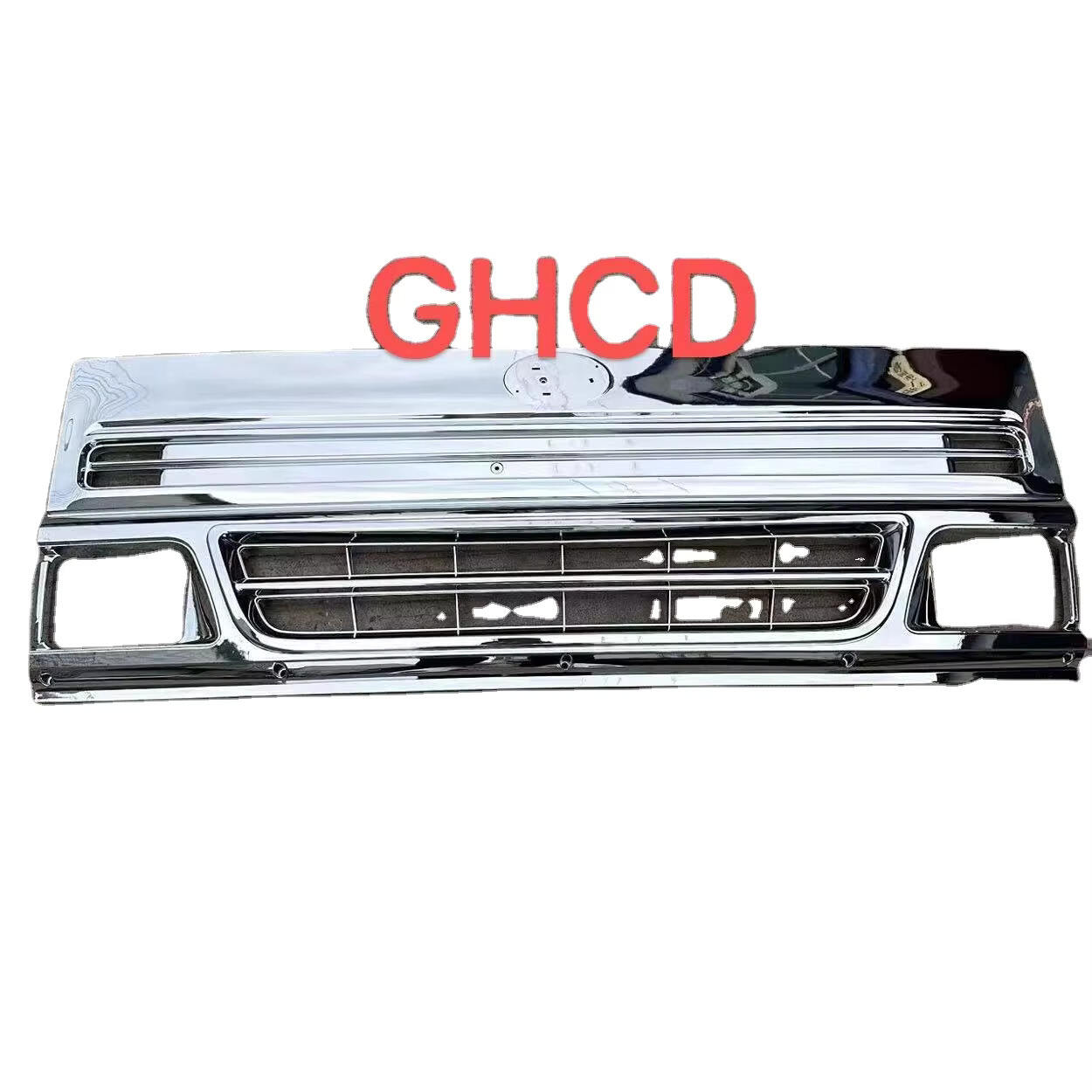
Fleet managers face constant pressure to balance operational efficiency with cost control while maintaining the highest safety standards across their vehicle fleets. Among the countless decisions they make daily, the selection and prioritization of heavy-duty bumpers stands out as a critical investment that directly impacts both immediate operational costs and long-term fleet sustainability. Understanding why experienced fleet managers consistently allocate significant budget resources toward premium heavy-duty bumpers reveals the strategic thinking behind successful commercial vehicle operations.
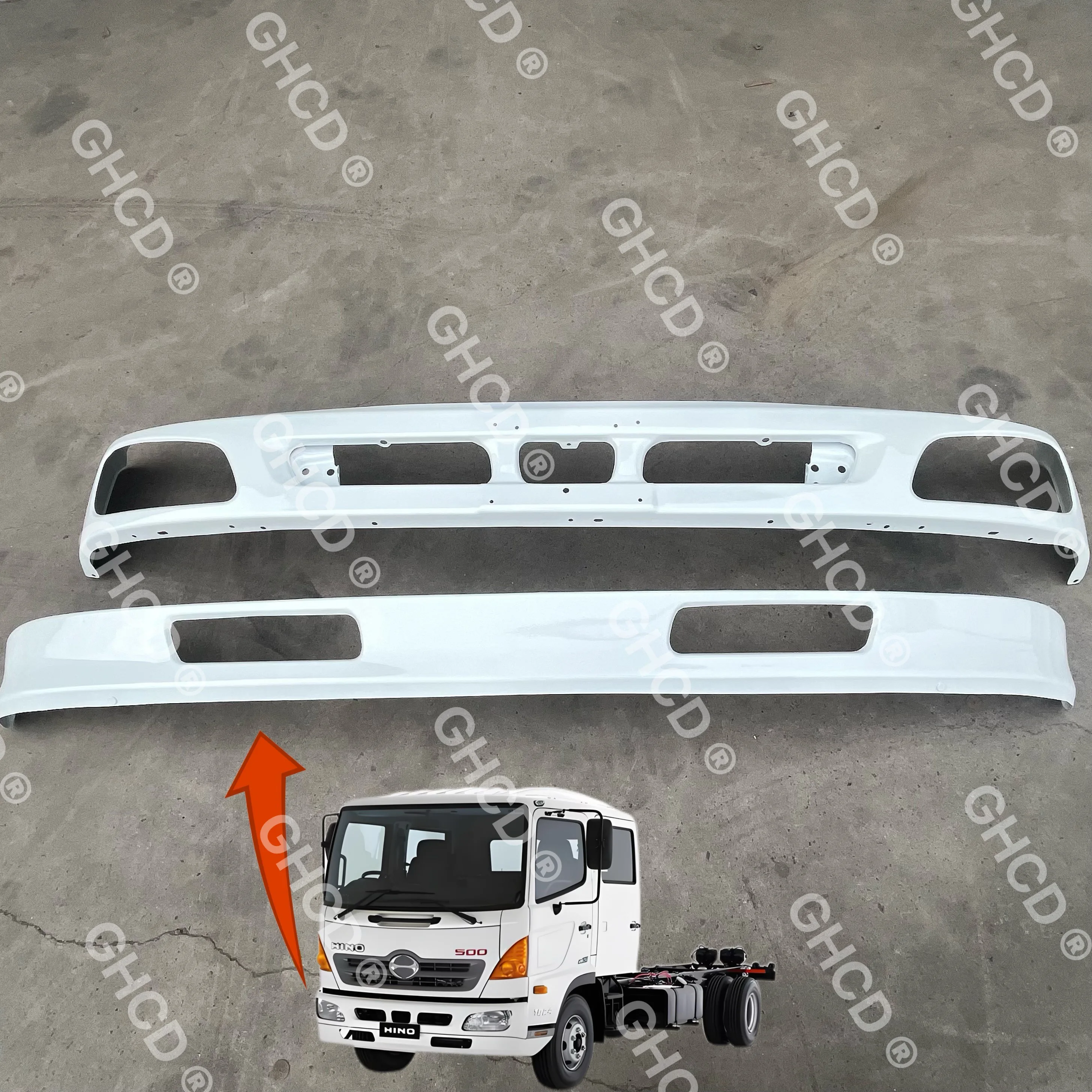
The prioritization of heavy-duty bumpers stems from their fundamental role as the first line of defense in commercial vehicle protection systems. These components serve as critical barriers between expensive vehicle systems and the harsh realities of commercial transportation environments, where minor impacts can cascade into major operational disruptions. Fleet managers recognize that investing in robust heavy-duty bumpers represents a proactive approach to risk management that pays dividends through reduced downtime, lower repair costs, and enhanced driver confidence in challenging operational conditions.
Operational Cost Reduction Through Strategic Protection
Direct Impact Damage Prevention
Heavy-duty bumpers serve as the primary defense mechanism against costly front-end collisions that frequently occur during loading dock operations, tight maneuvering situations, and urban delivery routes. Fleet managers understand that even minor impacts without proper bumper protection can result in damage to expensive components such as radiators, air conditioning condensers, and integrated lighting systems. The strategic placement of reinforced heavy-duty bumpers creates a protective barrier that absorbs and distributes impact energy away from these vulnerable components.
The financial implications of inadequate bumper protection become evident when considering the cascading costs associated with front-end damage. Beyond immediate repair expenses, fleet managers must account for vehicle downtime, replacement vehicle rentals, driver reassignment costs, and potential delivery delays that impact customer satisfaction. Heavy-duty bumpers effectively minimize these operational disruptions by providing superior impact resistance compared to standard factory bumpers that often prioritize weight reduction over protection capability.
Maintenance Schedule Optimization
Professional fleet managers recognize that heavy-duty bumpers contribute to more predictable maintenance schedules by reducing the frequency of unexpected repairs caused by minor collision damage. Standard bumpers often require replacement or significant repair after relatively minor impacts, creating unpredictable maintenance events that disrupt carefully planned service schedules. The enhanced durability of heavy-duty bumpers allows fleet managers to maintain consistent preventive maintenance routines without frequent emergency interventions.
This predictability extends beyond the bumpers themselves to the protection they provide for surrounding vehicle systems. When heavy-duty bumpers effectively prevent damage to cooling systems, electrical components, and structural elements, fleet managers can rely on manufacturer-recommended maintenance intervals rather than dealing with premature component failures caused by impact damage. This operational consistency translates to better resource allocation, improved fleet availability, and more accurate budgeting for maintenance expenditures.
Safety Enhancement and Risk Mitigation
Driver Protection and Confidence
Fleet managers prioritize heavy-duty bumpers because they significantly enhance driver safety during the challenging conditions that commercial vehicle operators face daily. These reinforced protection systems provide drivers with greater confidence when navigating tight spaces, backing into loading docks, and maneuvering in congested urban environments where contact with obstacles is a constant risk. The psychological impact of knowing their vehicle is equipped with superior protection allows drivers to focus on efficient operations rather than excessive caution that can reduce productivity.
The safety benefits of heavy-duty bumpers extend beyond psychological comfort to measurable protection during actual impact events. These systems are engineered to absorb and distribute impact energy more effectively than standard bumpers, reducing the transmission of crash forces to the vehicle cabin and cargo areas. For fleet managers responsible for driver welfare and regulatory compliance, this enhanced protection capability represents a crucial investment in workforce safety that can reduce workers' compensation claims and improve driver retention rates.
Regulatory Compliance and Liability Management
Commercial fleet operations must comply with increasingly stringent safety regulations that emphasize vehicle integrity and occupant protection. Heavy-duty bumpers help fleet managers meet and exceed these regulatory requirements by providing superior crash performance compared to minimal factory equipment. The robust construction and impact resistance of these systems contribute to better outcomes in regulatory safety inspections and demonstrate the fleet operator's commitment to exceeding minimum safety standards.
From a liability perspective, fleet managers understand that investing in heavy-duty bumpers can provide important legal protections in the event of accidents or insurance claims. Insurance companies often recognize the risk reduction benefits of enhanced safety equipment through improved premium rates or coverage terms. Additionally, the documented safety benefits of heavy-duty bumpers can serve as evidence of reasonable safety precautions in legal proceedings, potentially reducing liability exposure for fleet operators.
Asset Value Preservation and Resale Optimization
Long-Term Vehicle Condition Maintenance
Experienced fleet managers understand that heavy-duty bumpers play a crucial role in preserving the overall condition and market value of their commercial vehicles throughout their operational lifecycle. These protective systems prevent the accumulation of minor damage that, while individually insignificant, collectively reduces vehicle appearance and structural integrity over time. By maintaining better cosmetic and functional condition, vehicles equipped with heavy-duty bumpers retain higher resale values when fleet managers decide to upgrade or rotate their equipment.
The preservation of vehicle condition extends beyond external appearance to include protection of underlying structural components that significantly impact resale value. Heavy-duty bumpers prevent damage to frame rails, mounting points, and integrated systems that potential buyers carefully evaluate during vehicle inspections. Fleet managers who prioritize these protective systems can command higher prices in the used vehicle market and reduce the total cost of ownership across their fleet operations.
Fleet Standardization Benefits
Strategic fleet managers often prioritize heavy-duty bumpers as part of comprehensive vehicle standardization programs that streamline maintenance operations, parts inventory management, and driver training requirements. When all vehicles in a fleet are equipped with similar heavy-duty bumper systems, maintenance technicians become more familiar with repair procedures, parts availability improves through volume purchasing, and drivers can transition between vehicles without adjusting to different protection capabilities.
This standardization approach also simplifies insurance evaluations and risk assessments, as fleet managers can demonstrate consistent safety equipment across their operations. Insurance providers often offer more favorable terms for fleets that maintain standardized safety equipment, recognizing the reduced risk variability that comes with uniform heavy-duty bumper protection across all vehicles in the fleet.
Operational Efficiency and Productivity Gains
Reduced Downtime and Service Disruptions
Fleet managers prioritize heavy-duty bumpers because they directly contribute to improved operational efficiency by minimizing vehicle downtime caused by collision damage. In commercial transportation operations, every day a vehicle spends in repair represents lost revenue opportunity and potential service disruptions that can impact customer relationships. Heavy-duty bumpers significantly reduce the likelihood that minor impacts will result in service-affecting damage, allowing fleet managers to maintain consistent service delivery schedules.
The operational benefits extend to resource allocation efficiency, as fleet managers can deploy their vehicles with greater confidence in challenging operational environments. Drivers equipped with heavy-duty bumper protection can operate more efficiently in tight spaces, loading facilities, and construction zones where contact risks are elevated. This operational flexibility allows fleet managers to accept contracts and routes that might otherwise be considered too risky with standard vehicle protection.
Insurance and Risk Management Advantages
Professional fleet managers understand that heavy-duty bumpers contribute to favorable insurance relationships through demonstrated risk reduction and lower claim frequencies. Insurance providers recognize that fleets equipped with superior protection systems experience fewer collision-related claims, particularly for minor incidents that often result in disproportionately expensive repairs. This reduction in claim frequency and severity can translate to lower premiums and better coverage terms for fleet operators who invest in heavy-duty bumper systems.
The risk management benefits of heavy-duty bumpers extend beyond direct collision protection to include improved driver behavior and operational confidence. When drivers know their vehicles are equipped with superior protection, they often demonstrate more consistent performance in challenging operational conditions, leading to fewer accidents and better overall safety records that further improve insurance relationships and reduce total risk management costs.
FAQ
How do heavy-duty bumpers differ from standard factory bumpers in terms of protection capability?
Heavy-duty bumpers are constructed with reinforced materials and engineering designs that provide significantly greater impact resistance compared to standard factory bumpers. While factory bumpers are often designed to meet minimum regulatory requirements while optimizing weight and cost, heavy-duty bumpers prioritize maximum protection through thicker gauge steel, reinforced mounting systems, and energy-absorbing structures that better distribute impact forces away from vulnerable vehicle components.
What is the typical return on investment period for heavy-duty bumper upgrades in commercial fleets?
Most fleet managers experience positive return on investment for heavy-duty bumper upgrades within 12 to 18 months through reduced repair costs, decreased downtime, and lower insurance claims. The exact payback period depends on operational conditions, vehicle utilization rates, and the frequency of minor collision incidents. Fleets operating in urban environments or challenging loading facilities often see faster returns due to higher impact frequencies in these operational conditions.
Do heavy-duty bumpers require special maintenance or inspection procedures compared to standard bumpers?
Heavy-duty bumpers typically require minimal additional maintenance beyond standard visual inspections for damage, proper mounting, and structural integrity. However, their robust construction often makes them more tolerant of operational impacts and less prone to damage-related maintenance issues. Fleet managers should include bumper condition checks in regular vehicle inspections and ensure that mounting hardware remains properly torqued according to manufacturer specifications.
How do insurance companies evaluate vehicles equipped with heavy-duty bumpers for coverage and premium purposes?
Insurance providers generally view heavy-duty bumpers favorably as risk reduction equipment that demonstrates proactive safety management by fleet operators. Many insurers offer premium discounts or improved coverage terms for fleets that standardize enhanced safety equipment, including heavy-duty bumper systems. Fleet managers should document their safety equipment investments and discuss potential insurance benefits with their providers to maximize the financial advantages of these protective systems.
Table of Contents
- Operational Cost Reduction Through Strategic Protection
- Safety Enhancement and Risk Mitigation
- Asset Value Preservation and Resale Optimization
- Operational Efficiency and Productivity Gains
-
FAQ
- How do heavy-duty bumpers differ from standard factory bumpers in terms of protection capability?
- What is the typical return on investment period for heavy-duty bumper upgrades in commercial fleets?
- Do heavy-duty bumpers require special maintenance or inspection procedures compared to standard bumpers?
- How do insurance companies evaluate vehicles equipped with heavy-duty bumpers for coverage and premium purposes?