 EN
EN


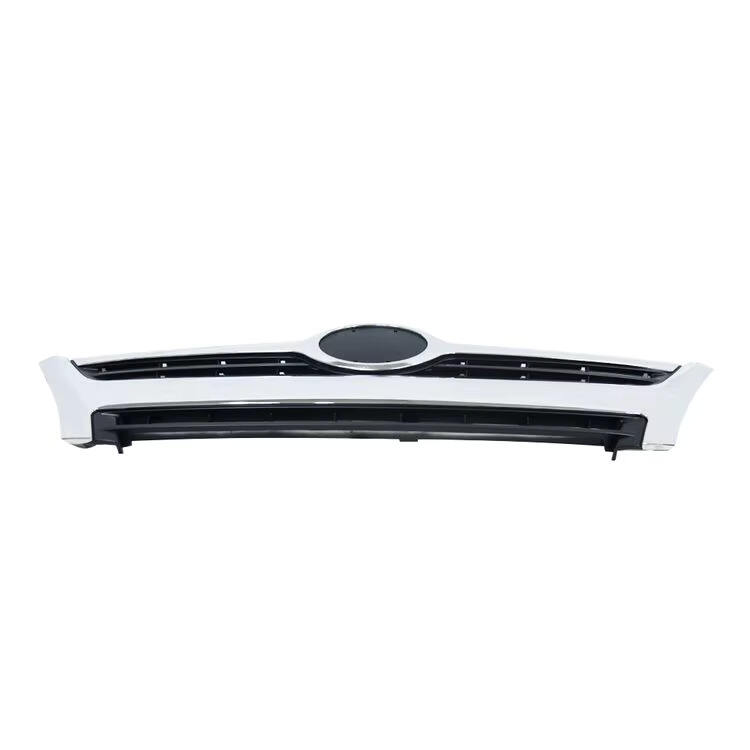
Fleet managers operating commercial Mitsubishi trucks face constant pressure to minimize downtime, reduce repair costs, and maintain operational efficiency across diverse working environments. The decision to prioritize heavy-duty bumpers represents a strategic investment that directly impacts fleet profitability and vehicle longevity. Understanding the compelling reasons behind this prioritization reveals why experienced fleet operators consistently choose reinforced bumper systems over standard factory equipment when managing Mitsubishi truck fleets.
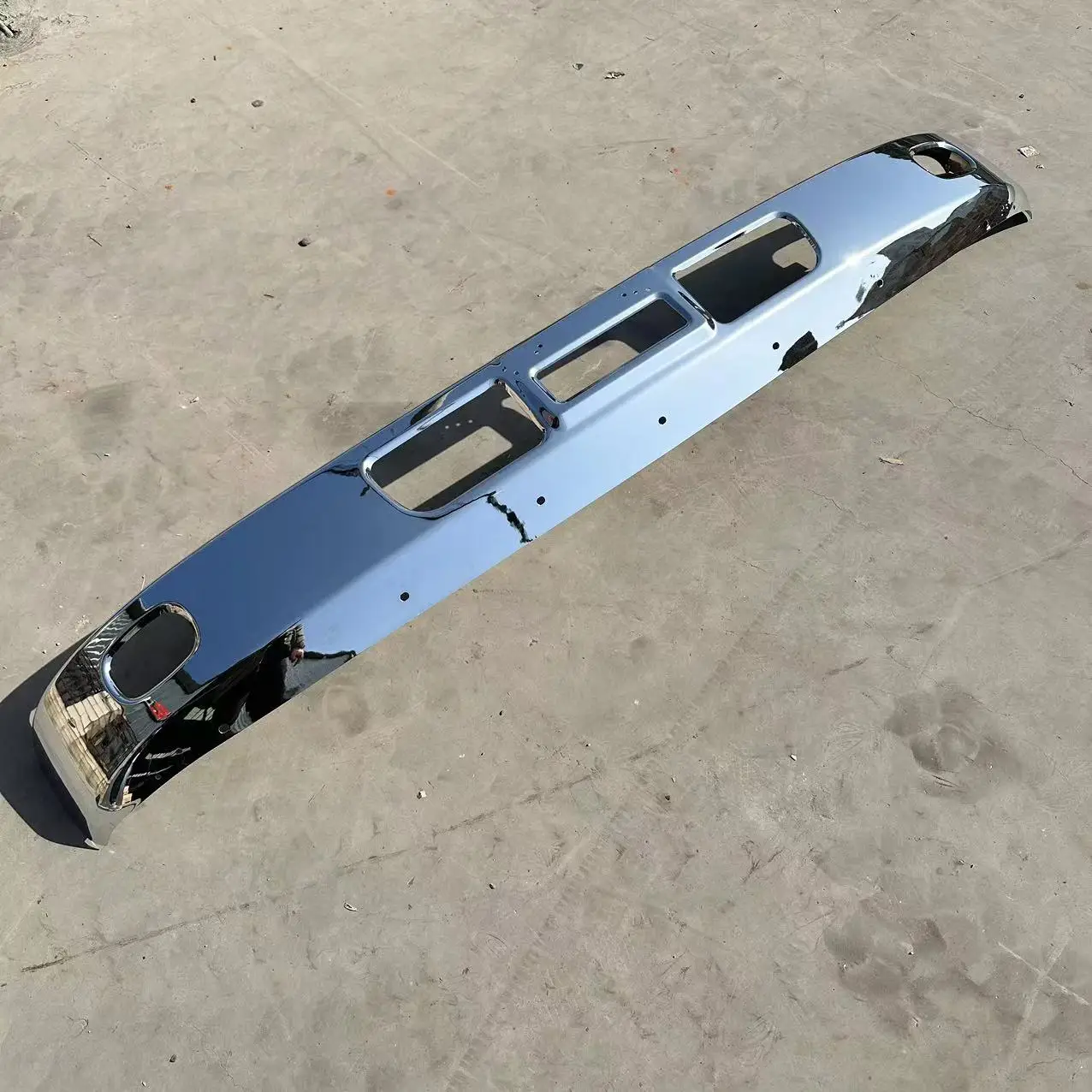
The commercial trucking industry demands equipment that can withstand harsh conditions while delivering reliable performance day after day. Fleet managers recognize that heavy-duty bumpers serve as the first line of defense against costly damage, protecting valuable Mitsubishi trucks from impacts that could otherwise result in significant repair bills and extended vehicle downtime. This strategic approach to vehicle protection has become increasingly important as fleet operations expand into more challenging environments and face tighter delivery schedules.
Financial Protection and Cost Management
Reducing Accident-Related Repair Costs
Heavy-duty bumpers provide substantial financial protection by absorbing and distributing impact forces that would otherwise damage critical truck components. Fleet managers understand that a single accident involving frame damage or radiator destruction can cost thousands of dollars in repairs, far exceeding the initial investment in quality heavy-duty bumpers. These reinforced systems are engineered to protect expensive engine components, cooling systems, and structural elements that are essential for continued operation.
The cost-benefit analysis becomes particularly compelling when fleet managers calculate the potential savings from preventing just one major collision repair. Standard bumpers often transfer impact energy directly to underlying components, resulting in cascading damage that extends repair time and increases labor costs. Heavy-duty bumpers create a protective barrier that significantly reduces the likelihood of costly secondary damage during minor collisions or impact events.
Minimizing Vehicle Downtime
Operational continuity represents a critical concern for fleet managers who must maintain service schedules and meet customer commitments. Heavy-duty bumpers help prevent damage that could remove Mitsubishi trucks from service for extended periods, ensuring consistent fleet availability. When standard bumpers fail during impact events, the resulting damage often requires extensive repair work that can keep vehicles sidelined for days or weeks.
Fleet managers prioritize heavy-duty bumpers because they understand that vehicle availability directly correlates with revenue generation. Every day a truck remains in service rather than undergoing repair represents continued earning potential. The enhanced protection provided by heavy-duty bumpers helps maintain fleet productivity by reducing the frequency and severity of collision-related downtime, allowing managers to optimize vehicle utilization across their operations.
Operational Durability in Demanding Environments
Construction and Industrial Site Protection
Mitsubishi trucks operating in construction zones, mining sites, and industrial facilities face constant exposure to debris, equipment, and challenging terrain that can damage standard bumper systems. Fleet managers working in these sectors understand that heavy-duty bumpers provide essential protection against the unique hazards present in these environments. The reinforced construction and impact-resistant materials used in heavy-duty bumpers are specifically designed to withstand the harsh conditions typical of industrial operations.
Construction sites present numerous collision risks, from backing into equipment to navigating through tight spaces filled with protruding materials. Heavy-duty bumpers offer enhanced clearance and protection that helps Mitsubishi trucks operate safely in these confined spaces. Fleet managers recognize that the additional protection translates to reduced maintenance requirements and fewer unexpected repairs that could disrupt project timelines.
Highway and Long-Haul Applications
Long-distance hauling operations expose Mitsubishi trucks to diverse road conditions, weather patterns, and traffic situations that increase collision risks. Fleet managers prioritize heavy-duty bumpers for highway operations because these systems provide enhanced protection during high-speed impacts and improve vehicle aerodynamics. The robust construction helps maintain structural integrity even when vehicles encounter road debris or experience minor collision events at highway speeds.
Highway fleet operations require equipment that can handle unexpected situations while maintaining operational safety. Heavy-duty bumpers contribute to overall vehicle stability and provide mounting points for additional safety equipment such as lights and warning devices. This versatility allows fleet managers to customize their Mitsubishi trucks for specific operational requirements while maintaining the enhanced protection that heavy-duty bumpers provide.
Enhanced Safety and Liability Management
Driver Protection and Confidence
Fleet managers recognize that driver safety directly impacts operational efficiency, insurance costs, and regulatory compliance. Heavy-duty bumpers contribute to enhanced driver protection by providing superior impact absorption and maintaining cabin integrity during collision events. Professional drivers operating Mitsubishi trucks equipped with heavy-duty bumpers often report increased confidence when navigating challenging environments or dense traffic conditions.
The psychological benefits of enhanced protection should not be underestimated when managing professional drivers. Heavy-duty bumpers provide visible evidence of fleet commitment to safety, which can improve driver retention and job satisfaction. Fleet managers understand that confident, well-protected drivers are more likely to operate vehicles safely and report potential issues before they become costly problems.
Insurance and Regulatory Considerations
Insurance companies increasingly recognize the risk reduction benefits of heavy-duty bumpers, often reflecting this recognition in premium calculations and claim assessments. Fleet managers who invest in heavy-duty bumpers may qualify for reduced insurance rates or favorable claim treatment when accidents occur. The enhanced protection demonstrates proactive risk management that insurance providers value when evaluating fleet safety profiles.
Regulatory compliance becomes increasingly important as safety standards evolve and enforcement intensifies. Heavy-duty bumpers help fleet managers maintain compliance with safety regulations while demonstrating due diligence in vehicle protection. This proactive approach to safety equipment can provide valuable protection during regulatory inspections and accident investigations.
Long-Term Vehicle Value Preservation
Maintaining Resale Value
Fleet managers must consider the long-term financial implications of their equipment decisions, including vehicle resale value and trade-in potential. Heavy-duty bumpers help preserve the structural integrity and appearance of Mitsubishi trucks throughout their service lives, maintaining higher resale values when vehicles are eventually replaced. Potential buyers recognize the protective benefits that heavy-duty bumpers provide and often view these upgrades as valuable features that justify premium pricing.
The preservation of vehicle appearance represents another important factor in maintaining resale value. Heavy-duty bumpers protect critical visual elements of Mitsubishi trucks from damage that could significantly reduce market appeal. Fleet managers understand that well-maintained vehicles with minimal collision damage command higher prices in the used truck market, making heavy-duty bumpers a valuable long-term investment.
Extending Service Life
Vehicle longevity directly impacts fleet replacement cycles and capital expenditure planning. Heavy-duty bumpers contribute to extended service life by protecting critical components from damage that could accelerate vehicle retirement. Fleet managers prioritize these protective systems because they help maximize the return on initial vehicle investments while maintaining operational capability throughout extended service periods.
The cumulative effect of protection provided by heavy-duty bumpers becomes apparent over time as vehicles with enhanced protection systems require fewer major repairs and maintain better overall condition. This protection allows fleet managers to optimize replacement schedules based on planned obsolescence rather than unexpected damage or premature wear. The ability to predict and control vehicle replacement timing provides significant advantages in budget planning and operational continuity.
FAQ
What specific features make heavy-duty bumpers superior to standard bumpers on Mitsubishi trucks?
Heavy-duty bumpers feature reinforced steel construction, enhanced impact absorption materials, and integrated mounting systems that provide superior protection compared to standard bumpers. They typically include thicker gauge steel, improved welding techniques, and additional structural bracing that helps distribute impact forces across the vehicle frame. These design elements work together to prevent damage to critical components while maintaining the bumper's structural integrity during collision events.
How do heavy-duty bumpers affect fuel efficiency and vehicle performance?
Modern heavy-duty bumpers are engineered to minimize negative impacts on fuel efficiency through aerodynamic design and weight optimization. While they may add some weight compared to standard bumpers, the improved aerodynamics and enhanced protection often offset any minor fuel consumption increases. Fleet managers typically find that the operational benefits and cost savings from reduced damage far outweigh any minimal impact on fuel efficiency.
Are heavy-duty bumpers compatible with existing fleet maintenance procedures?
Heavy-duty bumpers are designed to integrate seamlessly with standard fleet maintenance procedures and existing service protocols. They typically require no special tools or training for routine inspection and maintenance. Most heavy-duty bumper systems are engineered to work with standard Mitsubishi truck service procedures, ensuring that fleet maintenance teams can continue using established protocols without disruption or additional training requirements.
What factors should fleet managers consider when selecting heavy-duty bumpers for their Mitsubishi trucks?
Fleet managers should evaluate operational environment, typical impact risks, mounting compatibility, and total cost of ownership when selecting heavy-duty bumpers. Key considerations include the specific working conditions their trucks encounter, the level of protection required, integration with existing safety equipment, and long-term maintenance requirements. Additionally, managers should consider warranty coverage, supplier support, and the bumper's compliance with relevant safety regulations and industry standards.
Table of Contents
- Financial Protection and Cost Management
- Operational Durability in Demanding Environments
- Enhanced Safety and Liability Management
- Long-Term Vehicle Value Preservation
-
FAQ
- What specific features make heavy-duty bumpers superior to standard bumpers on Mitsubishi trucks?
- How do heavy-duty bumpers affect fuel efficiency and vehicle performance?
- Are heavy-duty bumpers compatible with existing fleet maintenance procedures?
- What factors should fleet managers consider when selecting heavy-duty bumpers for their Mitsubishi trucks?