 EN
EN


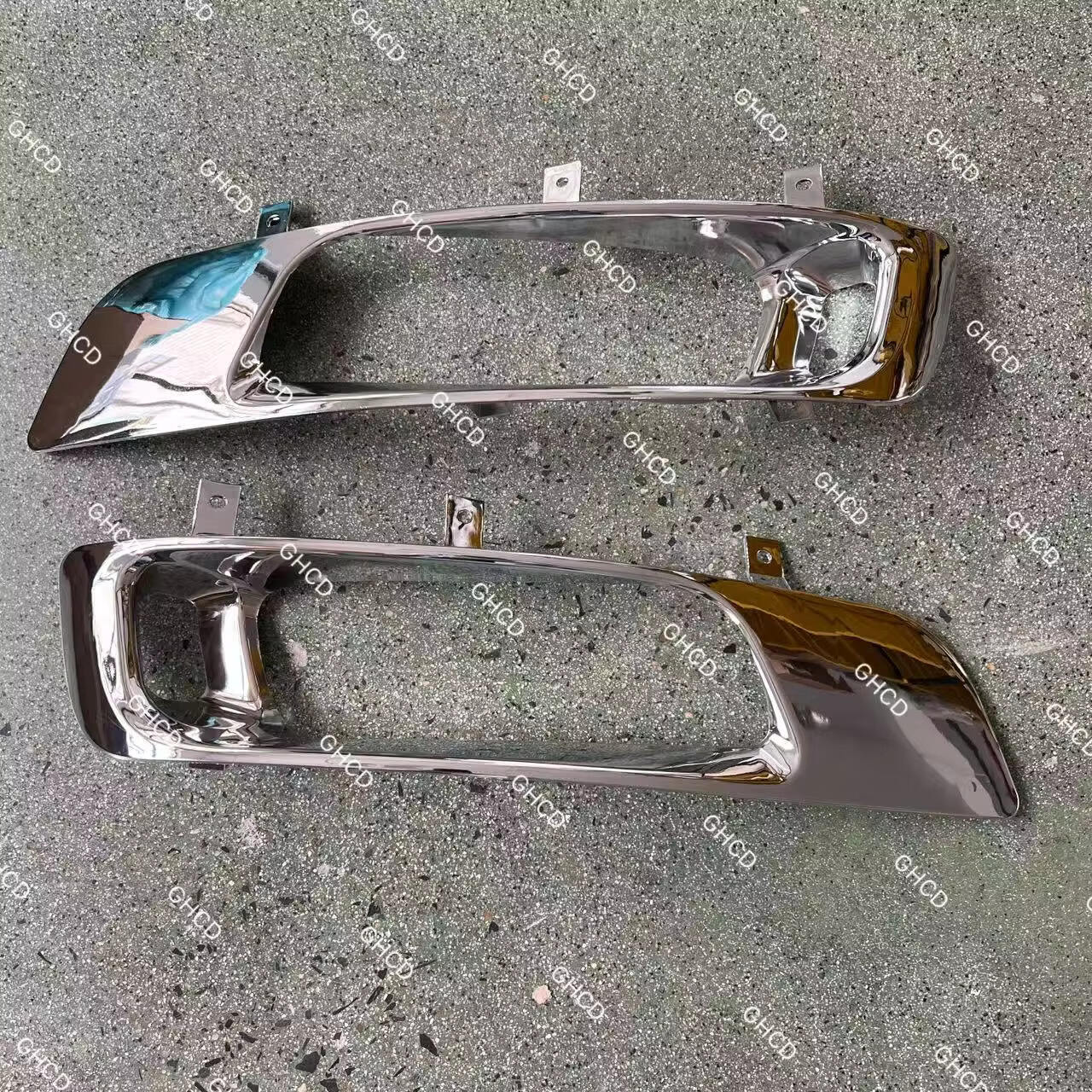
Heavy-duty vehicles operating in harsh environments face unique challenges when it comes to maintaining exterior components, particularly side skirts. These critical aerodynamic and protective elements endure constant exposure to extreme weather conditions, abrasive materials, corrosive substances, and mechanical stress that can significantly impact their performance and longevity. Understanding proper maintenance protocols for side skirts becomes essential for fleet operators and vehicle owners who need to maximize component lifespan while maintaining operational efficiency in demanding working conditions.
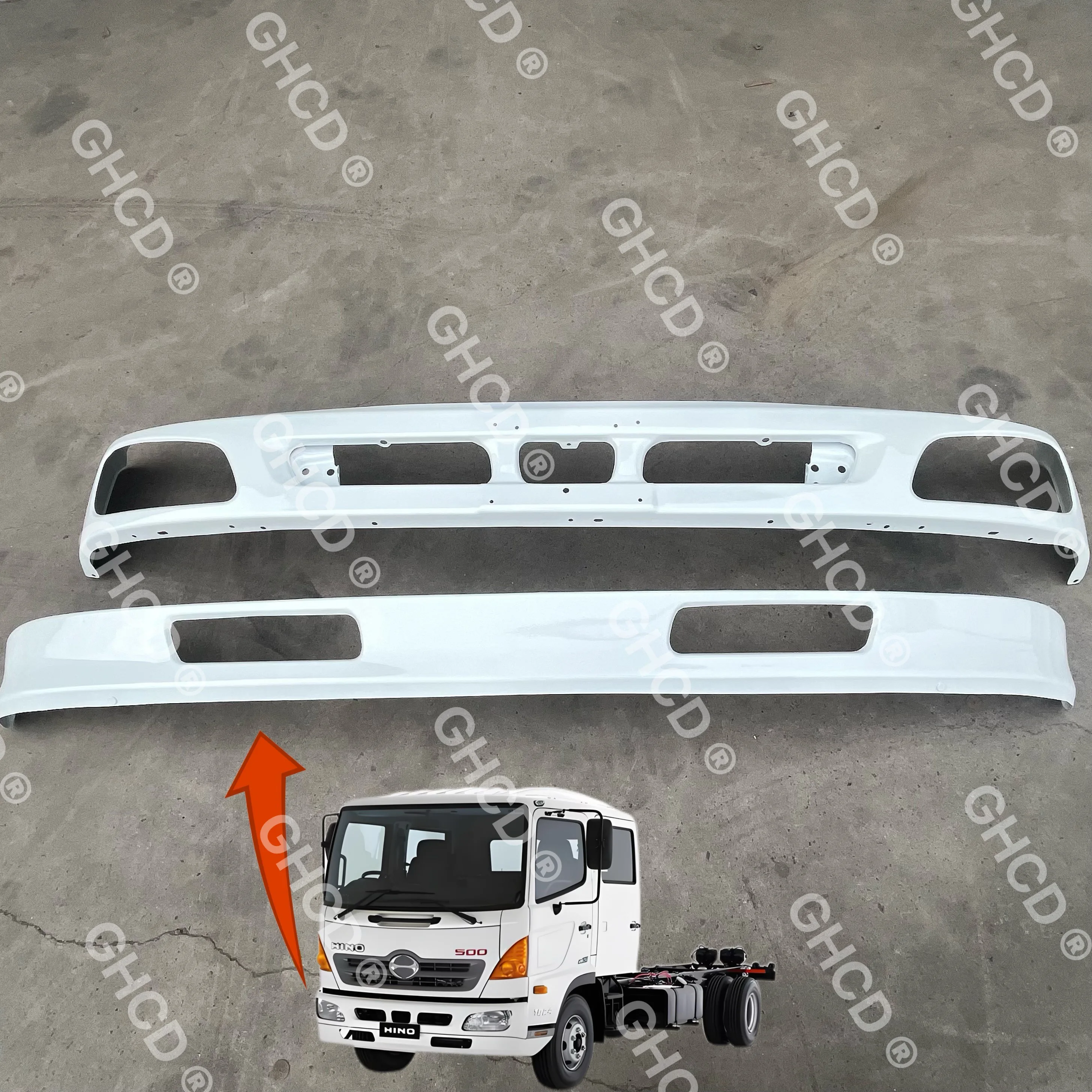
Harsh environment exposure accelerates wear patterns on side skirts through multiple degradation mechanisms including UV radiation damage, thermal cycling stress, chemical corrosion, impact damage from road debris, and contamination buildup from industrial operations. These factors combine to create maintenance challenges that require systematic approaches to prevent premature failure and costly replacements. Implementing targeted maintenance strategies specifically designed for harsh environment conditions ensures side skirts continue providing aerodynamic benefits, chassis protection, and regulatory compliance throughout their intended service life.
Environmental Assessment and Risk Identification
Classifying Harsh Environment Conditions
Effective maintenance begins with accurately classifying the specific harsh environment conditions affecting side skirts during vehicle operation. Desert environments present extreme temperature fluctuations, abrasive sand exposure, and intense UV radiation that degrades polymer materials and protective coatings. These conditions cause thermal expansion and contraction cycles that stress mounting hardware and create fatigue points in side skirt structures.
Marine and coastal environments introduce salt spray corrosion, high humidity levels, and constant moisture exposure that accelerates metal component deterioration and compromises protective finishes. Industrial environments add chemical exposure risks from processing facilities, refineries, and manufacturing plants where airborne contaminants settle on side skirts and create corrosive conditions requiring specialized cleaning and protection protocols.
Cold climate operations subject side skirts to freeze-thaw cycling, road salt exposure, ice impact damage, and thermal shock conditions that affect material flexibility and structural integrity. Understanding these specific environmental stressors allows maintenance teams to develop targeted inspection schedules and protective measures that address the most critical degradation mechanisms affecting side skirt performance.
Damage Pattern Recognition
Recognizing early indicators of environment-specific damage helps prevent minor issues from developing into major failures requiring complete side skirt replacement. UV degradation typically manifests as surface chalking, color fading, and progressive brittleness that eventually leads to crack formation and material failure. These changes often begin subtly but accelerate rapidly once protective surface layers become compromised.
Chemical exposure damage appears as discoloration patterns, surface etching, swelling, or unusual texture changes that indicate material degradation from specific contaminants. Documenting these patterns helps identify contamination sources and implement appropriate protective measures to prevent continued exposure damage.
Mechanical damage from debris impact, improper mounting, or operational stress creates visible cracks, deformation, or separation at mounting points that compromise structural integrity and aerodynamic performance. Early detection of these mechanical issues prevents progressive damage that can affect adjacent vehicle components and create safety hazards during operation.
Preventive Maintenance Protocols
Inspection Schedule Development
Establishing appropriate inspection intervals for side skirts in harsh environments requires balancing operational demands with degradation rates specific to environmental conditions. High-stress environments typically require weekly visual inspections supplemented by monthly detailed assessments that examine mounting hardware, surface condition, and structural integrity indicators.
Visual inspections focus on identifying obvious damage, contamination buildup, or mounting hardware loosening that requires immediate attention. These quick assessments can be performed by drivers or operators as part of routine pre-trip inspections, providing early warning of developing issues that need professional evaluation.
Detailed monthly inspections involve removing accumulated debris, cleaning side skirt surfaces, and carefully examining all mounting points, hardware connections, and material condition indicators. These comprehensive assessments require proper tools and training to identify subtle degradation signs that indicate increased maintenance needs or approaching replacement requirements.
Cleaning and Contamination Control
Systematic cleaning procedures remove harmful contaminants before they cause permanent damage to side skirts operating in harsh environments. High-pressure washing effectively removes accumulated dirt, salt deposits, and loose debris, but requires careful pressure regulation to prevent damage to mounting hardware or flexible materials that may have become brittle from environmental exposure.
Chemical cleaning agents specifically formulated for harsh environment contamination provide enhanced removal capabilities for stubborn deposits, but require compatibility testing with side skirt materials to prevent inadvertent damage. Alkaline cleaners effectively remove acidic industrial contaminants, while specialized solvents address petroleum-based contamination without affecting polymer components.
Post-cleaning inspection procedures ensure complete contamination removal and identify any damage revealed by the cleaning process. This systematic approach prevents contamination accumulation that accelerates degradation while maintaining clear visibility of actual component condition for accurate maintenance decision-making.
Material-Specific Maintenance Approaches
Polymer and Composite Side Skirt Care
Polymer and composite side skirts require specialized maintenance approaches that account for material characteristics and environmental vulnerabilities specific to synthetic materials. UV protection becomes critical for maintaining polymer integrity, requiring periodic application of UV-resistant coatings or protective treatments that restore surface protection after environmental degradation.
Flexibility maintenance prevents brittle failure through controlled conditioning treatments that restore material suppleness compromised by environmental exposure. These treatments often involve specialized penetrating oils or conditioners designed for automotive polymers that maintain elasticity without attracting dirt or contaminants.
Temperature cycling considerations require monitoring polymer side skirts for stress concentration points that develop during expansion and contraction cycles. Regular inspection of mounting areas and high-stress zones helps identify fatigue development before catastrophic failure occurs, allowing preventive repairs or reinforcement measures.
Metal Side Skirt Maintenance
Metal side skirts face unique challenges in harsh environments, primarily related to corrosion prevention and structural integrity maintenance under extreme conditions. Protective coating systems require regular inspection and touch-up maintenance to prevent corrosion initiation at damage points or worn areas where base metal becomes exposed.
Galvanic corrosion prevention becomes critical when metal side skirts contact dissimilar metals in mounting hardware or vehicle chassis components. Proper dielectric isolation materials and regular inspection of connection points prevent accelerated corrosion that compromises structural integrity and mounting security.
Stress concentration management involves monitoring high-load areas for fatigue crack development and implementing preventive reinforcement measures before structural failure occurs. Regular torque verification of mounting hardware prevents loosening that creates dynamic loading conditions accelerating fatigue failure in metal components.
Emergency Repair and Temporary Solutions
Field Repair Capabilities
Developing field repair capabilities enables continued operation when side skirts sustain damage in remote locations or harsh environment conditions where immediate professional service is unavailable. Emergency repair kits should include appropriate adhesives, reinforcement materials, and temporary mounting hardware compatible with expected damage patterns.
Structural epoxy adhesives provide temporary bonding solutions for crack repair or loose component reattachment, but require proper surface preparation and curing conditions that may be challenging in harsh environments. Understanding adhesive limitations and environmental compatibility prevents repair failures that could create safety hazards.
Mechanical reinforcement techniques using temporary brackets, supports, or fasteners provide alternative repair approaches when adhesive solutions are impractical. These methods require careful engineering to prevent stress concentration or interference with vehicle operation while maintaining adequate side skirt function.
Damage Containment Strategies
When immediate repair is impossible, damage containment prevents minor issues from propagating into major failures that compromise vehicle safety or regulatory compliance. Temporary removal of severely damaged sections prevents debris generation that could damage other vehicle components or create road hazards.
Progressive damage monitoring helps determine safe operation limits when side skirts sustain environmental damage that cannot be immediately repaired. Understanding failure progression patterns allows informed decisions about continued operation versus immediate shutdown for repairs.
Emergency documentation procedures ensure proper tracking of damage incidents, repair attempts, and operational decisions that affect warranty coverage and maintenance planning. This documentation supports root cause analysis and improvement of preventive maintenance protocols.
Long-Term Protection Strategies
Environmental Shielding Methods
Implementing environmental shielding methods extends side skirt service life by reducing exposure to harmful conditions during operation and storage periods. Protective coatings specifically formulated for harsh environment conditions provide enhanced resistance to UV radiation, chemical exposure, and abrasive wear that typically accelerates side skirt degradation.
Storage protection protocols minimize environmental exposure during vehicle downtime through covered parking, protective wrapping, or climate-controlled storage facilities when available. These measures significantly reduce cumulative environmental stress that contributes to premature aging and material degradation.
Operational modification strategies involve route planning, timing adjustments, or procedural changes that minimize exposure to the most severe environmental conditions while maintaining operational requirements. Understanding when environmental conditions peak allows strategic scheduling that reduces harsh environment exposure.
Upgrade and Enhancement Options
Upgrading side skirts with enhanced materials or protective systems provides long-term solutions for vehicles consistently operating in harsh environments. Advanced polymer formulations offer improved environmental resistance, while protective films or coatings add extra barrier layers against specific environmental threats.
Hardware improvements including corrosion-resistant fasteners, enhanced mounting systems, or protective shields around vulnerable areas extend overall system durability. These upgrades often provide cost-effective alternatives to frequent replacement while improving reliability in demanding conditions.
Performance monitoring systems help track side skirt condition and environmental exposure levels, providing data-driven maintenance decisions that optimize replacement timing and prevent unexpected failures. These systems particularly benefit fleets operating multiple vehicles in varying harsh environment conditions.
FAQ
How often should side skirts be inspected in harsh environments?
Side skirts operating in harsh environments should receive weekly visual inspections for obvious damage or contamination, with comprehensive monthly detailed inspections that include cleaning and hardware verification. Severe conditions like marine environments or industrial chemical exposure may require more frequent inspection intervals, potentially every few days for visual checks and bi-weekly for detailed assessments.
What are the most critical signs of environmental damage to side skirts?
Critical environmental damage indicators include surface chalking or brittleness from UV exposure, discoloration or texture changes from chemical contamination, visible cracks or deformation from thermal cycling, corrosion at metal mounting points, and loosening of hardware connections. Any combination of these signs requires immediate attention to prevent progressive failure that could compromise vehicle safety or regulatory compliance.
Can damaged side skirts be safely repaired in the field?
Minor side skirt damage can often be temporarily repaired in the field using appropriate structural adhesives, mechanical reinforcements, or temporary mounting solutions, but these repairs should be considered temporary measures pending proper professional service. Field repairs must not compromise structural integrity or create safety hazards, and permanent repairs should be completed as soon as practical conditions allow.
What protective measures work best for extending side skirt life in harsh environments?
The most effective protective measures include regular application of UV-resistant protective coatings, systematic cleaning to remove harmful contaminants, proper storage protection when vehicles are not in use, and implementing operational strategies that minimize exposure to peak environmental stress conditions. Combining multiple protection strategies typically provides better results than relying on any single approach for harsh environment protection.